On hearing the term Polycystic Ovary Syndrome (PCOS), most people immediately link it with weight gain, obesity, or difficulties in losing weight. Yet PCOS is not solely a disorder found in women who are overweight; it is possible for a woman to have a normal or slim body weight and yet still exhibit the hormonal and reproductive symptoms associated with PCOS. This is known as lean PCOS. At CCube Homoeopathy, under the expert guidance of Dr. Rashmi Chandwani, it is considered important to understand each woman’s individual pattern of symptoms since body weight alone is not sufficient to determine whether or not a woman has PCOS.
What Is PCOS?
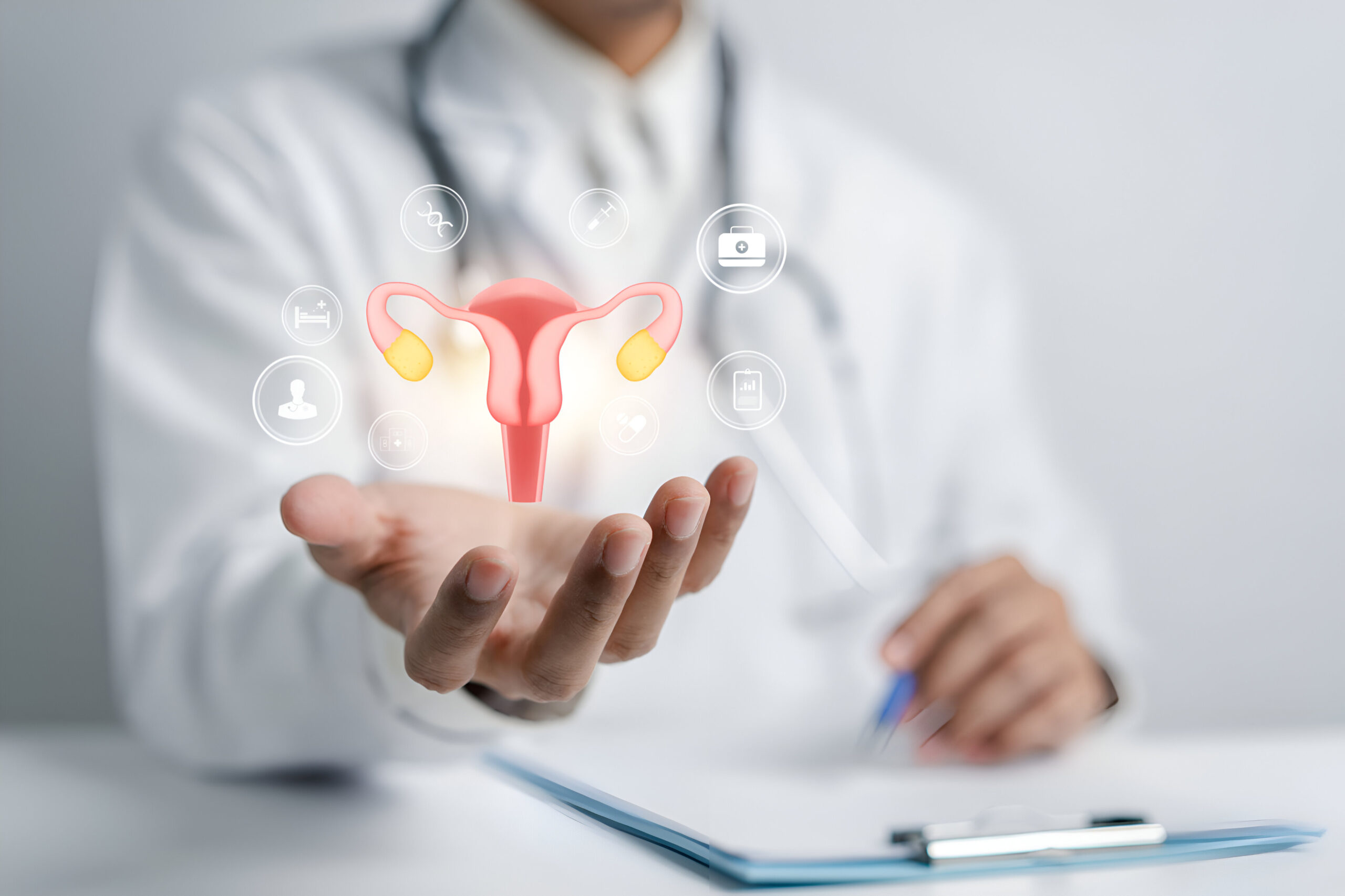
PCOS is a complex condition relating to reproductive hormones, ovulation and the activity of androgens. Dr. Rashmi Chandwani at CCube Homoeopathy looks at the full range of symptoms experienced by women who are suspected of having PCOS rather than supposing that a woman with a normal body weight cannot have a hormonal disorder; this individualised method is especially appropriate in the case of women who do suffer from menstrual or androgen-related symptoms even though they have a slim or average build.
Why Can PCOS Happen in Women Who Are Not Overweight?
PCOS is not merely a condition associated with weight. Some women with PCOS stay lean for their entire lives, while others do undergo changes in weight at some point. There can be a great deal of variation in the underlying hormonal pattern from person to person.
A thin woman can still have irregular or delayed periods, acne, excess facial or body hair, thinning of the scalp hair, or trouble with ovulation. At CCube Homoeopathy, Dr. Rashmi Chandwani stress the need to identify these symptoms rather than relying on body weight as the main sign of hormonal health.
-
Irregular or unpredictable periods
A very obvious symptom of PCOS is an irregular menstrual cycle, the periods possibly coming earlier or later than usual, the cycles possibly becoming abnormally long, or the number of periods per year possibly decreasing.
Menstrual symptoms, on the other hand, can vary a great deal. It is possible for some women with PCOS to have fairly regular cycles and yet to suffer from ovulatory dysfunction. Dr. Rashmi Chandwani at CCube Homoeopathy is able to evaluate the full menstrual history, covering the cycle length, how long the bleeding lasts, the pattern of bleeding and any related symptoms, rather than making judgments about hormonal health on the basis of weight only.
-
Acne and oily skin
Persistent acne in adults can on some occasions be linked to higher androgen activity and women with PCOS may get acne especially around the jawline, the chin and the lower face, although acne patterns vary from person to person. A woman can therefore have a slim figure and at the same time suffer from persistent hormonal acne. Acne, excessive hair growth and scalp hair loss are all examples of clinical hyperandrogenism in PCOS. When preparing a personalised homoeopathic prescription, Dr. Rashmi Chandwani at CCube Homoeopathy takes into account the skin symptoms as well as the menstrual and constitutional features.
-
The presence of excessive facial or body hair
The presence of unwanted facial or body hair, especially coarse and dark terminal hair on parts of the body such as the chin, upper lip, chest, or abdomen, may be a sign of an excess of androgens. One should not ignore this symptom just because the woman is thin. Dr. Rashmi Chandwani at CCube Homoeopathy looks at the type, location and development of excess hair together with the woman’s history of menstruation and hormones.
-
Thinning of the hair or hair loss
A further possible effect of increased androgen activity is thinning of the scalp hair. Women in some cases may observe that their hair parting has become wider, that the density of their hair has decreased, or that they are losing hair more than usual. loss may have a number of different causes, so it shouldn’t simply be labelled as PCOS. When at CCube Homoeopathy Dr. Rashmi Chandwani chooses an individualised homoeopathic medicine, she takes into account the full pattern of symptoms.
-
Difficulty With Ovulation
Ovulation is important for reproductive health; a woman may have periods that seem to be regular yet still from time to time suffer from ovulatory dysfunction. This is one of the reasons why normal menstrual cycles alone are not enough to completely exclude the possibility of PCOS.
At CCube Homoeopathy the patient’s menstrual history, their reproductive concerns and any associated hormonal symptoms are all taken into account, and Dr. Rashmi Chandwani concentrates on the individual case rather than prescribing the same treatment for every woman who has been diagnosed with PCOS.
-
Hormonal symptoms even in the absence of considerable weight gain
A number of women have several symptoms associated with PCOS without gaining considerable weight; these can be acne, hirsutism, thinning of the scalp hair, irregular cycles and problems relating to reproduction. That is the reason why the statement “I am thin, so I cannot have PCOS” is misleading. Since PCOS is a heterogeneous condition exhibiting various clinical presentations, the up-to-date guidelines also point out the diverse burden and different phenotypes linked with PCOS. Dr. Rashmi Chandwani at CCube Homoeopathy thinks that each woman’s symptom pattern should receive individual attention no matter if she is overweight, of average weight or thin.
Homoeopathic Treatment Approach at CCube Homoeopathy
At CCube Homoeopathy, individualised homoeopathic treatment is provided to women who have PCOS-related symptoms. Instead of choosing a remedy just because a woman has been diagnosed with PCOS, Dr. Rashmi Chandwani looks at the full range of the patient’s symptoms, such as those relating to the menstrual cycle, acne, hair growth, hair loss, emotional symptoms, sleep, appetite, thermal preferences, cravings, general constitution and other individual characteristics.
At CCube Homoeopathy the aim is to choose a homoeopathic medicine which is suitable on the basis of the individual’s full range of symptoms; furthermore, follow-up enables Dr. Rashmi Chandwani to note any changes in the menstrual pattern and in other symptoms and to adjust the prescription when it is clinically appropriate.
Frequently Asked Questions
Can a woman who is not overweight have PCOS?
Yes. PCOS is not limited to women who are overweight. Women with a normal or lower body weight can also experience PCOS-related hormonal and reproductive symptoms. This is sometimes described as lean PCOS. Body weight alone cannot confirm or rule out PCOS.
What are the symptoms of PCOS in women who are not overweight?
Symptoms can include irregular or infrequent periods, difficulty with ovulation, acne, increased facial or body hair, scalp hair thinning, and difficulty conceiving. Some women may have only a few symptoms, so PCOS can sometimes remain unnoticed.
Can someone with regular periods still have PCOS?
Yes. Regular menstrual cycles do not automatically exclude PCOS. Some women may have other features of androgen excess or polycystic ovarian morphology.
Does being slim mean that PCOS is less serious?
Not necessarily. Women with PCOS who are not overweight can still have hormonal, reproductive and metabolic concerns.
What signs of hormonal imbalance should a woman watch for?
Persistent acne, unwanted facial hair, scalp hair thinning, changes in menstrual cycles, difficulty with ovulation and unexplained fertility difficulties may warrant a hormonal evaluation.
Can PCOS occur without weight gain?
Yes. Weight gain is not a requirement for PCOS. A woman can have PCOS even when her BMI is within the normal range and she does not have visible weight-related symptoms.
How does a homeopathic doctor approach PCOS in a woman with normal weight?
A homeopathic consultation may consider the individual’s menstrual pattern, hormonal symptoms, skin and hair changes, emotional wellbeing, sleep, general health and other constitutional characteristics. At CCube Homoeopathy, Dr. Rashmi Chandwani and the clinical team can provide an individualised homeopathic consultation while encouraging appropriate evaluation of persistent symptoms.
Does every woman with PCOS need to lose weight?
No. PCOS management should not be reduced to weight loss. Women with normal weight should also receive appropriate assessment and personalised care.
Is PCOS the same for every woman?
No. PCOS is a heterogeneous condition, meaning its symptoms and severity can vary considerably between individuals. One woman may primarily experience menstrual irregularity, while another may experience acne, excess hair growth
CCube Homoeopathy – The Benchmark
CCube Homoeopathy aims to set a standard in the field of individualised homoeopathic treatment, especially for women who believe that their hormonal issues have been reduced to a single figure on the weighing scale, and this is done under the supervision of Dr. Rashmi Chandwani, who stresses the importance of understanding the patient as an individual rather than focusing merely on the diagnostic label.
For a woman who is not overweight but who has irregular periods, acne, unwanted facial hair, hair thinning or worries regarding ovulation, the point is clear: her body weight doesn’t give the whole picture. When you visit CCube Homoeopathy, the consultation is concerned with understanding the full range of her symptoms and then choosing an individualised homoeopathic method as a result.
At what stage should a woman get an evaluation?
A woman ought to have consultation, if her periods become continuously irregular, if she develops new facial hair or if that facial hair gets worse, if she has severe acne in adulthood, if she experiences unexplained thinning of the hair on her scalp, or if she has any concerns about ovulation. Dr. Rashmi Chandwani at CCube Homoeopathy evaluates the pattern of symptoms and decides a personalised homoeopathic treatment plan.
Final Thoughts
PCOS is not characterised by a single set of symptoms and it is possible for a woman to have PCOS-related hormonal symptoms even if she is not overweight; a woman who is slim or of normal weight can suffer from irregular periods, ovulatory dysfunction, acne, unwanted facial hair or thinning of the scalp hair, and these symptoms should be taken seriously rather than ignored. The key point is that body weight on its own is not sufficient to confirm or rule out a diagnosis of PCOS. The currently accepted, evidence-based diagnostic criteria for the condition take into account a number of its features and emphasise the need to exclude other possible causes before reaching a diagnosis.
At CCube Homoeopathy the focus is on going beyond looking at the scale and on understanding the individual woman—taking into account the pattern of her periods, the nature of her skin and hair symptoms, her constitutional characteristics and how her symptoms have developed over time. Under the care of Dr Rashmi Chandwani the homoeopathic method is individualised rather than relying simply on the label ‘PCOS’.
CCube Homoeopathy shows a commitment to providing personalised homoeopathic care and to a careful understanding of each patient’s particular case. If you are slim or of normal weight and have been wondering whether your symptoms could still be linked to PCOS, do not dismiss your concerns just because you don’t match the typical image; your symptoms are worth investigating, your hormonal health needs to be given attention and an individualised approach can start with carefully listening to the full story of your health.