
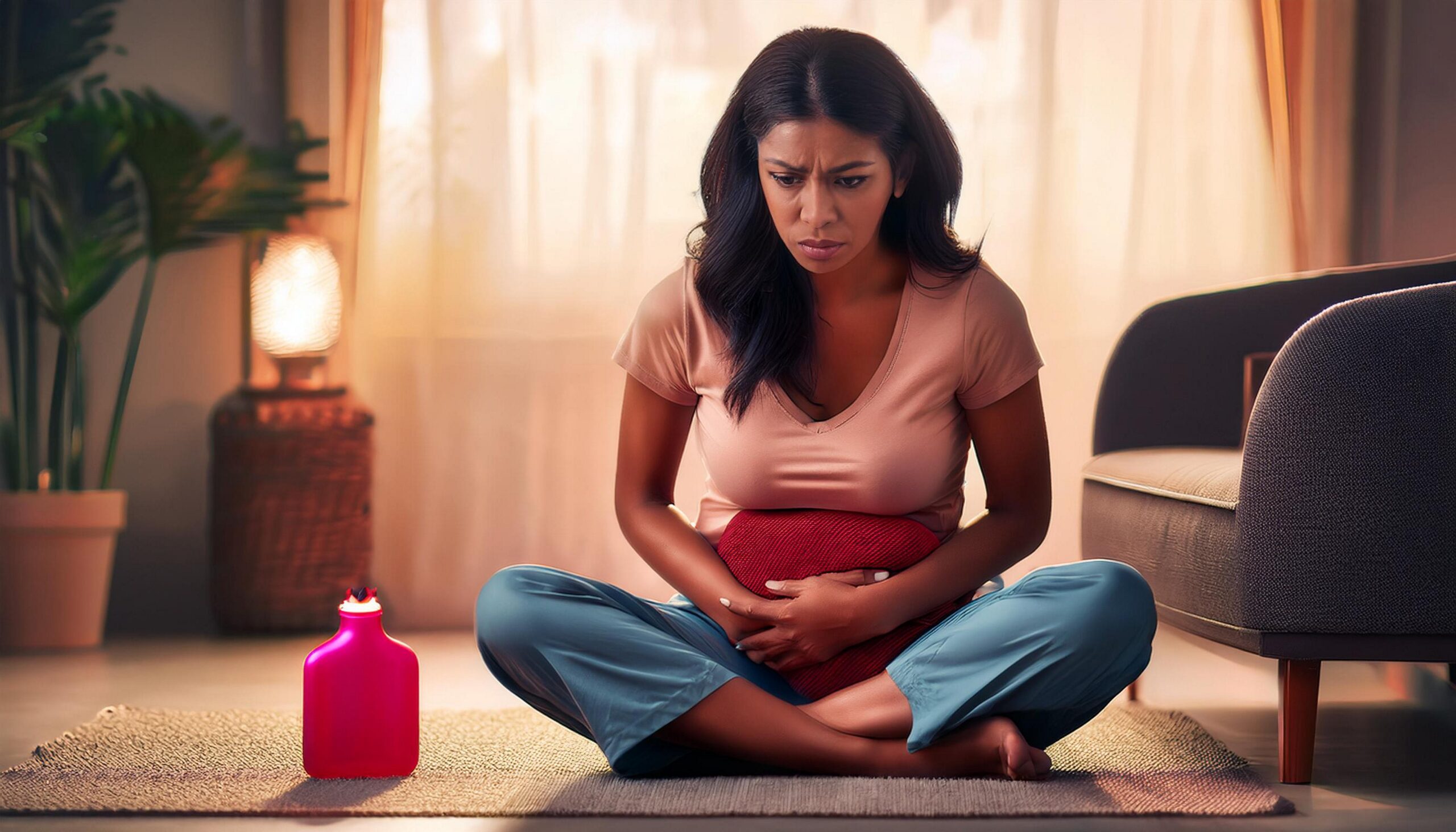
UTIs are a very common problem for women. The classic symptoms are a burning on urination, a frequent need to go to the loo and discomfort in the lower abdomen. It can be a real pain when you’ve got one and it comes back again after you’ve been treated.
Why do UTIs keep coming back in women?
Recurrent UTIs can be due to re-infection with bacteria, sexual activity, hormonal changes and a number of other underlying conditions. Knowing the cause is the first step to being able to take steps to prevent them and to get the right medical treatment. By using personalized homoeopathic method at Ccube homoeopathy, Dr. Rashmi Chandwani concentrates on considering a patient as a whole and offer personalized holistic care based on individual symptoms and general constitution.
What is a recurrent UTI?
A urinary tract infection is one in which bacteria get into the urinary system and multiply (most commonly in the bladder). It’s generally considered to be a recurrent UTI if a woman has two or more infections in the six- month period or three or more in the one- year period.
Infections can recur for a number of reasons. They may be due to the first infection not having cleared completely or they may be due to a new infection developing. It’s important to work out the cause in order to select the appropriate treatment and prevention approach. Dr Rashmi Chandwani at Ccube homoeopathy believes that every patient with recurrent urinary complaints may have a different symptom pattern and contributing factors. Her individualized homoeopathic approach considers the nature of the urinary symptoms, general health, lifestyle and previous history while planning individualized care.
What is the main cause of UTIs in females?
If you’re wondering what the main cause of UTIs in females is then the most common cause is bacteria getting into the urethra and making it’s way into the bladder.
Women are more prone to UTIs as their urethra is shorter than that of a man and so bacteria can more easily get to the bladder. The vast majority of uncomplicated UTIs are caused by bacteria from the bowel (most commonly E. coli).
Other factors are sexual activity, the hormonal changes of menopause, incomplete emptying of the bladder and a history of previous UTIs. By using personalized homoeopathic method at Ccube homoeopathy, Dr. Rashmi Chandwani, carefully evaluates each patients symptoms and health history to develop a personalised homoeopathic treatment plan alongside appropriate medical evaluation when required.
What causes women to get repeated UTIs?
Several factors can increase the risk of recurrent UTIs.
-
Sexual Activity
Sexual intercourse can actually move the bacteria towards the urethra and so increase the risk of infection. Any woman who is getting UTIs after sex should talk to her doctor about preventative measures.
-
Hormonal Changes
During perimenopause and menopause the fall in oestrogen can alter the vaginal environment and reduce the protective bacteria. This can in turn lead to an increased susceptibility to recurrent UTIs.
-
Incomplete Bladder Emptying
If urine is left in the bladder bacteria have a greater opportunity to multiply. Urinary retention, bladder dysfunction and various pelvic conditions can all be a contributory factor to recurrent infections.
-
Underlying Medical Conditions
Diabetes, kidney stones, urinary tract anomalies and a weakened immunity can all increase the risk of recurrent infection in some women.
These factors go some way to explaining why women are prone to recurrent UTIs and why the best strategy for prevention may be different for each individual.
UTI symptoms should not be ignored particularly when they are severe, recurrent or accompanied by fever, back pain, vomiting, pregnancy or blood in the urine. Dr Rashmi Chandwani, at Ccube homoeopathy, emphasizes timely evaluation while providing personalised homoeopathic care based on the individual patient’s needs.
What causes 80% of UTIs?
The question ‘what causes 80% of UTIs?’ is one that is frequently asked by women who are suffering from recurrent infections.
- coli is responsible for about 80% of acute, uncomplicated community acquired UTIs (the exact figure will vary from population to population and setting to setting). They are normally commensals in the gut and can enter the urinary tract to cause infection.
A woman’s anatomy actually makes this a lot easier as her urethra is fairly short and situated right next to the anal area.
It’s vital to appreciate that E. coli doesn’t cause every UTI. Other organisms can be the causative agent which is one of the reasons why a urine culture may be advised in the case of recurrent infections.
How to Stop UTI Permanently
So many women are out there looking for a way to stop the UTIs completely as the recurring nature of the symptoms can really interfere with your everyday life. Some of the lifestyle preventive measures are as follows :
-
Drink Enough Water
Adequate fluid intake will of course promote regular urination and may help to reduce the incidence of recurrent UTIs (particularly in women who tend to drink insufficient amounts of water). As always, if you have a medical condition that requires you to restrict fluid intake you should follow your doctor’s advice.
-
Avoid Holding Urine
Respond to the urge to urinate rather than regularly postponing your trips to the loo. Take your time and empty your bladder properly.
-
Review your contraceptive method
Spermicides and the diaphragm are linked with an increased risk of UTIs in some women. If you’re prone to getting them then it’s worth discussing other contraceptive options with your doctor.
-
Keep Gentle Intimate Hygiene
Clean the external genital area gently and avoid vaginal douching or the use of any scented intimate products (these can be irritants). Wiping from front to back is a common recommendation, though the evidence that this one practice alone prevents recurrent UTIs is very limited.
-
Consider Menopause-Related Treatment
For appropriate women with recurrent UTIs post menopause a doctor may recommend vaginal estrogens to help restore the vaginal environment and reduce the risk of infection.
-
Follow the correct treatment plan
Take the prescribed antibiotics exactly as directed. Don’t self-medicate with any leftover antibiotics as incorrect treatment can lead to antibiotic resistance.
If the symptoms persist or recur then a urine culture can be performed to identify the offending bacterium and help to guide treatment.
-
Ask about preventive medication
By using personalized homoeopathic method at Ccube homoeopathy, Dr. Rashmi Chandwani concentrates on considering a patient as a whole and offer personalized holistic care based on individual symptoms and general constitution.
Symptoms of a UTI Women Should Not Ignore
Common UTI symptoms include:
- Burning or pain on urination.
- You may need to pee often or feel a sudden need to go.
- Cloudy urine or blood in the urine.
- Pressure or discomfort in the lower abdomen.
- Passing small quantities of urine quite frequently.
If you develop a fever, chills, back or side pain, vomiting or are otherwise unwell then you need to get urgent medical attention as this could be a kidney infection. Any pregnant woman with a UTI should get in touch with her doctor. By using personalized homoeopathic method at Ccube homoeopathy, Dr. Rashmi Chandwani listens and understand each and every minute details of the patient. This helps in individualizing and selection of most appropriate homeopathy remedy.
When should you see a doctor?
If you have two UTIs in the space of six months or three in a year then you should arrange a medical appointment. Your doctor will likely want to do a urine test and culture to confirm the diagnosis and to establish what’s the best treatment.
Further assessment may be required if the infection persists despite treatment, you have difficulty in emptying your bladder or if an underlying medical condition is suspected. At Ccube homoeopathy, Dr. Rashmi Chandwani, follows a patient centered and individualized approach to homoeopathic care.
Why is early homoeopathic consultation valuable for females with UTI ?
Early consultation is valuable for females with the urinary tract infections because prompt diagnosis and treatment can relieve symptoms sooner, prevent the infection from spreading to the kidneys and reduce the risk of recurrent or complicated infection. Women are more prone to UTIs because of their anatomy, so symptoms such as burning urination, frequent or urgent urination, lower abdominal discomfort or blood in urine should not be ignored. Early medical evaluation also helps distinguish a UTI from other conditions with similar symptoms and allows appropriate treatment based on the individual case. At Ccube homoeopathy, Dr. Rashmi Chandwani focuses on personalised homoeopathic consultation, carefully considering each patients individual symptoms, medical history, lifestyle and overall health to provide a holistic and individualized approach to care.
Ccube homoeopathy: the pioneer in individualized care
Ccube homoeopathy, headed by Dr. Rashmi Chandwani, follows a patient centered and individualized approach to homoeopathic care. In case of urinary tract infection [UTI] attention is given not only to common symptoms such as burning or pain during urination, frequent urge to pass urine etc, but also to patient overall health, associated symptoms and individual symptoms pattern. Through detailed case taking, careful assessment and regular follow up, the aim is to provide personalized homeopathic care suited to each patient. Patients with recurrent urinary complaints are also assessed for possible contributing factors and are advised appropriate investigations with an emphasis on individualized care and overall wellbeing. Ccube homoeopathy provides a comprehensive consultation for patients seeking homoeopathic support for urinary complaints.
Final thoughts
Urinary tract infections can be uncomfortable and disruptive , but timely attention and appropriate care can help prevent complications. Symptoms such as persistent burning, frequent or urgent urination, lower abdominal discomfort, fever, back or flank pain, or recurrent episodes should prompt professional medical evaluation. At Ccube homoeopathy, Dr. Rashmi Chandwani, follows an individual approach that consider the patients urinary symptoms along with their general heath, associated complaints and overall constitution. Detailed case taking and regular follow up help ensure that each case is assessed individually rather than treating every episode of urinary discomfort the same way. Early evaluation, adequate hydration and appropriate medical care are particularly important in recurrent or persistent cases.