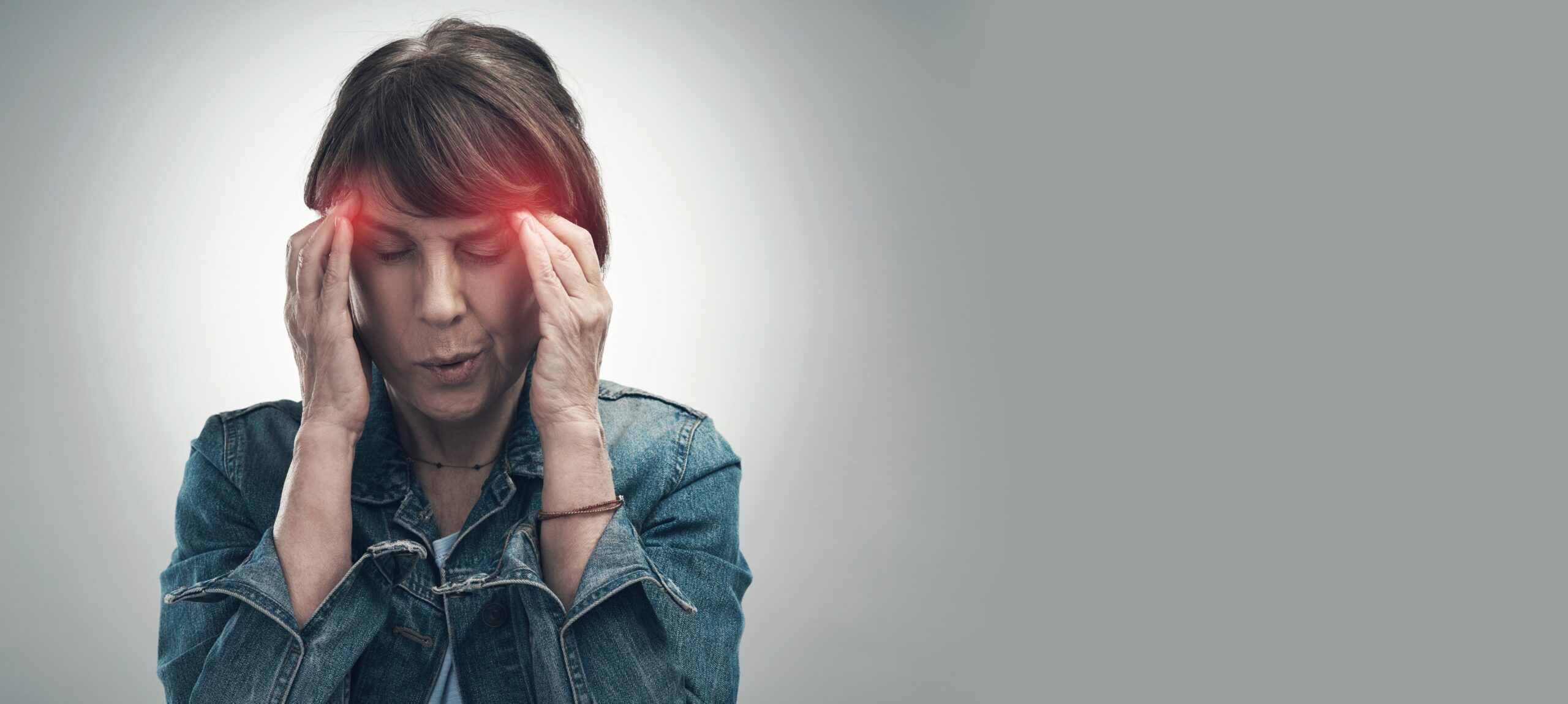
Migraine is more than just a headache. It’s a neurological condition which can have a significant impact on your day-to-day life, your concentration, your sleep and your general quality of life. Some people will have some sort of warning sign prior to the onset of a migraine (visual disturbance etc) whereas others will simply go into a migraine with headache without any of those warning signs. Understanding the difference between migraine with aura and migraine without aura (in terms of symptoms and the key differences) can be very useful in terms of recognizing your own symptoms and getting the right care.
Homoeopathy is something that people will often look at as a way of getting a more individualized approach to their ongoing health issues. At Ccube homoeopathy, Dr. Rashmi Chandwani focuses on considering the patient as a whole rather than concentrating only on the headache. Every migraine patient may experience a different pattern of symptoms, triggers and associated complaints.
Clinical Features of Migraine
Migraine is a primary headache disorder characterized by recurrent attacks of headache, often associated with nausea, vomiting, and sensitivity to light and sound.
-
Headache characteristics
- Site: Usually unilateral, but may be bilateral.
- Character: Pulsating or throbbing.
- Severity: Moderate to severe.
- Duration: 4–72 hours in adults if untreated or unsuccessfully treated.
- Aggravating factors: Routine physical activity, such as walking or climbing stairs.
- Associated symptoms: May interfere with daily activities.
-
Associated symptoms
- Nausea and/or vomiting
- Photophobia: Sensitivity to light.
- Phonophobia: Sensitivity to sound.
- Osmophobia: Sensitivity to smells may also occur.
- Fatigue, difficulty concentrating, and dizziness may accompany an attack.
-
Phases of migraine
- Prodrome (hours to 1–2 days before)
- Mood changes or irritability
- Frequent yawning
- Food cravings
- Fatigue and neck stiffness
- Aura (in some patients)
- Flashing lights or zigzag lines
- Scintillating scotoma (an area of visual disturbance)
- Tingling or numbness
- Speech or language disturbance
Aura symptoms are usually reversible and typically develop gradually.
- Headache phase
- Moderate to severe throbbing headache
- Often unilateral
- Nausea or vomiting
- Photophobia and phonophobia
- Worsening with physical activity
- Postdrome (after the headache)
- Tiredness or exhaustion
- Difficulty concentrating
- Mood changes
- Residual head discomfort
Not every patient experiences all four phases. Aura occurs only in a subset of people with migraine.
-
Common triggers
- Stress or relaxation after stress
- Lack of sleep or changes in sleep pattern
- Fasting or skipping meals
- Dehydration
- Menstruation and hormonal fluctuations
- Bright lights, strong smells, or loud sounds
- Certain foods or alcohol in susceptible individuals
-
Clinical diagnostic criteria for migraine without aura
According to the International Classification of Headache Disorders (ICHD-3), the typical criteria include:
- At least 5 attacks fulfilling the diagnostic criteria.
- Headache lasting 4–72 hours.
- At least 2 of the following:
- Unilateral location
- Pulsating quality
- Moderate or severe intensity
- Aggravation by, or avoidance of, routine physical activity
- At least 1 of the following:
- Nausea and/or vomiting
- Both photophobia and phonophobia
- Not better explained by another diagnosis.
- Important examination findings
- Neurological examination is usually normal between attacks.
- Scalp tenderness or neck discomfort may occur.
- Some patients prefer to lie in a quiet, dark room during an attack.
Red flags: Sudden, maximal-intensity headache; new weakness or persistent neurological deficits; fever with neck stiffness; or a new, progressively worsening headache requires urgent medical assessment.
Migraine can vary considerably from person to person. Dr Rashmi Chandwani, at Ccube homoeopathy considers factors such as location and the nature of the headache, frequency of attacks, nausea, sensitivity to light, sleep patterns, stress and other individual triggers while assessing the case.
What is migraine with aura vs migraine without aura?
Migraine is a neurological condition involving recurrent attacks of headache and associated symptoms (nausea, light and sound sensitivity). The key difference between the two main types is the presence or absence of aura.
Migraine with aura is migraine that is accompanied by transient neurological symptoms which usually occur either before or during the headache. These symptoms may be visual, sensory or speech related.
Migraine without aura occurs without these specific neurological ‘aura’ symptoms. It is the more common form of migraine and can of course still be a very painful and disabling condition.
Both can obviously interfere with work, studies, sleep and all the normal day to day activities. The degree of interference will of course be different in different people.
What is the key difference between migraine with aura and migraine without aura?
The key difference is whether the individual has reversible neurological symptoms during the migraine episode.
| Feature | Migraine with aura | Migraine without aura |
| Aura symptoms | Present | Absent |
| Visual disturbances | Common | Not typical as a neurological aura |
| Tingling or numbness | May occur | Not typical as an aura |
| Speech difficulties | May occur temporarily | Not typical as an aura |
| Headache | May follow or overlap with aura | Main symptom of the attack |
| Nausea and light sensitivity | May occur | May occur |
Aura symptoms tend to develop slowly and usually last between 5 and 60 minutes. A headache may follow but in some cases the aura will occur without a headache at all.
In migraine without aura the headache may be moderate to severe, throbbing and worsened by ordinary physical activity.
Instead of following the same approach for every migraine patient, Dr Rashmi Chandwani at Ccube homoeopathy emphasis individualization. Regular follow up monitor changes in frequency, intensity and associated symptoms of migraine and allow the care plan to be reviewed accordingly.
What are the symptoms of migraine with aura?
Aura symptoms vary from person to person. Some typical examples are:
- Visual: flashing lights, zigzag lines, shimmering patterns, blind spots, patches of reduced vision.
- Sensory changes: tingling or pins and needles (sometimes radiating from the fingers up the arm or into the face).
- Speech or language difficulties: temporary difficulty in finding the right words or expressing oneself.
- Other associated symptoms: headache, nausea, vomiting and light/sound sensitivity.
These symptoms are generally transient and reversible. A first episode of aura, a sudden onset of neurological symptoms or symptoms which are different from those experienced in previous attacks should in no way be assumed to be migraine.
What are the signs of migraine without aura?
People will often ask “what are the signs of migraine without aura?” The condition can present in a number of ways:
- Moderate to severe headache (often on one side of the head)
- Pulsing or pounding pain.
- Pain which gets worse with normal physical activity.
- Nausea or vomiting.
- Increased sensitivity to light and sound.
- Difficulty concentrating and reduced capacity to carry out normal day to day activities.
Some people will also have neck ache, fatigue, food cravings, mood changes or frequent yawning prior to the headache starting. These are potentially part of the premonitory phase of the migraine and are not the same as aura.
A migraine attack in the adult can last from 4 to 72 hours if it’s not treated or if it’s not successfully treated. The symptoms and duration will of course vary so any recurrence of headaches should be evaluated by a suitably qualified medical professional.
The aim of Dr Rashmi Chandwani, at Ccube homoeopathy is to understand the complete health picture of the patient and provide personalized homeopathic care.
Is Migraine with Aura a mini stroke?
Migraine with aura is not a mini stroke (a transient ischaemic attack or TIA). They can however present in a very similar way and it’s important to be able to differentiate between the two.
Migraine aura tends to develop gradually with the symptoms spreading over a number of minutes. A TIA or stroke on the other hand can cause sudden onset of neurological deficits such as weakness, facial droop, loss of vision or difficulty in speech.
These patterns are not good enough to be used to diagnose the cause at home. If you have sudden weakness, sudden facial drooping, new onset speech difficulty, sudden vision loss or an unusually severe headache then you need to see a doctor urgently even if the symptoms go away.
People with migraine with aura may have an increased risk of ischaemic stroke compared to those without aura (although the absolute risk for most individuals is still very low). Smoking, hypertension and the use of oestrogen containing contraceptives are all factors which can influence risk.
Always discuss individual risk factors and contraceptive options with your doctor. At Ccube homoeopathy, personalised holistic care is based on the patient’s individual symptoms, general constitution, lifestyle and overall wellbeing. Detailed case taking helps develop a clearer understanding of factors that may influence recurrent migraine episodes.
What is the 5-4-3-2-1 rule for migraine?
The ‘5-4-3-2-1 rule for migraine’ can mean different things in different contexts and is not in any way a recognised medical rule for the diagnosis or management of migraine.
It is sometimes confused with the 5-4-3-2-1 grounding technique, a sensory exercise used to manage stress or anxiety:
- 5: Notice five things you can see.
- 4: Note four things you can feel.
- 3: Identify three things you can hear.
- 2: Name two things you can smell.
- 1: Name one thing you can taste.
This may help some people with stress (a migraine trigger) but it will not stop a migraine attack, it will not treat the aura and it will not in any way replace your prescribed medication. If you’re in the midst of an attack then just rest in a quiet dark room if you can and stick to your clinician’s treatment plan. At Ccube homoeopathy, Dr Rashmi Chandwani emphasis individualization. Regular follow up monitor changes in frequency, intensity and associated symptoms of migraine and allow the care plan to be reviewed accordingly.
How can homoeopathy help people with migraine?
Homoeopathy is all about individualised remedy selection. It includes your recurrent headache patterns, any potential triggers, your sleep, your stress levels and your daily routine.
A responsible, patient-centered approach may include:
- Keep a headache diary to look for patterns and possible triggers.
- Maintain regular sleep, meals, hydration and exercise.
At Ccube homoeopathy, personalised holistic care is based on the patient’s individual symptoms, general constitution, lifestyle and overall wellbeing. Detailed case taking helps develop a clearer understanding of factors that may influence recurrent migraine episodes
Ccube homoeopathy : The pioneer in individualized homoeopathic care
Ccube homoeopathy headed by Dr. Rashmi Chandwani, follows a patient centered approach to migraine care, where attention is given not only to headache but also to the patient individual symptoms, triggers and overall constitution. In a person suffering from migraine, the emphasis is placed on understanding factors such as the location and the character of pain, frequency and duration of attacks, sensitivity to light or sound, nausea, sleep patterns, stress, dietary triggers, and other associated symptoms. The aim of Ccube homoeopathy is to provide personalised homoeopathic care through detailed case taking, careful assessment and regular follow up. Dr Rashmi Chandwani works on an individualized approach in which every migraine case is evaluated according to its unique symptoms pattern and circumstances. Patient seeking homoeopathic support for recurrent migraine can receive a comprehensive consultation, personalised assessment and ongoing care focused on reducing the impact of migraine on their daily life and improving overall wellbeing.
Final thoughts
Migraine can be a distressing and disabling condition that may significantly affect a person’s daily routine, work and overall quality of life. Frequent or worsening headaches, severe throbbing pain, nausea or vomiting, sensitivity to light or sound, visual disturbances or headaches that interfere with everyday activities should prompt medical evaluation. With Dr Rashmi Chandwani, patients can consider an individualized homoeopathic approach that takes into an account the pattern of migraine attacks, possible triggers, associated symptoms, physical constitutions and emotional wellbeing. Detailed case taking and regular follow up help in understanding each patient’s migraine pattern and monitoring their progresses over time. Dr. Rashmi Chandwani emphasis assessing every migraine case individually rather than approaching all patients in the same way.