Constipation and piles (haemorrhoids) are two of the most common digestive health problems, and they often go hand in hand. Many people experience constipation for weeks, months, or even years without realizing that it can gradually lead to piles. Likewise, individuals suffering from piles often notice that constipation worsens their symptoms, creating a frustrating cycle of pain and discomfort. At Ccubehomoeopathy, Dr Rashmi Chandwani frequently educates patients about the strong connection between constipation and piles, emphasizing that treating the root cause is essential for long-term relief rather than simply managing symptoms.
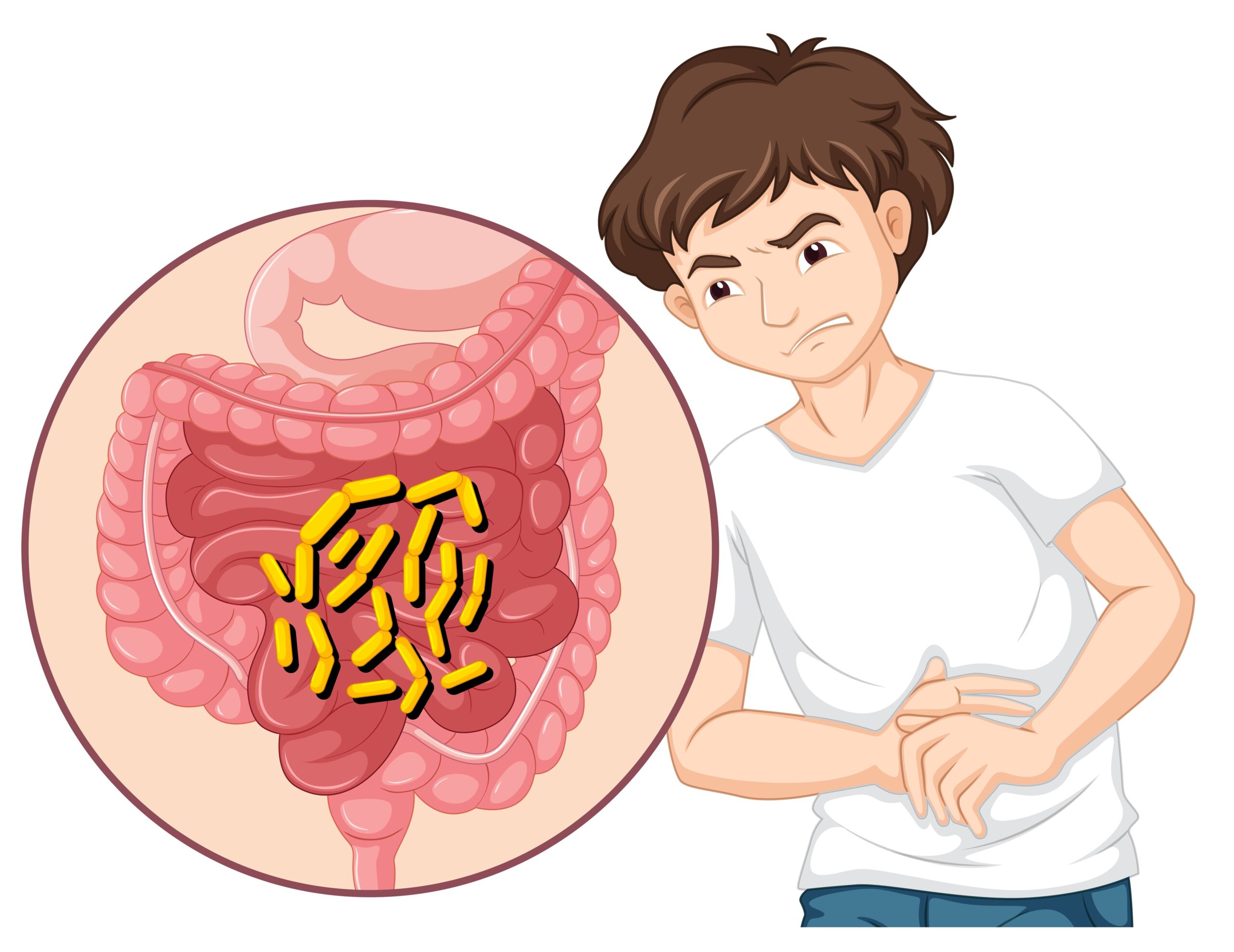
Constipation occurs when bowel movements become infrequent, difficult, or painful. Hard, dry stools require excessive straining during defecation, which increases pressure inside the rectal veins. Over time, these veins become swollen and enlarged, resulting in piles. According to Dr Rashmi Chandwani at Ccubehomoeopathy, chronic constipation is one of the leading causes of haemorrhoids in both young adults and older individuals. Addressing constipation early can significantly reduce the risk of developing piles and prevent existing haemorrhoids from worsening.
What Are Piles?
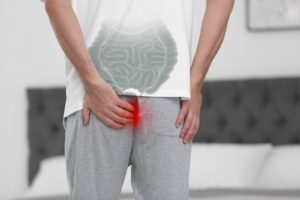
Piles, also known as haemorrhoids, are swollen blood vessels located in the lower rectum or around the anus. They may develop internally inside the rectum or externally around the anal opening. Patients visiting Ccubehomoeopathy often report symptoms such as pain, itching, burning, swelling, mucus discharge, or bleeding during bowel movements. Dr Rashmi Chandwani explains that piles are not simply a local problem—they are often the result of prolonged pressure on the rectal veins caused by chronic constipation, pregnancy, obesity, prolonged sitting, or repeated straining.
How Constipation Leads to Piles
Constipation affects the body in several ways that increase the likelihood of developing haemorrhoids. Hard stools stretch the anal canal, while repeated straining raises pressure in the rectal veins. This constant pressure weakens the supporting tissues around these veins, causing them to enlarge and bulge. Dr Rashmi Chandwani at Ccubehomoeopathy highlights that every episode of forceful straining contributes to vein damage, making piles progressively worse if constipation remains untreated.
Another important factor is prolonged sitting on the toilet. Many people spend several minutes scrolling through their phones while attempting to pass stool. This habit further increases pressure in the rectal veins and can aggravate existing haemorrhoids. At Ccubehomoeopathy, patients are advised to avoid unnecessary straining and prolonged toilet sitting as part of a comprehensive management plan recommended by Dr Rashmi Chandwani.
Can Piles Make Constipation Worse?
Yes. The relationship between constipation and piles works both ways. Painful haemorrhoids often make patients afraid to pass stool because of anticipated pain or bleeding. As a result, they suppress the urge to defecate, allowing stool to remain in the colon longer. More water is absorbed from the stool, making it harder and drier. Eventually, passing stool becomes even more difficult, worsening constipation and increasing strain. Dr Rashmi Chandwani at Ccubehomoeopathy frequently explains this vicious cycle to patients, encouraging early treatment before symptoms become severe.
Common Symptoms When Constipation and Piles Occur Together
When constipation and piles coexist, patients may experience:
- Hard or dry stools
- Pain during bowel movements
- Bright red bleeding after passing stool
- Itching or irritation around the anus
- Swelling or a lump near the anal opening
- A feeling of incomplete bowel evacuation
- Mucus discharge
- Frequent straining during defecation
At Ccubehomoeopathy, Dr Rashmi Chandwani carefully evaluates these symptoms through detailed case-taking to understand the patient’s overall health, digestive habits, and lifestyle before planning personalised homoeopathic care.
Risk Factors That Increase the Chances of Both Conditions
Several lifestyle and medical factors contribute to constipation and piles simultaneously. These include a low-fibre diet, inadequate water intake, sedentary lifestyle, obesity, pregnancy, ageing, prolonged sitting, certain medications, and ignoring the natural urge to pass stool. Dr Rashmi Chandwani advises patients at Ccubehomoeopathy that correcting these habits is just as important as receiving treatment because lasting recovery depends on addressing the underlying causes.
Preventing Constipation to Reduce the Risk of Piles
Preventing constipation is one of the best ways to avoid haemorrhoids. Eating a fibre-rich diet containing fruits, vegetables, whole grains, legumes, and seeds helps soften stools and promotes regular bowel movements. Drinking adequate water throughout the day keeps stools hydrated, while regular physical activity stimulates bowel function. Dr Rashmi Chandwani encourages patients visiting Ccubehomoeopathy to establish a regular bowel routine, avoid delaying bowel movements, minimise prolonged toilet sitting, and manage stress, as digestive health is closely linked to overall well-being.
Frequently Asked Questions
Can constipation cause piles?
Yes. Chronic constipation causes repeated straining and increased pressure on the rectal veins, which can lead to the development of piles.
Can piles go away if constipation is treated?
Treating constipation can reduce strain and prevent piles from worsening. Existing piles may improve, but some cases require additional medical treatment.
What foods help prevent constipation and piles?
High-fibre foods such as fruits, vegetables, whole grains, oats, legumes, and seeds, along with adequate water intake, can help.
Is bleeding during constipation always due to piles?
No. Bleeding can also occur due to anal fissures or other gastrointestinal conditions. Persistent or recurrent bleeding should always be evaluated by a healthcare professional.
Can homoeopathy help in constipation and piles?
Homoeopathy aims to individualise treatment based on the patient’s overall symptom picture and may be used alongside lifestyle changes under the guidance of a qualified homoeopathic physician.
When should I consult a doctor for constipation or piles?
Seek medical advice if symptoms persist for more than a few weeks, if you have severe pain, heavy bleeding, unexplained weight loss, or changes in bowel habits.
Homoeopathic Perspective
Homoeopathy focuses on treating the individual rather than merely suppressing symptoms. Instead of offering temporary relief alone, it aims to improve digestive function, regulate bowel habits, and reduce the tendency for recurrent piles by considering the patient’s complete symptom picture. At Ccubehomoeopathy, Dr Rashmi Chandwani performs detailed constitutional case-taking, evaluating physical symptoms, lifestyle, eating habits, stress levels, and individual susceptibility before selecting an appropriate homoeopathic medicine. Since every patient is unique, treatment is personalised, and self-medication is discouraged. Along with homoeopathic medicines, dietary guidance and lifestyle modifications play a crucial role in supporting recovery and reducing recurrences.
Ccubehomoeopathy – The Benchmark for Comprehensive Piles and Constipation Care
Ccubehomoeopathy has earned recognition as a trusted centre for the holistic management of piles, constipation, fissures, fistula, and other anorectal disorders. Under the expert guidance of Dr Rashmi Chandwani, who has decades of clinical experience, the clinic believes in treating the root cause rather than providing temporary symptom relief. Every patient undergoes an in-depth consultation where bowel habits, dietary patterns, stress levels, lifestyle, medical history, and constitutional characteristics are carefully assessed. This detailed approach enables Dr Rashmi Chandwani and the team at Ccubehomoeopathy to develop personalised treatment plans aimed at improving digestive health, promoting regular bowel movements, reducing the recurrence of constipation, and supporting the body’s natural healing process. Patient education remains a cornerstone of care, with guidance on hydration, fibre intake, exercise, toilet habits, and preventive strategies. Through compassionate care, evidence-informed homoeopathic principles, and a patient-centred philosophy, Ccubehomoeopathy continues to set a benchmark for comprehensive anorectal care and long-term digestive wellness.
Final Thoughts
Constipation and piles are closely connected, and ignoring one often leads to worsening of the other. Persistent constipation increases pressure on the rectal veins, while painful piles can make bowel movements more difficult, creating a cycle that affects daily comfort and quality of life. Early recognition, healthy lifestyle changes, adequate hydration, a fibre-rich diet, regular exercise, and timely medical attention can help break this cycle. At Ccubehomoeopathy, Dr Rashmi Chandwani believes that successful management begins with understanding each patient’s unique health profile rather than treating symptoms in isolation. With personalised homoeopathic care, careful evaluation, and long-term lifestyle guidance, many patients can work towards healthier bowel habits and improved overall well-being. If you experience persistent constipation, bleeding, pain, or swelling during bowel movements, consult a qualified healthcare professional promptly for an accurate diagnosis and appropriate treatment instead of relying solely on self-medication.