Plantar warts are common skin growths that develop on the soles of the feet, particularly around the heels, balls of the feet and areas that experience frequent pressure. They are associated with the human papillomavirus (HPV), which affects the outer layer of the skin. Although plantar warts are generally harmless, they can cause discomfort, tenderness and difficulty while walking, especially when they develop in weight-bearing areas. At CCube Homoeopathy, under the guidance of Dr Rashmi Chandwani, we believe that understanding the nature of plantar warts, recognising their symptoms and exploring individualised homoeopathic care are important steps towards better foot health. One common concern among patients is whether these warts can permanently damage their feet. Let’s understand the myths and facts surrounding this condition.
What Are Plantar Warts?
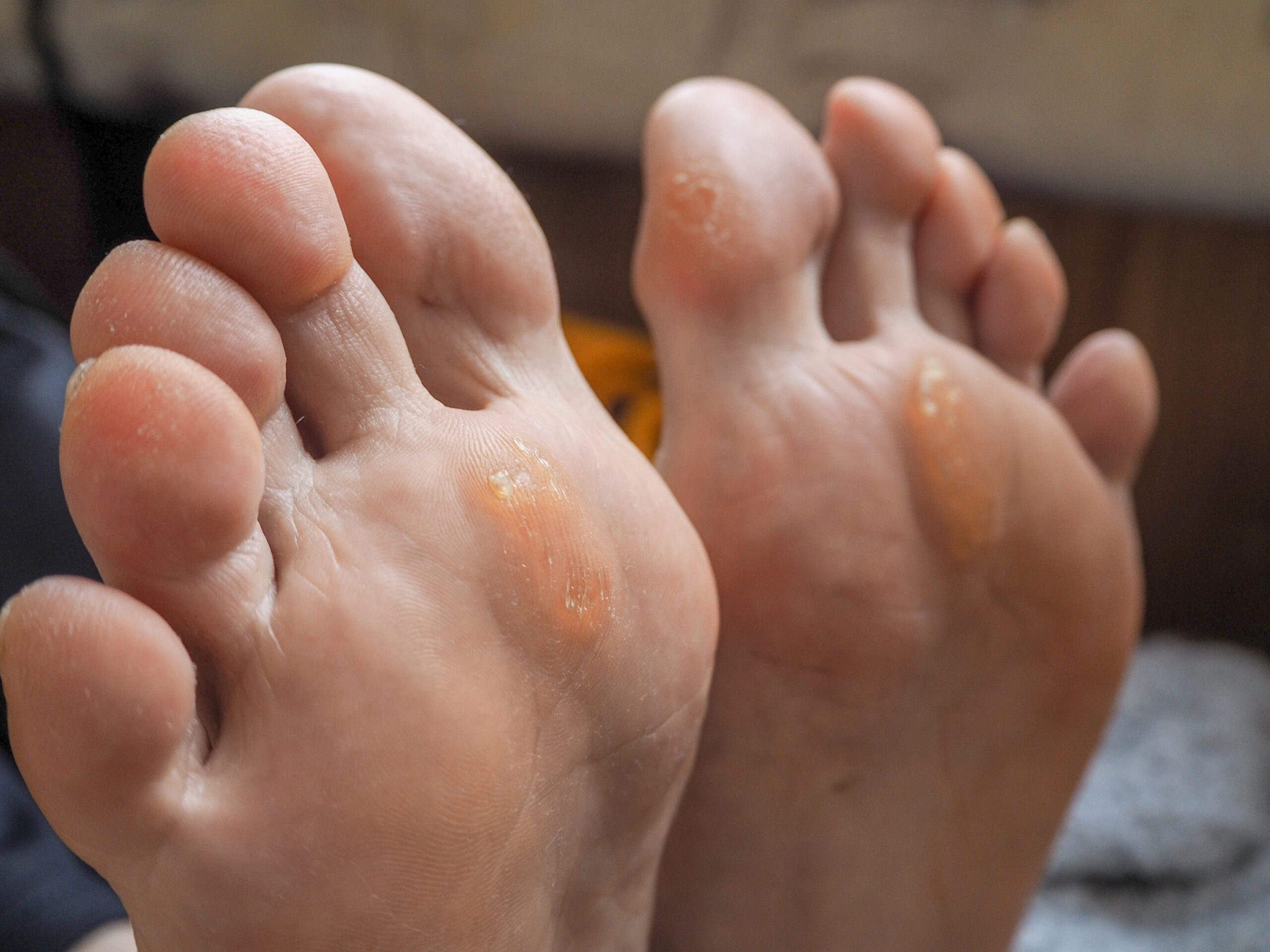
Plantar warts are small, rough-textured growths that appear on the plantar surface (the sole) of the feet. They develop when HPV enters the skin through tiny cuts, cracks or breaks. Unlike ordinary skin growths, plantar warts may grow inward because of the pressure exerted by body weight while standing or walking. They can appear as individual lesions or in clusters. Some may have tiny black or dark-red dots, which represent small blood vessels. According to Dr Rashmi Chandwani at CCube Homoeopathy, recognising the characteristic appearance and symptoms of plantar warts is important when understanding this condition and considering individualised homoeopathic management.
Can Plantar Warts Damage Your Feet?
Fact: Plantar warts generally do not cause permanent structural damage to the feet. However, their location and size can significantly influence a person’s comfort and mobility. Warts developing on pressure-bearing areas may cause pain while walking, standing or exercising. Some individuals unconsciously alter the way they distribute their body weight to avoid discomfort, which can affect their walking pattern. Multiple or extensive plantar warts may make everyday activities increasingly uncomfortable. At CCube Homoeopathy, Dr Rashmi Chandwani emphasises the importance of understanding the patient’s symptoms, duration of complaints and individual health history when approaching plantar wart cases through homoeopathy.
Common Myths vs Facts About Plantar Warts
Myth 1: Plantar warts are caused by poor hygiene.
Fact: Plantar warts are caused by HPV infection, not simply by poor personal hygiene. Anyone can develop them. Exposure to the virus through contaminated surfaces or direct contact with infected skin can contribute to their development. At CCube Homoeopathy, Dr Rashmi Chandwani encourages patients to understand the actual nature of the condition rather than associate it with personal cleanliness.
Myth 2: Plantar warts are always painless.
Fact: Plantar warts can be painful, particularly when they develop in areas exposed to repeated pressure. Patients may experience tenderness, a sensation of walking on a small stone or discomfort while standing for extended periods. The intensity of discomfort varies according to the location, number and size of the warts. CCube Homoeopathy considers the individual symptom presentation an important part of its homoeopathic approach.
Myth 3: Plantar warts can permanently destroy your feet.
Fact: Plantar warts are usually benign skin growths and do not typically destroy the underlying bones, joints or deeper structures of the feet. However, persistent lesions can cause considerable discomfort and interfere with normal activities. Dr Rashmi Chandwani at CCube Homoeopathy highlights the importance of understanding the condition early and paying attention to changes in symptoms.
Myth 4: Only children develop plantar warts.
Fact: Plantar warts can affect children, teenagers and adults. Although they are commonly seen in children and young individuals, adults can develop them too. Factors such as skin injuries, exposure to HPV and individual susceptibility may contribute to their occurrence. At CCube Homoeopathy, treatment considerations are individualised according to the patient’s age, symptoms and overall health history.
Myth 5: Plantar warts disappear immediately.
Fact: Plantar warts may persist for months or even years. Their duration varies from person to person. Some lesions may resolve spontaneously, while others can remain persistent or recur. Dr Rashmi Chandwani at CCube Homoeopathy focuses on understanding the chronicity of complaints and the patient’s overall symptom picture when considering homoeopathic care.
Myth 6: Plantar warts are the same as corns and calluses.
Fact: Although plantar warts, corns and calluses can appear similar, they are different conditions. Plantar warts are associated with HPV infection, whereas corns and calluses develop due to repeated friction and pressure. Their appearance and characteristic symptoms can help distinguish them. Correctly understanding these differences is important in approaching foot-related complaints.
Common Symptoms of Plantar Warts
The symptoms of plantar warts can vary depending on their location, number and size. Common features include:
- Small, rough growths on the soles of the feet.
- Thickened skin surrounding the affected area.
- Tiny black or reddish dots within the wart.
- Pain or tenderness while walking.
- Discomfort when standing for prolonged periods.
- Interrupted natural skin lines over the affected growth.
- Single lesions or multiple clustered warts.
At CCube Homoeopathy, Dr Rashmi Chandwani gives importance to understanding the complete symptom presentation rather than considering the visible skin growth alone.
When Should You Pay Attention to Plantar Warts?
Although plantar warts are generally benign, certain symptoms deserve attention. Increasing pain, bleeding, rapid changes in appearance, spreading lesions or difficulty walking should not be ignored. Individuals with diabetes, reduced sensation in their feet or poor circulation should be particularly careful about foot lesions. At CCube Homoeopathy, Dr Rashmi Chandwani believes that understanding changes in symptoms and maintaining awareness of foot health are essential aspects of responsible care.
Frequently Asked Questions About Plantar Warts
Can homoeopathy help in managing plantar warts?
Homoeopathy offers an individualised approach to wart-related complaints. At CCube Homoeopathy, Dr Rashmi Chandwani considers the patient’s symptoms, duration of the condition, physical characteristics and overall health before selecting an appropriate homoeopathic prescription.
Which homoeopathic medicines are traditionally considered for plantar warts?
Some traditionally used homoeopathic medicines include Thuja occidentalis, Causticum, Nitric acid, Antimonium Crudum and Dulcamara. The selection depends on the individual symptom presentation.
Are plantar warts painful?
Yes. Plantar warts can cause tenderness and discomfort, particularly when they develop on weight-bearing areas of the feet. At CCube Homoeopathy, Dr Rashmi Chandwani gives importance to understanding the nature and intensity of these individual symptoms.
Can plantar warts recur?
Plantar warts may recur, and some individuals experience repeated episodes. Understanding the history, recurrence pattern and individual symptoms is an important part of the homoeopathic case-taking approach at CCube Homoeopathy.
Can plantar warts spread to other areas of the feet?
Yes. HPV associated with plantar warts can spread to nearby areas, resulting in additional lesions. Maintaining foot hygiene and avoiding picking or scratching the warts are useful precautions.
Why choose CCube Homoeopathy for plantar wart-related concerns?
CCube Homoeopathy, under the guidance of Dr Rashmi Chandwani, emphasises individualised case-taking, detailed symptom evaluation and personalised homoeopathic prescriptions. With approximately 30 years of clinical experience, Dr Rashmi Chandwani brings a patient-centred approach to understanding individual health concerns and providing homoeopathic guidance.
Final Thoughts: Understanding Plantar Warts Beyond Their Appearance
Plantar warts may appear to be small and insignificant skin growths, but their impact on everyday life should never be underestimated. A lesion on the sole of the foot can become uncomfortable because of continuous pressure from walking, standing and routine physical activities. The myths surrounding plantar warts often create unnecessary anxiety, while a lack of awareness may lead people to overlook persistent symptoms. It is important to remember that plantar warts are generally benign and do not usually cause permanent structural damage to the feet. However, pain, recurrence, spreading and changes in appearance deserve appropriate attention. Homoeopathy offers an individualised system of care in which the patient’s physical symptoms, general health and constitutional characteristics are considered. A thoughtful approach should therefore prioritise accurate understanding, patient education and responsible care.
At CCube Homoeopathy, we believe that every patient deserves to be heard, understood and guided with attention to their individual health concerns. Under the guidance of Dr Rashmi Chandwani, the emphasis remains on understanding the person behind the complaint rather than simply focusing on the visible manifestation. Healthy feet are essential for comfortable movement, independence and quality of life, and even seemingly minor skin concerns deserve attention.
CCube Homoeopathy – The Benchmark in Individualised Homoeopathic Care
At CCube Homoeopathy, under the guidance of Dr Rashmi Chandwani, is committed to provide patient-centred homoeopathic care with an emphasis on individualisation, detailed case-taking and understanding the complete symptom picture. With approximately 30 years of experience in homoeopathic practice, Dr Rashmi Chandwani brings extensive clinical experience and a patient-focused approach to managing a wide range of health concerns. At CCube Homoeopathy, every patient is approached as an individual, recognising that two people presenting with similar complaints may have different symptoms, health histories and individual requirements.