
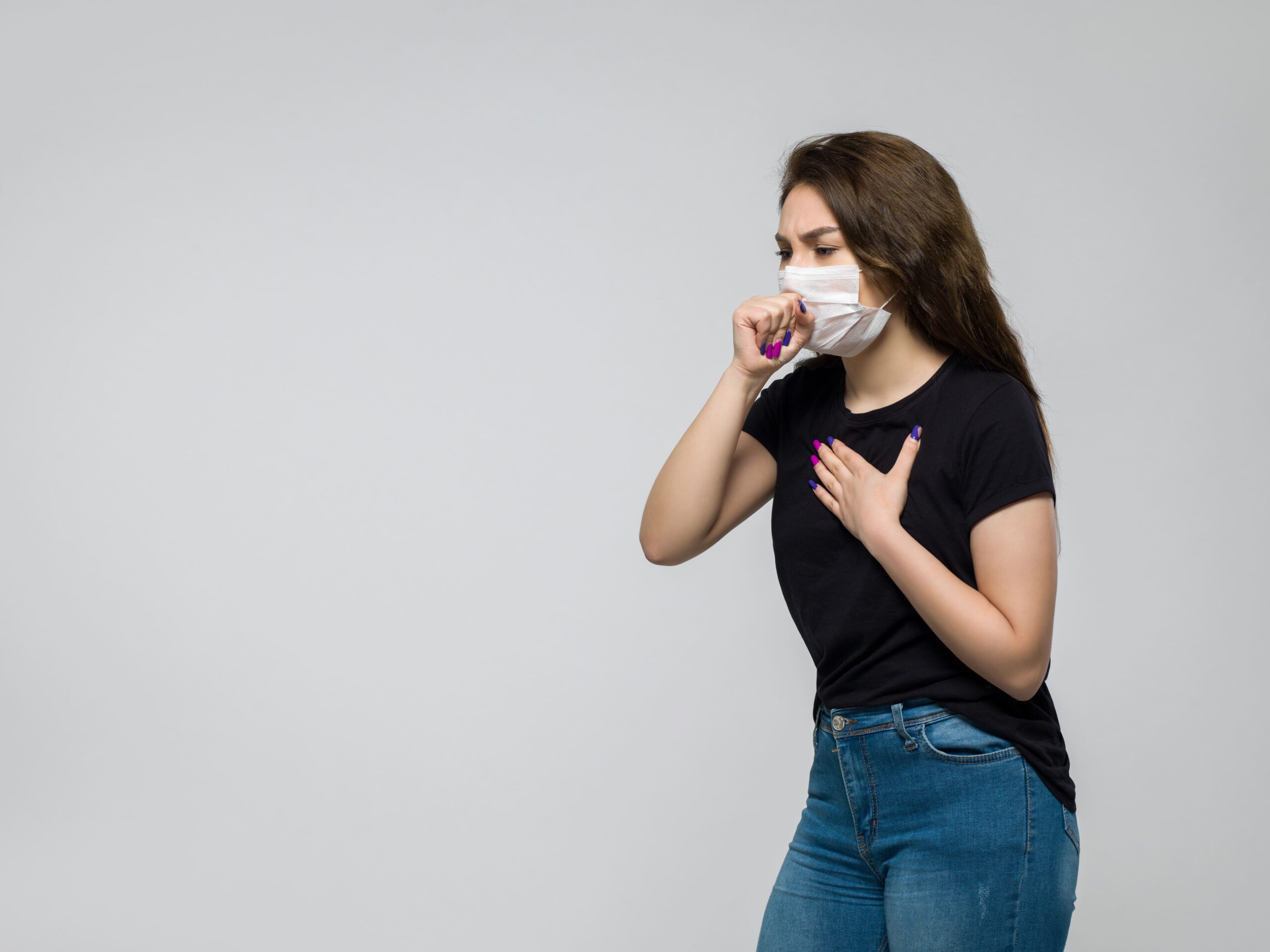
Asthma is a chronic respiratory condition that affects millions of people worldwide. At CCube Homoeopathy, Dr. Rashmi Chandwani often explains the close link between weather changes and asthma flare-ups. Recognizing these triggers can help reduce attacks, improve breathing, and enhance overall quality of life.
Why Does Weather Affect Asthma?
The airways of people with asthma are very sensitive. Sudden changes in temperature, humidity, air pressure, and airborne allergens can irritate the bronchial tubes, causing inflammation and narrowing. This leads to coughing, wheezing, chest tightness, and shortness of breath.
Dr. Rashmi Chandwani at CCube Homoeopathy states that while weather doesn’t cause asthma, it can be a strong trigger for those with the condition. Identifying personal triggers is crucial for long-term asthma management.
Weather Triggers That Can Worsen Asthma
1. Cold Air
Cold, dry air is one of the most common asthma triggers. When it enters the lungs, it can tighten the airways, making it hard to breathe. Many people experience more coughing and wheezing during winter mornings or when exercising outdoors.
2. Hot and Humid Weather
High humidity can also worsen asthma symptoms. Moist air makes it feel harder to breathe, and humidity leads to the growth of mold, dust mites, and fungi—all common asthma triggers.
Patients consulting Dr. Rashmi Chandwani at CCube Homoeopathy are often told to keep indoor humidity low and ensure good ventilation to limit allergen exposure.
3. Sudden Weather Changes
Quick shifts from hot to cold temperatures or sudden drops in atmospheric pressure can trigger asthma attacks in sensitive individuals. The body needs time to adjust to these changes, and sudden fluctuations can irritate already inflamed airways.
At CCube Homoeopathy, Dr. Rashmi Chandwani emphasizes the importance of maintaining preventive treatment during seasonal transitions instead of waiting for symptoms to appear.
4. Thunderstorms
Thunderstorm asthma is a recognized phenomenon. Strong winds and rainfall can break pollen into tiny particles that penetrate deeper into the lungs, triggering severe asthma attacks, especially during pollen seasons.
People with asthma and seasonal allergies should stay indoors during thunderstorms whenever possible.
5. High Pollen Levels
Spring and early summer bring more pollen from grasses, weeds, and trees. Windy days can spread pollen far, making outdoor exposure tough for allergy-prone individuals.
At CCube Homoeopathy, Dr. Rashmi Chandwani encourages patients to check pollen forecasts, keep windows shut during peak pollen times, and shower after coming home to wash away any pollen.
6. Air Pollution
Poor air quality is another major trigger. Vehicle emissions, industrial smoke, construction dust, wildfire smoke, and fine particles can all worsen asthma symptoms.
Patients receiving care from Dr. Rashmi Chandwani at CCube Homoeopathy are encouraged to limit outdoor activities on days with poor air quality and to follow their asthma management plan.
Other Asthma Triggers to Watch
In addition to weather, several everyday factors can contribute to asthma flare-ups:
- Dust mites
- Pet dander
- Mold spores
- Cigarette smoke
- Strong perfumes and chemical fumes
- Respiratory infections
- Exercise
- Emotional stress
- Certain medications such as NSAIDs in sensitive individuals
Recognizing these triggers is vital for long-term asthma control. Dr. Rashmi Chandwani believes that understanding one’s individual pattern of triggers leads to a more personalized management strategy at CCube Homoeopathy.
Can Homoeopathy Help in Asthma?
Homoeopathy focuses on treating the individual rather than just masking symptoms. The aim is to understand the patient’s overall health, allergy tendencies, constitutional makeup, and recurring triggers before selecting a remedy.
At CCube Homoeopathy, Dr. Rashmi Chandwani conducts thorough case-taking to grasp the patient’s physical symptoms, emotional state, family history, environmental sensitivities, and factors that worsen or relieve asthma. This tailored approach reduces the intensity and frequency of asthma attacks gradually giving long term relief.
Tips to Prevent Weather-Related Asthma Attacks
Simple preventive measures can greatly reduce asthma flare-ups:
- Check daily weather and air quality forecasts.
- Avoid outdoor activities during extreme temperatures.
- Wear a scarf over the nose and mouth in cold weather.
- Stay hydrated.
- Keep indoor humidity between 30 and 50 percent.
- Reduce dust and mold inside the home.
- Follow your asthma treatment regularly.
- Identify and avoid personal allergy triggers.
- Schedule regular medical check-ups.
At CCube Homoeopathy, Dr. Rashmi Chandwani supports patients in developing personalized prevention strategies based on their triggers and health profiles.
Frequently Asked Questions
Can weather changes trigger asthma attacks?
Yes. Weather changes are one of the most common triggers for asthma. Cold air, high humidity, thunderstorms, strong winds, and sudden temperature fluctuations can irritate the airways, leading to coughing, wheezing, chest tightness, and breathlessness. Along with avoiding triggers and following prescribed homeopathic treatment patient can get long term relief.
Why does cold weather make asthma worse?
Cold and dry air can cause the airways to narrow, making breathing more difficult for people with asthma. Winter also brings an increased risk of respiratory infections that may worsen symptoms. In homoeopathy, treatment is selected according to the individual’s complete symptom picture, including factors such as worsening from cold air, time of attacks, associated allergies, and overall constitution.
Can hot and humid weather trigger asthma?
Yes. Hot and humid weather can increase exposure to mould, dust mites, pollen, and air pollution, all of which can aggravate asthma symptoms. Along with environmental precautions, individualized homoeopathic treatment aims to address a person’s susceptibility to recurring respiratory allergies and weather-related triggers.
Which weather conditions are most likely to worsen asthma?
The most common weather-related asthma triggers include:
- Cold, dry air
- Sudden temperature changes
- High humidity
- Thunderstorms
- Strong winds carrying pollen
- Air pollution and smog
- Seasonal pollen exposure
A homoeopathic physician also considers these environmental triggers while individualizing treatment to support long-term respiratory well-being.
Can homoeopathy help with weather-triggered asthma?
Yes. Treatment is individualized after a detailed case-taking that includes medical history, triggers, lifestyle, emotional factors, and constitutional characteristics.
What precautions should asthma patients take during weather changes?
People with asthma should monitor weather forecasts, avoid outdoor exposure during high pollen or pollution days, wear a scarf over the nose and mouth in cold weather, stay hydrated, and continue their prescribed medications.
Can children have weather-triggered asthma?
Yes. Children often have sensitive airways, making them more susceptible to weather changes, respiratory infections, and allergens. Appropriate paediatric asthma management using individualized homoeopathic treatment is commonly sought by parents to help support overall respiratory health and reduce the frequency of recurring episodes.
Is asthma worse during winter or the monsoon?
Both seasons can trigger asthma depending on the individual. Winter commonly worsens asthma because of cold, dry air and viral infections, while the monsoon may increase exposure to mould, dust mites, and humidity. Homoeopathic treatment is tailored to the individual’s unique triggers rather than the season alone.
CCube Homoeopathy – The Leader in Individualized Asthma Care
CCube Homoeopathy has gained the trust of patients by combining scientific case evaluation with traditional homoeopathy principles. Under Dr. Rashmi Chandwani’s guidance, every asthma patient undergoes a detailed assessment rather than receiving a generic treatment. In-depth discussions about symptoms, allergy history, lifestyle, sleep, emotional health, family background, environmental exposure, and weather sensitivity help in creating an individualized treatment plan. This patient-focused philosophy reflects the central idea of homoeopathy—treating the person as a whole.
Dr. Rashmi Chandwani believes that education is just as important as treatment, ensuring each patient understands their triggers, follows preventive measures, and actively participates in managing their condition. With compassionate care, thorough consultations, and a dedication to personalized treatment, CCube Homoeopathy continues to lead in holistic respiratory care.
Final Thoughts
Weather changes can significantly affect asthma symptoms, but they don’t have to control your life. Understanding personal triggers, sticking to preventive measures, monitoring weather, and maintaining regular medical care can greatly reduce the frequency and severity of asthma attacks. At CCube Homoeopathy, Dr. Rashmi Chandwani believes that effective asthma management goes beyond treating symptoms—it includes educating patients, identifying triggers, and providing personalized care tailored to each individual’s health profile. Through detailed case-taking, holistic evaluation, and continuous guidance, CCube Homoeopathy aims to help patients achieve better respiratory health and a higher quality of life.