
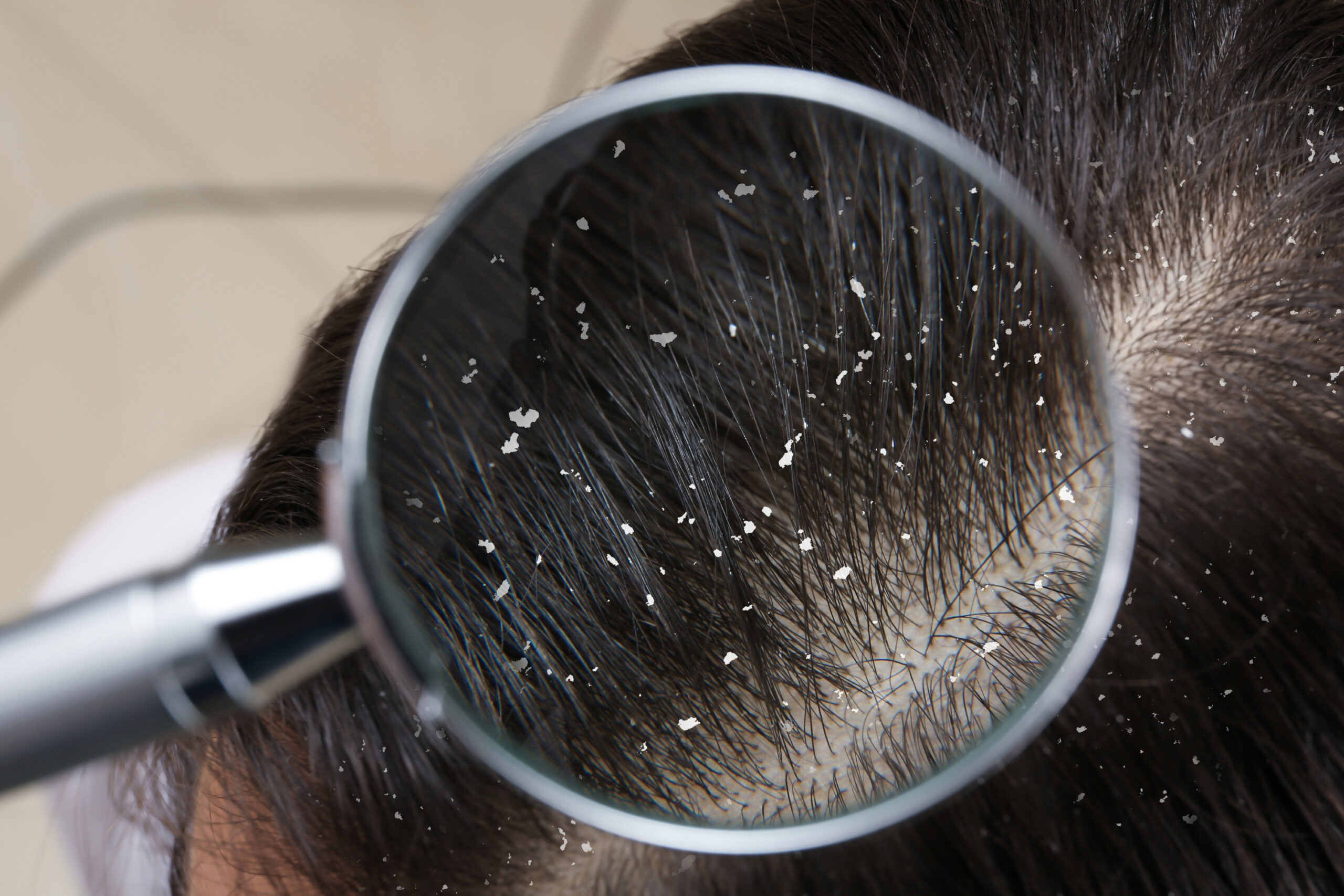
Picture this. You wear a black shirt to an important meeting, glance down, and there they are: white flakes on your shoulders. You tell yourself it’s just dandruff, buy another anti-dandruff shampoo, and hope for the best.
Weeks later, the flakes are back. Now your scalp is red in patches, your eyebrows look scaly, and the itch won’t let up. Sound familiar? This is exactly why seborrheic dermatitis vs dandruff: how to identify the difference matters. The two look alike at first, but they aren’t the same thing, and treating one like the other can keep you stuck for years. Dr Rashmi Chandwani of Ccube Homeopathy meets many patients in this situation.
Seborrheic Dermatitis vs Dandruff: What’s Actually Going On?
Dandruff is the milder of the two. The scalp gets a little dry or flaky, you see small white specks, and you may itch now and then. The skin underneath usually looks perfectly normal.
Seborrheic dermatitis is a longer-running, inflammatory skin condition. It tends to settle in oily areas of the body: the scalp, eyebrows, sides of the nose, behind the ears, and sometimes the chest. It comes and goes, and it often flares when life gets stressful.
Some doctors consider dandruff the mildest end of the same spectrum, which is why it’s so easy to confuse them. Still, knowing which side of the line you’re on helps you pick the right care. At Ccube Homeopathy, that’s usually the first thing Dr Chandwani sorts out with a new patient.
How Do I Know If It’s Dandruff or Seborrheic Dermatitis?
This is the question people ask most, and the answer is mostly about what you see and feel.
With plain dandruff, the flakes are small, white and dry. They fall off easily, the scalp doesn’t look angry, and a good wash usually calms things down.
With seborrheic dermatitis, the flakes tend to be yellowish, greasy or waxy, and they cling to the skin. The scalp may look pink or red. The itching can be stubborn, sometimes with a burning feeling, and you may notice scaling on your face, ears or chest too.
So, how do I know if it’s dandruff or seborrheic dermatitis? Look at the skin, not just the flakes. Calm and dry points to dandruff. Red, oily and persistent points to seborrheic dermatitis. If it keeps returning no matter what shampoo you use, take that as a sign to get it checked.
How to Confirm Seborrheic Dermatitis?
There’s no blood test or scan that settles it. A practitioner makes the call by looking at your skin and listening to your story.
That’s why the conversation matters. How long has this been going on? Does it get worse in winter, or when you’re stressed or sleeping badly? Is anyone in your family prone to skin problems? What have you already tried?
So, how to confirm seborrheic dermatitis? Usually through a proper examination plus a detailed history. At Ccube Homeopathy, Dr Rashmi Chandwani spends real time on this, because in homeopathy the details of your symptoms, your temperament and your general health all shape the treatment. If something looks unusual, like possible scalp psoriasis or a fungal infection, she may suggest further tests so nothing gets missed.
Which Foods Trigger Seborrheic Dermatitis?
Let’s be honest here: the research on diet and seborrheic dermatitis is still thin, and no single food is guilty for everyone. But patients often notice patterns, and those patterns are worth paying attention to.
Common culprits people report include sugary snacks, refined carbs, deep-fried or heavily processed food, too much dairy, very spicy meals and alcohol.
So which foods trigger seborrheic dermatitis for you? The most practical way to find out is a simple diary. Write down what you eat and how your scalp feels for three or four weeks. If the itching spikes a day after that late-night pizza or sweet chai, you’ve learned something useful. Many patients at Ccube Homeopathy find that lighter meals, more vegetables and fruit, and plenty of water leave the scalp noticeably calmer.
Can Dandruff Shampoo Help With Seborrheic Dermatitis?
The trouble is that these shampoos mostly work on the surface. Stop using them and the flakes often creep back. Used too often, they can also leave the scalp dry and irritated, which is the last thing an already sensitive scalp needs.
That’s where many people start looking for something that goes deeper. Dr Chandwani often suggests a gentle, sulphate-free wash for daily care while the real work happens from within.
Why So Many People Turn to Homeopathy
Seborrheic dermatitis is a bit of a boomerang. It clears, then returns with a stressful month, a change of season or a hormonal shift. Treating only the flakes means you’re always one step behind.
Homeopathy takes a different route. Instead of asking “what cream do I put on this?”, it asks “why does this person’s scalp react this way?” Your sleep, digestion, stress levels and past health history all count. Remedies are chosen for you individually, which is why two people with the same diagnosis can leave the clinic with different prescriptions.
Homeopathic medicines are also steroid-free and gentle enough for long-term use under supervision. Many patients value that, especially after years of creams that quieted things for a week and then stopped working. It’s also why more people are choosing Ccube Homeopathy when they’re tired of the shampoo-and-cream cycle.
Small Habits That Make a Real Difference
Whatever treatment you choose, a few everyday habits help:
- Wash your hair regularly with a mild shampoo so oil and scales don’t pile up.
- Resist the urge to scratch, because it only inflames the skin further.
- Go easy on hot water and harsh styling products.
- Protect your sleep and find a stress outlet that works for you, whether that’s a walk, yoga or music.
None of this is glamorous, but done consistently it adds up.
Meet Dr Rashmi Chandwani
Dr Rashmi Chandwani is a homeopathic practitioner who focuses on chronic skin and hair problems. Patients tend to remember how much time she gives them. She asks about your routine, your stress, your food and your history before suggesting a thing, then explains her reasoning in plain language. For people living with seborrheic dermatitis, stubborn dandruff or hair fall, that patient, detail-first style is often what they’ve been missing.
Why Ccube Homeopathy?
Ccube Homeopathy is built on a simple idea: lasting skin health comes from understanding the whole person, not just the patch of skin that’s bothering you. You get a proper consultation, a remedy chosen for you, and follow-ups so the plan changes as your scalp does. Along the way, the team helps you spot your triggers and build habits that support your treatment.
Still Not Sure? Take the Next Step
If you’re still wondering about seborrheic dermatitis vs dandruff: how to identify the difference, or if the flakes, redness and itching keep coming back, don’t wait for it to get worse. Book a consultation with Dr Rashmi Chandwani at Ccube Homeopathy and get a clear answer and a plan made for your scalp.