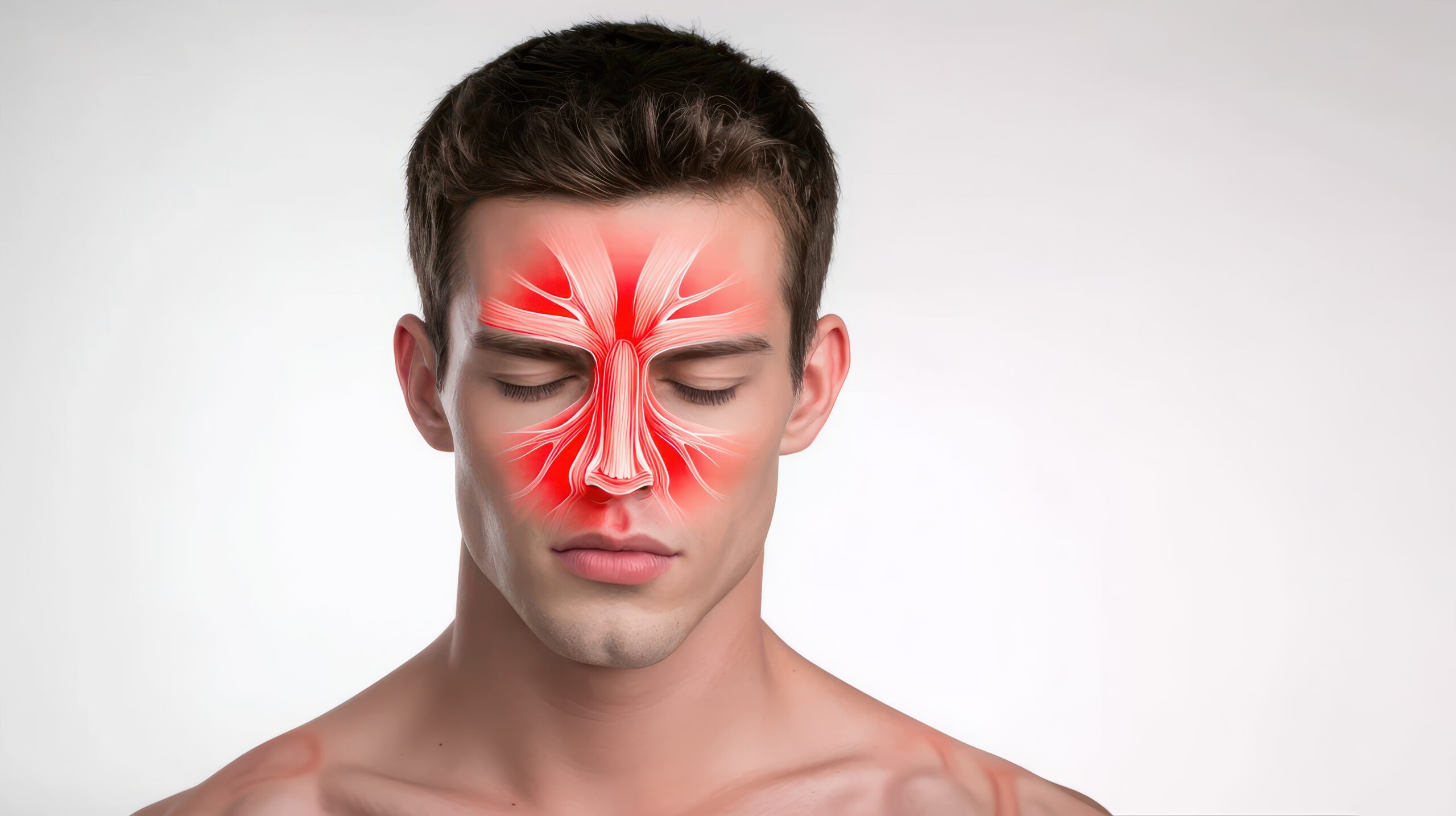
Sinusitis can have a great deal of impact on daily life, causing problems such as a continuous nasal blockage and a feeling of pressure in the face, as well as headaches, runny nose and difficulty in breathing through the nose. When it comes to treating sinusitis with homeopathy, the emphasis is placed on understanding the full range of the individual’s symptoms rather than giving every patient the same prescription.
At CCube Homoeopathy, under the expert guidance of Dr Rashmi Chandwani, sinusitis is dealt by carrying out a detailed case-taking and by giving individualised homoeopathic medication. The aim is to gain an understanding of the patient’s characteristic symptoms, the factors which trigger them, the character of the nasal discharge, the headaches, the facial pain, the sensitivity to changes in weather and any other individual factors before deciding on an appropriate remedy.
Understanding Sinusitis
Sinusitis is defined as inflammation of the sinus passages and, in some cases, may be accompanied by nasal congestion, a thick or watery nasal discharge, mucus that drains down the back of the throat, a feeling of facial heaviness, headache, a diminished sense of smell, sneezing or difficulty in breathing through the nose.
For a person who has recurring sinus troubles, merely considering one symptom alone will not give a full understanding of the situation. In such cases, individually tailored homoeopathic treatment for sinusitis becomes something that is worth taking into account.
When prescribing homeopathic treatments for problems related to the sinuses, it is based on the symptoms exhibited by the patient, such as the nature of the nasal or throat discharge, the specific sinus affected, any seasonal variations and the relationship with changes in weather.
How does homoeopathic treatment of sinusitis work?
A characteristic feature of homoeopathy is its individualised method. Even if two people have sinusitis they may experience it in different ways. One person might have thick and sticky nasal mucus whereas another might have a watery discharge together with frequent sneezing. In some cases there is a strong feeling of pressure in the face, while in other cases the main complaint is of blocked breathing and a diminished sense of smell.
At CCube Homoeopathy Dr. Rashmi Chandwani looks at these individual characteristics in consultation before deciding the prescription.
The treatment process generally involves:
- Detailed Case-Taking
The first thing to do is to find out the patient’s full history of sinusitis. Dr. Rashmi Chandwani at CCube Homoeopathy can examine how long the problem has been going on, how often the episodes occur, the presence of a nasal blockage, the type and colour of the discharge, any headaches, feelings of pressure in the face, the occurrence of post-nasal drip, sneezing, disturbances of the sense of smell, and the various factors which make the symptoms better or worse.
- Recognising the individual symptom pattern
The diagnosis can manifest in different ways from one person to another and so homeopathy does not always depend on a single ‘sinusitis’ medicine.
It is important to look at the symptoms. For instance, the practitioner should consider if the symptoms get worse in cold weather, during certain seasons, in the morning or at night, or as a result of exposure to dust and other environmental triggers. Individualized assessment is an essential element of the CCube Homoeopathy for treating sinusitis.
- The choice of the homoeopathic prescription
On the basis of a thorough analysis of the case, a homeopathic doctor chooses a prescription in accordance with the patient’s symptoms, the remedy and potency which is not same for each individual, as person differ.
- Regular Follow-Up
Homoeopathic treatment of sinusitis is usually considered to be a process not a single intervention, and during the follow-up consultations the changes in symptoms are evaluated. At CCube Homoeopathy, Dr. Rashmi Chandwani is able to assess any changes in the symptoms of nasal obstruction, discharge, headaches, facial pressure, post-nasal drip, sense of smell and the general pattern of the symptoms and make the necessary adjustments if needed.
How long does homoeopathic treatment take for sinusitis?
A question which is very frequently asked by patients is this: “How long will it take for to treat my sinusitis?”
There isn’t a single length of time that can be applied to all individuals.
The length of time will depend on various factors, including how long the sinus problem has existed, how often it comes back, the severity and pattern of the symptoms, the individual’s degree of susceptibility and the response seen in the follow-ups.
Complaints that are acute and those that have been recurrent over a long period of time may obviously call for different lengths of treatment. Homoeopathic treatment ought to aim at the patient’s individual progress rather than committing to a specific number of days or promising a cure within a certain time frame.
What can you expect while taking treatment from homoeopathy for sinusitis?
When patients are receiving homoeopathic treatment they might be asked to closely note any changes in their symptoms. Key areas are:
- Reduction in the frequency of sinus episodes
- Changes in nasal blockage
- Changes in the nature of nasal discharge
- Improvement in facial pressure or heaviness
- Changes in sinus-related headaches
- Improvement in post-nasal drip
- Changes in sneezing and nasal irritation
- Improvement in the sense of smell
- Better day-to-day comfort
Dr. Rashmi Chandwani at CCube Homoeopathy keep record of these changes in order to find out how the individual is getting on.
Frequently Asked Questions
Can sinusitis be treated with homoeopathy?
Yes. Homoeopathy is used by homoeopathic practitioners for sinusitis based on the individual’s symptoms and overall health picture. The treatment is personalised according to factors such as nasal blockage, type of nasal discharge, headache, facial pressure, sensitivity to weather and the pattern of recurrent episodes.
How does homoeopathic treatment for sinusitis work?
The homoeopathic approach focuses on understanding the complete symptom picture rather than treating nasal blockage or headache. During consultation, the physician evaluates the nature of the discharge, location of sinus discomfort, aggravating factors, recurrence pattern and other individual symptoms before selecting a remedy.
How long does homoeopathic treatment for sinusitis take?
There is no single fixed duration for everyone. The duration depends on whether the complaint is recent or longstanding, how frequently sinusitis recurs and the individual symptom pattern. At CCube Homoeopathy majority of patients feels great relief in their overall symptoms after their first visit itself.
When can I expect improvement with homoeopathy for sinusitis?
The time to notice improvement varies from person to person. Some people may notice changes in symptoms relatively early, while individuals with long-standing or recurrent complaints may require a longer period of follow-up. Regular assessment helps the homoeopathic physician understand how the case is progressing. In majority of patients at CCube Homoeopathy improvement can be seen in a very short span of time.
What happens during a homoeopathic sinusitis consultation?
A detailed case-taking is an important part of the process. The homoeopathic doctor may ask about nasal blockage, discharge, headaches, facial pain or pressure, smell, triggers, weather sensitivity, sleep, general health and the history of previous episodes. The symptoms are then considered as a whole before selecting an individualised homoeopathic prescription.
Can homoeopathy help with recurrent sinusitis?
Yes. At CCube Homoeopathy we use individualised treatment for people who experience repeated sinus complaints. The aim is to understand the recurring symptom pattern and select treatment accordingly.
Will I need regular follow-ups during homoeopathic sinusitis treatment?
Follow-ups can be an important part of the treatment process, particularly for chronic or recurrent sinus complaints. During follow-up, the physician reviews changes in symptoms such as nasal blockage, nasal discharge, headache, facial pressure and recurrence. The treatment may then be continued or modified according to the individual response.
What changes can I expect during homoeopathic treatment for sinusitis?
As the case progresses, patients may observe changes in symptoms such as reduced nasal blockage, improved nasal breathing, less facial pressure or headache, changes in nasal discharge and fewer recurring episodes. The exact pattern and pace of improvement vary between individuals, so treatment progress is assessed on a case-by-case basis.
Is homoeopathic treatment suitable for chronic sinusitis?
Homoeopathy is used by practitioners for chronic sinusitis, with treatment based on the patient’s individual symptoms. Chronic sinusitis can involve symptoms such as persistent nasal obstruction, facial discomfort and reduced sense of smell. A proper assessment is important, particularly when symptoms are persistent or recurrent.
What should I expect from homoeopathic sinusitis treatment at CCube Homoeopathy?
At CCube Homoeopathy, the process can begin with detailed case-taking followed by an individualised homoeopathic prescription and follow-ups. Dr. Rashmi Chandwani at CCube Homoeopathy focus on understanding the patient’s complete sinus symptom pattern, including the nature of nasal discharge, blockage, headaches, triggers and recurrence, so that treatment can be personalised to the individual case.
CCube Homoeopathy – A Pioneer in Individualized Homoeopathic Care
CCube Homoeopathy has become a well-known name in the field of individualized homoeopathic treatment, thanks to the vast clinical experience that Dr. Rashmi Chandwani brings to the practice. At CCube Homoeopathy, great importance is attached to taking a thorough case history, understanding the individual’s symptom pattern and then choosing a custom homoeopathic prescription instead of adopting a one-size-fits-all approach. When dealing with patients who have recurrent sinus problems, the process starts with carefully hearing out the patient’s history and finding out how the condition impacts their daily life. Dr. Rashmi Chandwani stresses systematic follow-ups and individualized care, keeping the patient’s changing symptoms at the heart of each consultation. Because of its focus on individualised holistic approach, CCube Homoeopathy has become a preferred choice for people looking for personalized homoeopathic treatment of sinus-related issues. Rather than seeing sinusitis just as a set of separate symptoms, the approach at CCube Homoeopathy is designed to understand the person underlying those symptoms and to formulate an individualized treatment plan as a result.
What are the advantages of choosing homoeopathy for sinusitis?
Homoeopathy is an individualised form of care in which the patient’s full range of symptoms is of central importance; rather than supposing that all people with sinusitis experience the condition in the same way, homoeopathic case-taking examines the particular features of each case.
Patients visiting the CCube Homoeopathy at Dr. Rashmi Chandwani can look forward to a consultation which involves taking a detailed history, prescribing treatment on an individual basis and providing continued follow-up. For anyone who is suffering from frequent sinus problems, understanding the pattern of their symptoms can be an important initial move towards a more tailored method of treatment.
Final Thoughts
Sinusitis may be long-lasting, very annoying and disruptive, especially since recurring nasal blockage, headaches, a feeling of pressure in the face, post-nasal discharge or a diminished sense of smell frequently disrupt everyday activities. Homoeopathy provides an individualised method which takes into account the patient’s particular symptom pattern and general condition.
At CCube Homoeopathy, Dr. Rashmi Chandwani stresses thorough case-taking and personalised homoeopathic treatment in order that each patient’s sinus problems may be evaluated in light of their individual features. The length of the treatment is not the same for all people, and a proper evaluation involves monitoring the patient’s progress over time . For individuals seeking individually tailored homoeopathic care for sinusitis, CCube Homoeopathy has a structured consultation and follow-up procedure that is based on understanding the patient as a distinct person. By carrying out careful case-taking, prescribing the right treatment and carrying out regular assessments, homoeopathic care can be considered as a personalised way of dealing with sinus-related problems.