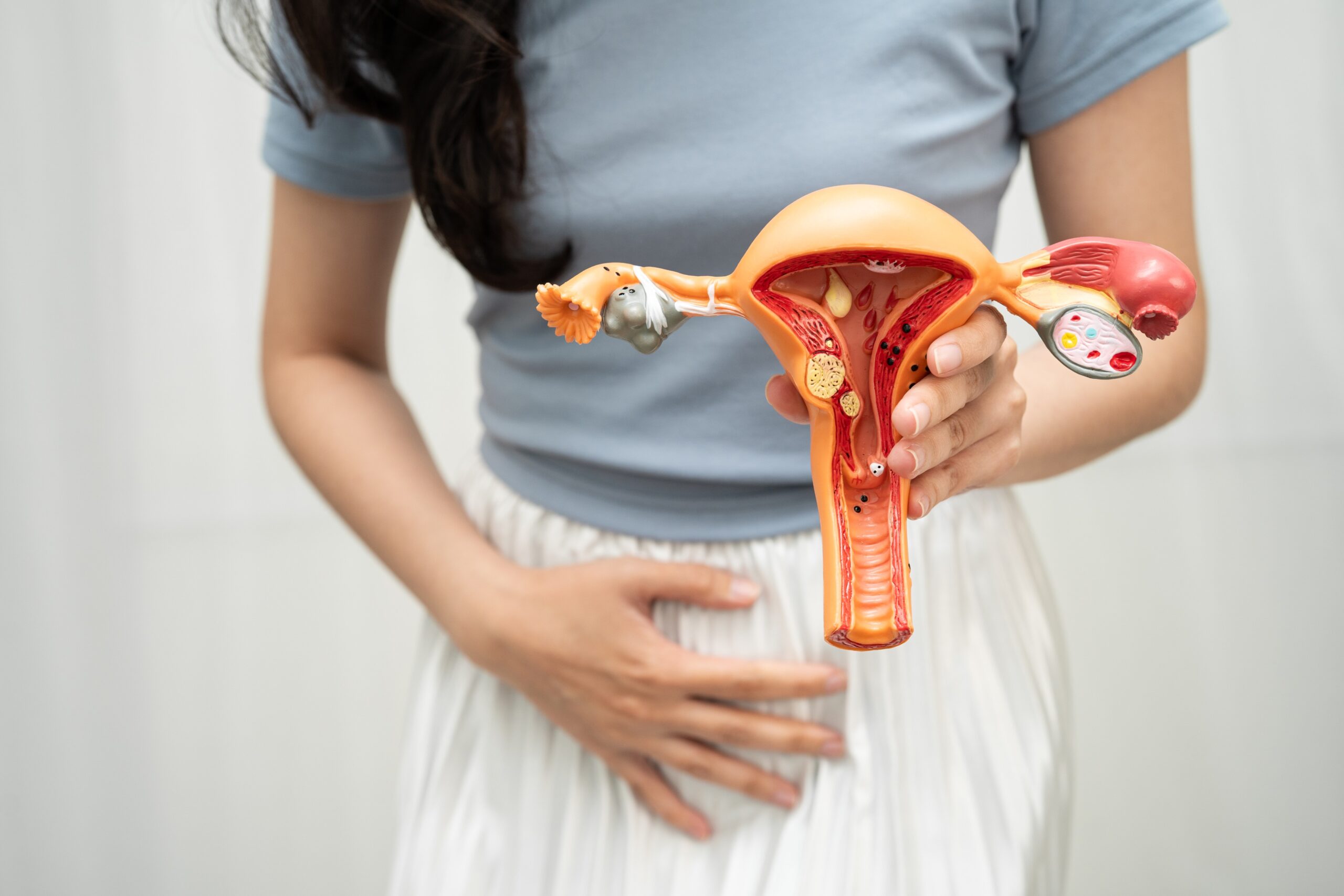
Polycystic Ovarian Disease (PCOD) is one of the most common hormonal disorders affecting women of reproductive age. While irregular periods, acne, unwanted facial hair, and weight gain are well-known symptoms, insulin resistance is a key underlying factor. At CCube Homoeopathy, Dr. Rashmi Chandwani believes that understanding insulin resistance is crucial for managing PCOD effectively and improving overall health. CCube Homoeopathy takes a holistic approach by addressing the root cause instead of just managing symptoms.
What Is Insulin Resistance?
Insulin is a hormone produced by the pancreas that helps move glucose (sugar) from the bloodstream into the body’s cells for energy. In insulin resistance, the body’s cells do not respond well to insulin. To make up for this, the pancreas produces more insulin, leading to high insulin levels in the blood, known as hyperinsulinemia.
Dr. Rashmi Chandwani at CCube Homoeopathy states that elevated insulin levels affect blood sugar regulation and directly influence hormone production in women with PCOD.
How Does Insulin Resistance Cause PCOD Symptoms?
Insulin resistance is central to many women with PCOD. High insulin levels stimulate the ovaries to produce more androgens (male hormones such as testosterone). Excess androgens disrupt normal ovulation and contribute to multiple immature follicles forming in the ovaries.
Dr. Rashmi Chandwani explains that this hormonal imbalance often leads to irregular menstrual cycles, difficulty conceiving, acne, excessive body and facial hair, thinning hair on the scalp, and stubborn weight gain. Treating the overall hormonal imbalance is crucial for long-term PCOD management.
Signs That You May Have Insulin Resistance
Women with PCOD may not always realize they have insulin resistance. Common signs include:
- Weight gain, especially around the abdomen
- Difficulty losing weight despite diet and exercise
- Intense cravings for sweets and carbohydrates
- Fatigue after meals
- Dark, velvety patches of skin around the neck, underarms, or groin (Acanthosis Nigricans)
- Skin tags
- Irregular periods
- Elevated blood sugar or prediabetes
Dr. Rashmi Chandwani recommends early evaluation when these symptoms appear, as timely intervention can help reduce future health risks.
How Insulin Resistance Affects Fertility
One of the major concerns for women with PCOD is difficulty conceiving. High insulin levels disrupt normal egg development and ovulation, making pregnancy harder.
Dr. Rashmi Chandwani emphasizes individualized treatment plans aimed at supporting hormonal balance and reproductive health.
Can Insulin Resistance Lead to Other Health Problems?
Yes. If left unmanaged, insulin resistance can increase the risk of several long-term health conditions, including:
- Prediabetes
- Type 2 diabetes
- High cholesterol
- Fatty liver disease
- High blood pressure
- Heart disease
- Metabolic syndrome
This is why CCube Homoeopathy encourages women not to ignore irregular periods or persistent PCOD symptoms. Dr. Rashmi Chandwani believes early assessment and long-term lifestyle management are essential for overall health.
How Is Insulin Resistance Diagnosed?
Doctors may recommend several tests based on your symptoms, including:
- Fasting blood sugar
- HbA1c
- Fasting insulin levels
- Oral Glucose Tolerance Test (OGTT)
- Lipid profile
- Hormonal evaluation
- Pelvic ultrasound
Dr. Rashmi Chandwani carefully reviews each patient’s medical history, symptoms, and available tests before suggesting a personalized management plan.
Lifestyle Changes That Improve Insulin Resistance
Lifestyle changes are among the most effective strategies for improving insulin resistance in women with PCOD.
Helpful measures include:
- Following a balanced, high-fiber diet
- Choosing whole grains instead of refined carbohydrates
- Eating enough protein with each meal
- Including healthy fats
- Exercising for at least 150 minutes per week
- Strength training two to three times each week
- Getting enough sleep
- Managing stress through yoga, meditation, or relaxation techniques
- Maintaining a healthy body weight
Dr. Rashmi Chandwani educates patients about sustainable lifestyle habits that can complement their overall treatment plan.
Frequently Asked Questions (FAQ)
Homoeopathic Perspective on PCOD and Insulin Resistance
From a homoeopathic viewpoint, treatment is tailored to the individual’s complete symptom profile, constitution, and overall health rather than the diagnosis alone. Homeopathy seeks to support the body’s natural healing processes. Women with PCOD should continue to pursue appropriate medical evaluation and monitoring, especially if they have elevated blood sugar or other metabolic concerns.
Dr. Rashmi Chandwani integrates thorough case-taking with advice on nutrition, exercise, sleep, and stress management to provide comprehensive patient care.
Can insulin resistance cause PCOD?
Insulin resistance does not directly cause PCOD, but it is a major contributing factor. High insulin levels stimulate the ovaries to produce excess androgens, which can worsen PCOD symptoms.
Does every woman with PCOD have insulin resistance?
No. However, studies suggest that around 50–70% of women with PCOD have insulin resistance, including some women who are lean.
What are the signs of insulin resistance in women with PCOD?
Common signs include:
- Weight gain, especially around the abdomen
- Difficulty losing weight
- Dark patches on the neck or underarms (acanthosis nigricans)
- Skin tags
- Sugar cravings
- Fatigue after meals
- Irregular periods
Can insulin resistance cause irregular periods?
Yes. High insulin levels can interfere with ovulation, leading to irregular, delayed, or absent menstrual cycles.
Does insulin resistance increase testosterone in PCOD?
Yes. Elevated insulin stimulates the ovaries to produce more testosterone, which can cause acne, excessive hair growth, and scalp hair thinning.
Can insulin resistance make it harder to get pregnant?
Yes. Insulin resistance can affect ovulation, making conception more difficult. Improving insulin sensitivity may help restore ovulation in some women.
Can lean women with PCOD have insulin resistance?
Yes. Even women with a normal BMI can develop insulin resistance if they have PCOD.
How is insulin resistance diagnosed?
Doctors may recommend:
- Fasting blood sugar
- HbA1c
- Fasting insulin
- Oral Glucose Tolerance Test (OGTT), when indicated
- Lipid profile
Can insulin resistance be reversed naturally?
Many women improve insulin sensitivity through regular exercise, a balanced diet, adequate sleep, stress management, and maintaining a healthy weight. Some may also require medical treatment.
Why do women with PCOD develop dark neck pigmentation?
Dark, velvety skin on the neck, underarms, or groin (acanthosis nigricans) is often associated with high insulin levels and insulin resistance.
Are skin tags a sign of insulin resistance?
Multiple skin tags, especially around the neck and underarms, may be associated with insulin resistance, although they can occur for other reasons as well.
Does losing weight improve insulin resistance in PCOD?
Yes. Even a modest weight loss of 5–10% can improve insulin sensitivity, support ovulation, and reduce PCOD symptoms in many women.
Can PCOD lead to diabetes?
Women with PCOD have a higher risk of developing prediabetes and type 2 diabetes, particularly if insulin resistance is present.
What foods help reduce insulin resistance in PCOD?
Foods rich in protein, fiber, healthy fats, whole grains, legumes, vegetables, and low-glycemic fruits may help improve insulin sensitivity as part of an overall healthy eating pattern.
Can homoeopathy help in PCOD with insulin resistance?
Yes.
CCube Homoeopathy – A Leader in Personalized PCOD Care
CCube Homoeopathy has built a reputation as a trusted center for individualized homoeopathic consultation under Dr. Rashmi Chandwani’s guidance, who has decades of clinical experience. The clinic recognizes that every woman with PCOD has a unique hormonal profile, lifestyle, medical history, and symptom pattern.
Instead of using a one-size-fits-all approach, CCube Homoeopathy focuses on detailed consultations to understand menstrual history, emotional health, metabolic issues, dietary habits, sleep quality, stress levels, and reproductive goals. Dr. Rashmi Chandwani emphasizes educating patients about PCOD, insulin resistance, and healthy lifestyle practices, enabling them to take an active role in their long-term health. This patient-centered approach has made CCube Homoeopathy a model for compassionate, holistic care prioritizing overall well-being.
Final Thoughts
Insulin resistance is a significant factor contributing to the hormonal imbalance seen in many women with PCOD. It can impact menstrual cycles and fertility while increasing the risk of diabetes, heart disease, and other metabolic disorders if not properly addressed. Recognizing the signs early, adopting healthy lifestyle changes, and seeking appropriate medical guidance can greatly improve long-term health. Dr. Rashmi Chandwani believes that successful PCOD management combines personalized care, patient education, realistic expectations, and regular follow-up. With consistent lifestyle changes, informed choices, and personalized support, many women with PCOD can enhance their health, manage symptoms effectively, and work toward their reproductive and wellness goals.