Plantar warts are a common skin condition that affects the soles of the feet and can cause discomfort while walking or standing. Many patients visit Ccube homoeopathy to seek guidance from Dr. Rashmi Chandwani about the causes, symptoms, and treatment options for plantar warts. Understanding this condition is crucial because early diagnosis and proper management can help prevent discomfort and recurrence.
What Are Plantar Warts?
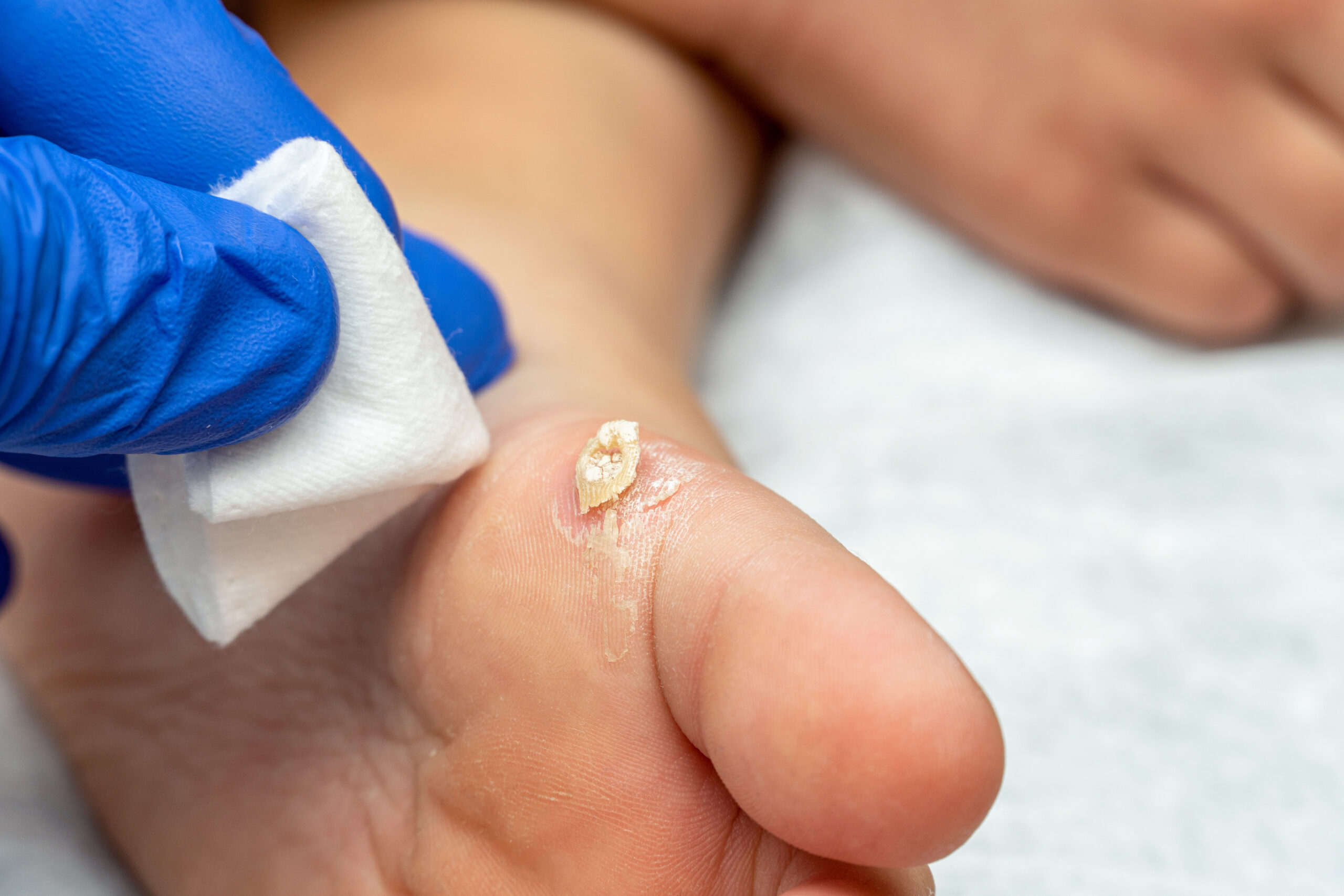
Plantar warts are non-cancerous growths that develop on the bottom of the feet due to an infection with the Human Papillomavirus (HPV). These warts usually appear on weight-bearing areas, such as the heels or balls of the feet. According to experts at Ccube homoeopathy, plantar warts can vary in size and number. Some patients may have a single wart, while others may experience clusters known as mosaic warts. Dr. Rashmi Chandwani stresses that identifying the wart early can help reduce complications and discomfort.
What Causes Plantar Warts?
The main cause of plantar warts is infection by specific strains of HPV. The virus enters the skin through tiny cuts, cracks, or weak spots on the soles of the feet. At Ccube homoeopathy, Dr. Rashmi Chandwani often explains that the virus thrives in warm, moist places, like swimming pools, locker rooms, public showers, and gym floors. Walking barefoot in these areas increases the chances of exposure.
However, not everyone exposed to HPV develops plantar warts. The body’s immune response plays a significant role in whether the infection develops into visible warts. This is why Ccube homoeopathy focuses on understanding each individual’s overall health and susceptibility when discussing treatment options with Dr. Rashmi Chandwani.
Common Symptoms of Plantar Warts
Recognizing the symptoms of plantar warts is crucial for timely intervention. Patients consulting Ccube homoeopathy often report the following symptoms, which Dr. Rashmi Chandwani carefully evaluates:
- A small, rough, grainy growth on the sole of the foot.
- Thickened skin that looks like a callus.
- Tiny black dots within the wart, often called “wart seeds”, which are actually small, clotted blood vessels.
- Pain or tenderness while walking or standing.
- A lesion that disrupts the normal skin lines of the foot.
- Discomfort when pressure is applied from the sides.
Since plantar warts grow inward due to pressure from walking, they may appear flatter than warts found on other parts of the body. At Ccube homoeopathy, Dr. Rashmi Chandwani ensures a thorough assessment to distinguish plantar warts from corns, calluses, and other foot conditions.
Risk Factors for Plantar Warts
Several factors can increase the likelihood of developing plantar warts. According to observations at Ccube homoeopathy, Dr. Rashmi Chandwani notes that some individuals may be more susceptible than others.
- Walking Barefoot in Public Areas: Public swimming pools, communal showers, and locker rooms are common sources of HPV exposure. Those who frequently walk barefoot in these places may have a higher risk.
- Children and Teenagers: Young people tend to develop plantar warts more often because they may not have developed immunity to the virus yet. Dr. Rashmi Chandwani at Ccube homoeopathy frequently sees plantar warts in school-aged children and adolescents.
- Weakened Immune System: People with a weakened immune system may be more vulnerable to HPV infections. A reduced immune response can make it challenging for the body to eliminate the virus naturally.
- Skin Injuries: Small cuts, abrasions, or cracks on the feet create entry points for HPV. Ccube homoeopathy recommends maintaining healthy foot skin to reduce this risk.
- Previous History of Warts: Individuals who have had warts before may be more likely to experience recurrences. Dr. Rashmi Chandwani often educates patients about preventive measures to reduce future outbreaks.
How Are Plantar Warts Diagnosed?
Diagnosis is usually based on a clinical examination. At Ccube homoeopathy, Dr. Rashmi Chandwani evaluates the appearance, location, and characteristics of the lesion. In most cases, no special tests are needed. However, a dermatologist may occasionally suggest further evaluation if the diagnosis is unclear.
Homoeopathic Perspective on Plantar Warts
Homoeopathy takes an individualized approach that considers not just the wart itself, but also the person’s overall health and vulnerability. At Ccube homoeopathy, Dr. Rashmi Chandwani focuses on understanding the patient’s physical, emotional, and constitutional traits before recommending a treatment plan.
Homoeopathic treatment aims to support the body’s natural healing processes and may be appealing to individuals seeking a holistic approach. Since each patient is unique, remedies are selected based on individual case analysis rather than solely on the wart’s appearance. Ccube homoeopathy emphasizes thorough evaluation to ensure personalized care under the expertise of Dr. Rashmi Chandwani.
Prevention Tips for Plantar Warts
Preventing plantar warts is often easier than treating them. Dr. Rashmi Chandwani and the team at Ccube homoeopathy recommend the following preventive measures:
- Avoid walking barefoot in public showers and swimming pools.
- Wear protective shoes in communal areas.
- Keep feet clean and dry.
- Avoid sharing shoes, socks, or towels.
- Do not pick or scratch existing warts.
- Cover cuts and abrasions on the feet.
- Maintain good overall hygiene.
These simple precautions can significantly lower the risk of HPV infection and the development of plantar warts.
Frequently Asked Questions (FAQs)
Are plantar warts contagious?
Yes, plantar warts can spread through direct contact with infected skin or contaminated surfaces such as swimming pools, gym floors, and communal showers.
Who is at higher risk of developing plantar warts?
Children, teenagers, individuals with weakened immunity, people who frequently walk barefoot in public places, and those with a history of warts are at a higher risk.
Can plantar warts go away on their own?
Some plantar warts may disappear naturally as the immune system fights the virus. However, this process can take months or even years, and some warts may persist or spread.
How does homoeopathy help in plantar warts?
Homoeopathy aims to stimulate the body’s natural healing response and address the individual’s susceptibility to recurrent wart formation. Remedies are selected based on the person’s overall constitution and symptoms.
Is homoeopathic treatment for plantar warts safe?
Homoeopathic medicines are generally gentle and non-invasive when prescribed by a qualified homoeopathic physician. They are often chosen by patients seeking a holistic treatment approach.
Can homoeopathy prevent the recurrence of plantar warts?
Homoeopathy focuses on improving the body’s resistance and addressing underlying tendencies, which may help reduce the likelihood of recurrent warts.
Which homoeopathic medicines are commonly used for plantar warts?
Remedies such as Thuja Occidentalis, Antimonium Crudum, Causticum, Nitric Acid, and Dulcamara are frequently considered by homoeopathic practitioners, depending on the individual’s symptom picture.
How long does homoeopathic treatment take to show results in plantar warts?
The response time varies from person to person and depends on factors such as the size, number, duration of warts, immune status, and individual healing capacity.
When should I seek medical attention for plantar warts?
You should consult a healthcare professional if the wart is painful, bleeding, rapidly increasing in size, causing difficulty walking, recurring frequently, or if you have diabetes or a weakened immune system.
Why do plantar warts hurt while walking?
Plantar warts grow inward due to pressure from standing and walking. This inward growth can press on underlying tissues, causing discomfort and pain.
Can stress and low immunity contribute to plantar warts?
A weakened immune response may make it harder for the body to fight HPV infection. Many homoeopathic practitioners consider immune health and overall well-being important factors in managing plantar warts.
Is homoeopathy a holistic approach for plantar wart management?
Homoeopathy views the patient as a whole rather than focusing only on the wart. Treatment is individualized based on physical symptoms, medical history, and constitutional characteristics to support overall health and recovery.
Ccube homoeopathy – The Pioneer in Personalized Homoeopathic Care
Over the years, Ccube homoeopathy has built a reputation as a trustworthy provider of individualized homoeopathic healthcare. Under Dr. Rashmi Chandwani’s leadership, the clinic has focused on delivering patient-centered care through careful case-taking, personalized treatment planning, and ongoing follow-up. What sets Ccube homoeopathy apart is its commitment to understanding each patient’s unique health profile instead of just addressing surface symptoms. For patients with skin conditions like plantar warts, Dr. Rashmi Chandwani emphasizes a holistic evaluation that considers constitutional factors, lifestyle influences, immune health, and overall well-being. The philosophy at Ccube homoeopathy revolves around providing thorough guidance, patient education, and long-term support. Through a combination of clinical expertise, individual attention, and a patient-first approach, Ccube homoeopathy has gained recognition as a leader in modern homoeopathic practice. Dr. Rashmi Chandwani’s dedication to quality care, ethical practice, and holistic healing has helped many individuals seek informed and personalized healthcare solutions.
Final Thoughts
Plantar warts are a common viral skin condition that can affect anyone. They stem from an HPV infection and often grow when the virus enters the skin through small cuts or abrasions. Symptoms may include rough growths on the sole of the foot, pain while walking, and thickened skin. Risk factors like walking barefoot in public areas, weakened immunity, and a past history of warts can increase susceptibility. At Ccube homoeopathy, Dr. Rashmi Chandwani emphasizes understanding the patient as a whole and providing individualized guidance based on each person’s needs. Through detailed evaluation, patient education, preventive advice, and personalized care, Ccube homoeopathy seeks to help patients make informed health decisions. If you’re experiencing symptoms of plantar warts, getting a professional evaluation from knowledgeable practitioners like Dr. Rashmi Chandwani can ensure timely diagnosis and effective management. With awareness, proper care, and preventive steps, plantar warts can be managed effectively, allowing individuals to maintain comfort, mobility, and confidence in their daily lives.