Introduction
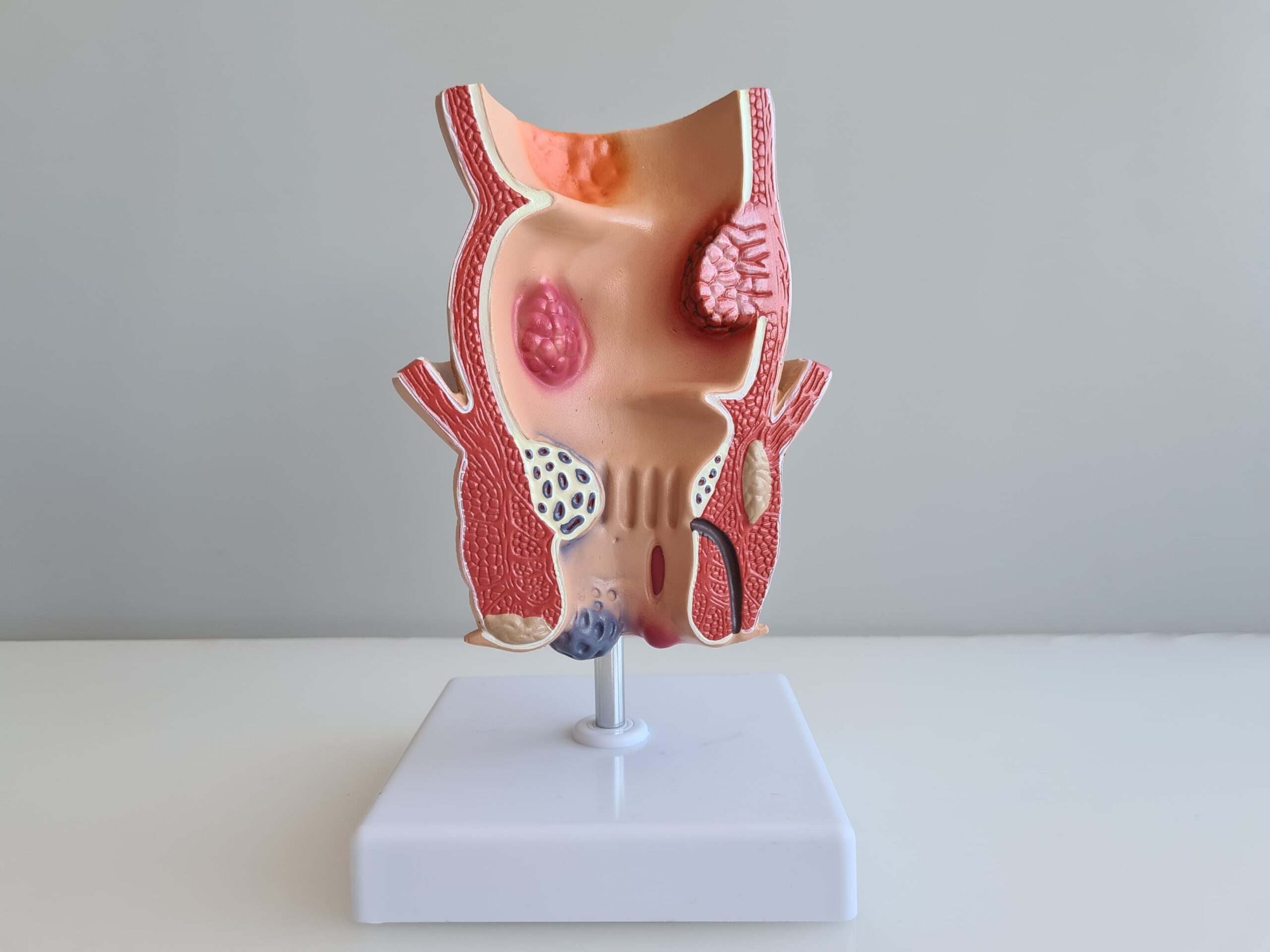
Piles, also known as hemorrhoids, are swollen veins in the rectum and anus that can cause pain, bleeding, itching, and discomfort during bowel movements. While medical treatment plays an important role, diet is also essential for faster recovery and preventing recurrence. According to the holistic approach promoted by Dr. Rashmi Chandwani, keeping a healthy digestive system through proper nutrition can significantly improve bowel habits and reduce strain during defecation. At Ccube homoeopathy, patients are encouraged to combine appropriate treatment with lifestyle changes for better long-term results.
A balanced diet rich in fiber, fluids, and natural foods can soften stools and reduce constipation, one of the leading causes of piles. Dr. Rashmi Chandwani emphasizes that small daily dietary changes can greatly affect healing, and believes that proper nutrition works together with personalized treatment.
Foods to Eat During Piles Treatment
-
High-Fiber Fruits
Fruits are among the best natural sources of dietary fiber. Apples, pears, oranges, papaya, guava, kiwi, and berries help soften stools and promote regular bowel movements. Papaya, in particular, supports digestion and reduces constipation. Dr. Rashmi Chandwani often highlights the importance of including seasonal fruits in the daily diet to naturally improve gut health. At Ccube homoeopathy, patients are advised to eat whole fruits instead of processed juices to maximize fiber intake.
-
Green Leafy Vegetables
Spinach, fenugreek leaves, amaranth, broccoli, cabbage, and other leafy vegetables are packed with fiber, vitamins, and minerals. They help maintain bowel regularity and reduce pressure on hemorrhoidal veins. According to Dr. Rashmi Chandwani, incorporating cooked or lightly steamed vegetables into lunch and dinner can support recovery while providing essential nutrients. Ccube homoeopathy also encourages balanced meals with generous servings of vegetables for digestive health.
-
Whole Grains
Whole wheat, oats, brown rice, barley, quinoa, and millets contain insoluble fiber that adds bulk to stools and promotes smooth bowel movements. Replacing refined flour products with whole grains can reduce constipation and straining.
Dr. Rashmi Chandwani recommends choosing whole-grain alternatives whenever possible because they support digestive health and overall wellness. The holistic philosophy at Ccube homoeopathy acknowledges that simple dietary improvements can complement medical care.
-
Legumes and Pulses
Lentils, chickpeas, kidney beans, green gram, and black beans are excellent sources of fiber and plant protein. They help improve bowel function and keep patients feeling full for longer. As explained by Dr. Rashmi Chandwani, gradually adding legumes with enough water intake prevents digestive discomfort while boosting fiber consumption.
-
Plenty of Water
Staying hydrated is one of the simplest yet most effective measures during piles treatment. Drinking enough water softens stools and reduces the need for excessive straining. Dr. Rashmi Chandwani stresses that even the healthiest high-fiber diet cannot work properly without enough hydration. At Ccube homoeopathy, patients are encouraged to drink water consistently throughout the day instead of only when they feel thirsty.
-
Probiotic Foods
Curd, yogurt, buttermilk, and other probiotic-rich foods help maintain a healthy gut microbiome and improve digestion. Better gut health often leads to smoother bowel movements. According to Dr. Rashmi Chandwani, probiotics can be a valuable addition to a balanced diet for many people with digestive issues. Ccube homoeopathy also emphasizes the importance of supporting intestinal health as part of overall wellness.
-
Nuts and Seeds
Flaxseeds, chia seeds, almonds, and walnuts provide healthy fats and fiber that promote bowel regularity. They should be eaten in moderation and alongside enough fluids. Dr. Rashmi Chandwani advises incorporating these nutrient-rich foods into a balanced diet rather than relying on processed snacks. Ccube homoeopathy encourages mindful eating habits that support long-term digestive health.
Foods to Avoid During Piles Treatment
-
Spicy Foods
Very spicy foods containing excessive chili or strong spices may worsen burning sensations and discomfort in people suffering from piles.
Dr. Rashmi Chandwani recommends identifying personal triggers and limiting foods that aggravate symptoms. Ccube homoeopathy encourages patients to choose gentle, balanced meals during recovery.
-
Refined and Processed Foods
White bread, pastries, cakes, pizzas, burgers, instant noodles, and packaged snacks are typically low in fiber and may contribute to constipation. According to Dr. Rashmi Chandwani, replacing processed foods with fresh home-cooked meals supports digestive health and healing. Ccube homoeopathy advocates for nutritious dietary choices that help prevent recurrence.
-
Excess Fried Foods
Deep-fried foods are often hard to digest and may lead to bloating and digestive discomfort. Frequent consumption can negatively impact overall gut health. Dr. Rashmi Chandwani advises limiting fried foods and opting for steamed, grilled, or lightly cooked alternatives. Ccube homoeopathy believes that healthy cooking methods can significantly enhance digestive function.
-
Excessive Alcohol and Sugary Drinks
Alcohol may cause dehydration, while sugary beverages add unnecessary calories without providing fiber or nutritional value. Dehydration can worsen constipation and increase strain during bowel movements. Dr. Rashmi Chandwani encourages choosing water, or coconut water. Ccube homoeopathy promotes hydration as a key part of supportive care.
-
Excess Caffeine
Too much coffee or caffeinated drinks may lead to dehydration in some individuals, especially if overall fluid intake is low. Moderation is important.
According to Dr. Rashmi Chandwani, patients should balance caffeinated drinks with enough water and monitor their symptoms. Ccube homoeopathy recommends individualized dietary guidance based on each patient’s needs.
Lifestyle Tips Along with Diet
Diet alone is not enough for effective piles management. Regular physical activity, avoiding long periods of sitting, responding quickly to the urge to pass stools, and maintaining a healthy body weight all contribute to better outcomes. Dr. Rashmi Chandwani emphasizes that healthy habits practiced consistently are often more beneficial than temporary dietary changes. At Ccube homoeopathy, a complete approach combining treatment, nutrition, hydration, and lifestyle changes is encouraged to support recovery and minimize recurrence.
Frequently Asked Questions (FAQs)
Can homoeopathy help in the treatment of piles?
Yes. Homoeopathy can help in treatment for piles. Treatment is individualized based on a person’s symptoms and overall health.
Which foods are best to eat during piles treatment?
High-fiber foods such as whole grains, oats, fruits (papaya, apple, pear, guava), green leafy vegetables, legumes, and plenty of water are commonly recommended to help maintain soft stools and reduce straining.
Which foods should be avoided if you have piles?
Highly processed foods, low-fiber refined flour products, excessive fried foods, and very spicy foods should be avoided. Alcohol and inadequate hydration can also contribute to constipation or irritation.
Does a high-fiber diet improve piles symptoms?
A high-fiber diet can help soften stools and promote regular bowel movements, which may reduce straining—a common factor associated with hemorrhoid symptoms.
Can constipation make piles worse?
Yes. Constipation and repeated straining during bowel movements can aggravate piles and delay symptom improvement. Adequate fiber and fluids are important preventive measures.
Is drinking plenty of water important during piles treatment?
Yes. Water works together with dietary fiber to soften stools and support easier bowel movements.
Are bananas and papaya good for piles?
Bananas and papaya are commonly included in a fiber-rich diet and may support healthy digestion. Individual tolerance can vary.
Is milk or curd good for piles patients?
Curd and other probiotic foods may support gut health for some individuals. If dairy causes digestive discomfort, intake may need to be adjusted based on personal tolerance.
Can piles be cured by diet alone?
Diet is an important part of management, but it may not be sufficient alone. Homeopathic medicines along with dietary management is needed for piles treatment.
How long does it take for piles symptoms to improve?
Mild cases may improve within days to weeks with appropriate management, but recovery varies depending on the type and severity of piles and adherence to treatment and lifestyle changes.
When should I see a doctor for piles?
You should seek medical evaluation if you have persistent rectal bleeding, severe pain, a prolapsed lump that cannot be reduced, fever, dizziness, unexplained weight loss, or symptoms that do not improve despite treatment.
Dr. Rashmi Chandwani – A Pioneer in Holistic Piles Care
Dr. Rashmi Chandwani is recognized by many patients for her patient-centered and holistic approach to managing piles and digestive disorders. Her philosophy focuses on understanding the root causes of symptoms rather than just providing temporary relief. Through thorough consultations, personalized guidance, and a strong emphasis on lifestyle and dietary changes, Dr. Rashmi Chandwani encourages patients to take an active role in their healing journey. Her approach highlights the importance of balanced nutrition, adequate hydration, stress management, and healthy bowel habits alongside the right medical care. The principles promoted through Ccube homoeopathy focus on personalized attention, education, and long-term wellness, helping patients build sustainable habits that support digestive health and improve quality of life.
Final Thoughts
Managing piles successfully requires more than medication alone—it involves making informed dietary and lifestyle choices every day. A diet rich in fruits, vegetables, whole grains, legumes, probiotics, and enough water can help maintain soft stools and reduce straining. Limiting processed, fried, and overly spicy foods can lessen discomfort for many individuals. Dr. Rashmi Chandwani consistently emphasizes that lasting improvement comes from combining proper treatment with healthy daily habits rather than seeking quick fixes.
The holistic philosophy associated with Ccube homoeopathy encourages patients to view digestive health as a foundation for overall well-being. By following a balanced diet, staying active, maintaining good hydration, and seeking timely medical guidance, individuals with piles can work toward symptom relief, improved bowel health, and a lower risk of recurrence. Every patient is unique, so dietary recommendations and treatment plans should always be tailored to individual needs and professional medical advice.