
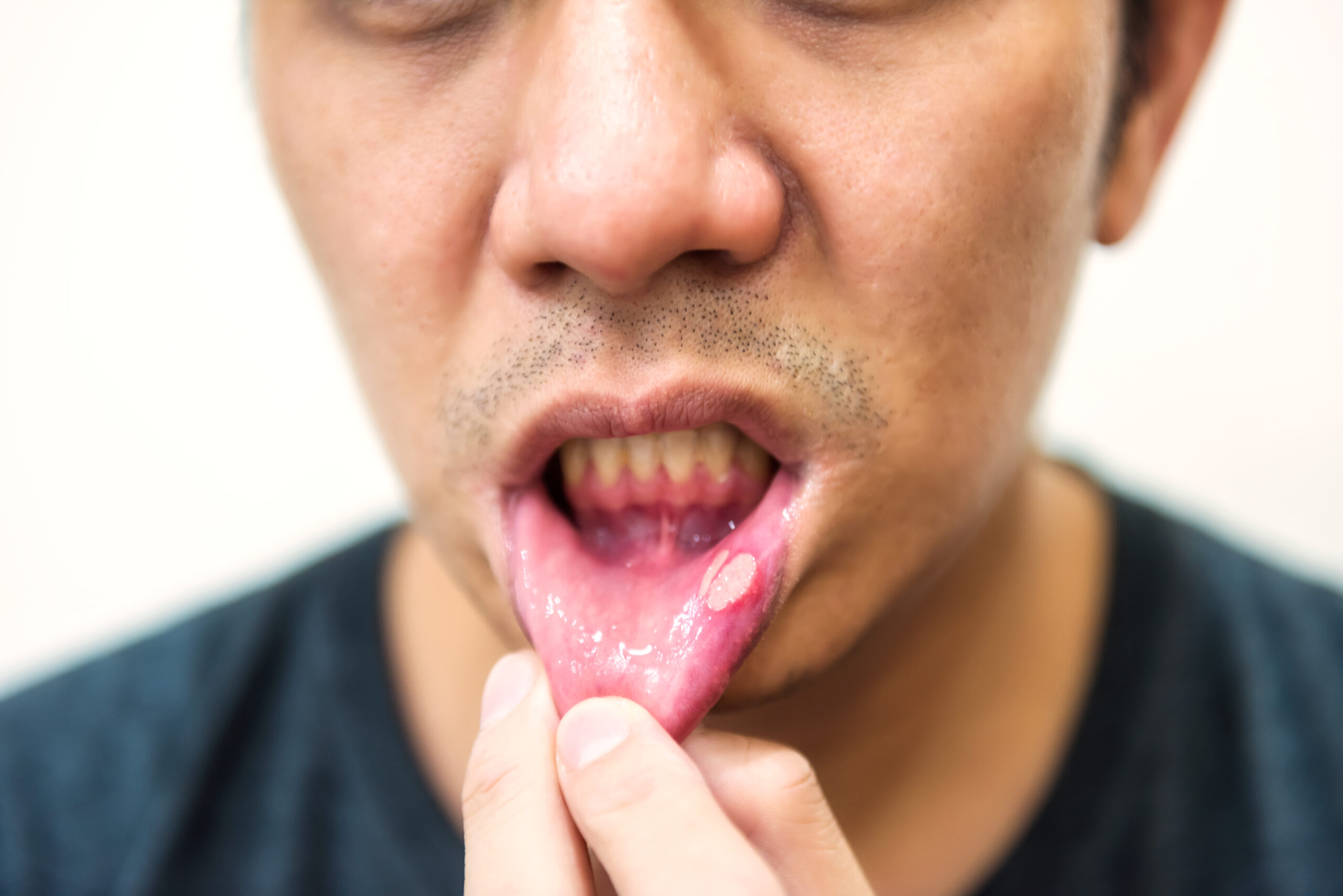
Mouth ulcers are tiny, painful sores which appear inside the mouth and can cause discomfort when eating, drinking, talking or brushing one’s teeth. While it is normal to have mouth ulcers from time to time, frequently getting them can have an impact on daily comfort, appetite and general well-being. At CCube Homoeopathy, with Dr Rashmi Chandwani’s guidance, it is an important element of a personalised approach to health to understand the pattern, frequency and possible triggers of recurrent mouth ulcers.
What are recurrent mouth ulcers?
Recurrent mouth ulcers, which are also referred to as recurrent aphthous ulcers or recurrent aphthous stomatitis, are painful sores that keep on appearing on the soft tissues within the mouth and are usually found on the inner cheeks, the lips, the tongue or the floor of the mouth. The ulcers may have a white or yellowish centre with a red border and can lead to a burning sensation, especially when eating spicy or acidic foods.
The majority of minor ulcers recover in one or two weeks, but in some cases people have frequent attacks with new ulcers showing up soon after an old one has healed. When talking about recurring problems, Dr Rashmi Chandwani from CCube Homoeopathy stresses how important it is to understand each individual’s particular symptom pattern and health history. Ulcers that recur should not be taken for granted as harmless, particularly if they last for a long time, grow abnormally large or appear together with other symptoms.
Why Do Mouth Ulcers Keep Recurring?
-
Nutritional Deficiencies
The presence of low concentrations of some nutrients, especially iron, vitamin B12, folate and zinc, could be a factor in the occurrence of frequent mouth ulcers. Since these nutrients are important for maintaining healthy tissue and carrying out the body’s normal functions, individuals who have restrictive diets, inadequate nutritional intake or suffer from conditions that interfere with nutrient absorption may be more prone to having repeated episodes.
CCube Homoeopathy, which is led by Dr Rashmi Chandwani, understands how important it is to talk about patients’ eating habits and their nutritional background when dealing with frequent oral problems. A well-balanced diet made up of sufficient protein, together with vegetables, fruits, whole grains and other foods that are rich in nutrients helps to promote general well-being. It is an important step in dealing with the issue to identify any possible deficiency when ulcers occur repeatedly.
-
Stress and emotional strain
Emotional stress, anxiety, insufficient sleep and physical exhaustion can cause mouth ulcers in people who are prone to them. Individuals sometimes find that the ulcers show up when they are going through busy times at work, during exams, because of problems in the family or due to a disturbed sleep schedule.
Dr. Rashmi Chandwani at CCube Homoeopathy promotes patients discussing their way of life, sleep habits and emotional well-being as part of a full consultation. By identifying patterns associated with personal stress, people may come to understand when their symptoms are more likely to appear and be able to spot ways of improving their daily routines.
-
Hormonal Changes
Certain people develop mouth ulcers repeatedly either at the time of their menstruation or during other changes in hormone levels. Those women who find there is a consistent link between their menstrual cycle and oral ulcers should consider maintaining a diary of their symptoms.
When looking at an individual’s health history, Dr Rashmi Chandwani of CCube Homoeopathy takes into account the timing of the symptoms, how often they occur and any other complaints that go with them. It is possible to detect patterns by noting the dates of ulcer outbreaks and of menstrual periods.
-
An accident-causing injury within the mouth
Constant irritation may cause harm to the sensitive lining of the mouth. Typical causes are biting by accident upon the cheek, brushing too hard, the edges of the teeth being sharp, rough fillings and dental appliances that fit poorly. At CCube Homoeopathy advises patients to notice the places where their ulcers occur and to consider whether they tend to appear in the same spot each time.
-
Sensitivities to food and food irritants
Some foods can cause or worsen ulcers in certain people, and the ones most frequently cited as triggers are spicy foods, citrus fruits, tomatoes, nuts, chocolate and other acidic or irritating foods. Moreover, toothpaste containing sodium lauryl sulphate can also exacerbate the symptoms in people who are susceptible.
Dr. Rashmi Chandwani together with the team at CCube Homoeopathy advise people to note their own personal triggers rather than unnecessarily removing large numbers of foods, and keeping a diary of the foods eaten and the symptoms experienced can help to identify possible connections and aid future discussions during a consultation.
-
Family history and individual susceptibility
People may be more likely to suffer from recurrent aphthous ulcers due to a genetic tendency or to individual variations in their immune response, and a family history of such episodes can be of use when evaluating recurring symptoms.
At CCube Homoeopathy Dr. Rashmi Chandwani takes into account the family history together with the patient’s symptoms, their general health and any previous episodes. It may be possible to gain a better understanding of why ulcers recur even if no specific trigger is apparent.
-
Associated Health Conditions
Occasional mouth ulcers may in some cases be linked to conditions including coeliac disease, inflammatory bowel disease or various immune-related disorders and medication-related reactions can also cause oral ulceration.
CCube Homoeopathy places emphasis on considering the entire clinical picture rather than treating each mouth ulcer as a separate issue. The quantity of the ulcers, their appearance, the length of time they persist, and whether or not any other symptoms are present can all offer important indications regarding the possible cause.
When should you go for medical attention? Warning signs
It is important to identify these warning signs if you are to protect both your oral and general health.
Consult us :
- If an ulcer continues for over three weeks, it should be examined even if it is not severely painful.
- Ulcers that are unusually large or deep may take a longer time to heal and can cause considerable discomfort.
- If there is repeated bleeding or the pain gets worse: an ulcer which bleeds or becomes more red over time should be evaluated.
- Trouble eating or drinking: Severe pain or difficulty in swallowing can result in dehydration or insufficient nutrition.
- The frequent occurrence of outbreaks without full recovery should be noted since new ulcers appear before the previous ones have healed.
- Ulcers associated with other symptoms such as fever, persistent diarrhoea, unexplained weight loss, skin lesions, genital ulcers or painful swollen joints might indicate an underlying illness.
Dr. Rashmi Chandwani at CCube Homoeopathy advises people not to ignore oral lesions that are persistent or unusual. Although similar sores have occurred before, persistent ulcers should not be taken for granted as being benign.
What can you do to decrease the number of mouth ulcers?
While it is not possible to prevent all episodes, it may be possible to reduce the number of recurrences by identifying the specific triggers and keeping healthy oral habits.
Eat a well-balanced diet by including a wide range of foods that are rich in nutrients and by avoiding crash dieting or unnecessary dietary restrictions. Practice good oral hygiene by using a toothbrush with soft bristles and not brushing too vigorously.
Deal with stress and get a good night’s sleep by setting up a regular sleep schedule and making time for some relaxing activities.
To prevent causing repeated irritation, you should note the presence of sharp teeth, rough dental surfaces and other causes of injury.
Keep a record of recurring episodes by noting the location, size, duration and frequency of the ulcers, as well as any related symptoms.
Dr. Rashmi Chandwani at CCube Homoeopathy stresses the importance of taking a thorough medical history when dealing with recurring complaints.
Frequently Asked Questions
Why do mouth ulcers keep coming back?
Recurrent mouth ulcers may be associated with nutritional deficiencies, stress, hormonal changes, accidental injuries inside the mouth, food sensitivities or individual susceptibility. At CCube Homoeopathy, Dr Rashmi Chandwani emphasises understanding the frequency, triggers and symptom patterns of recurring ulcers to support an individualised assessment.
Can homoeopathy help with recurrent mouth ulcers?
Yes. Homoeopathy follows an individualised approach that considers the person’s symptoms, health history and overall well-being. At CCube Homoeopathy, Dr Rashmi Chandwani focuses on understanding each patient’s concerns and symptom patterns.
Which symptoms are considered during a homoeopathic consultation for mouth ulcers?
A consultation may explore the location, size, appearance and duration of ulcers, along with burning sensations, pain, aggravating factors, recurrence patterns and associated symptoms. At CCube Homoeopathy, Dr Rashmi Chandwani considers these details when reviewing a patient’s concerns.
Can stress trigger recurrent mouth ulcers?
Stress and inadequate sleep may contribute to outbreaks in some susceptible individuals. Identifying periods of emotional strain and maintaining a consistent sleep routine may help people recognise their personal triggers. At CCube Homoeopathy we encourage patients to discuss their lifestyle and stress patterns during consultations with Dr Rashmi Chandwani.
Can nutritional deficiencies cause repeated mouth ulcers?
Yes. Low levels of iron, vitamin B12, folate and certain other nutrients may be associated with recurrent mouth ulcers. CCube Homoeopathy encourages patients to discuss their dietary habits and recurring symptoms with Dr Rashmi Chandwani so that possible contributing factors can be appropriately considered.
How can I reduce the chances of mouth ulcers recurring?
Maintaining a balanced diet, practising gentle oral hygiene, avoiding known food triggers, managing stress and keeping a symptom diary may help reduce episodes in some individuals. CCube Homoeopathy encourages a personalised understanding of recurring symptoms and healthy daily habits.
When should I be concerned about recurring mouth ulcers?
An ulcer lasting longer than three weeks, unusually large or frequently bleeding ulcers, difficulty swallowing, or ulcers accompanied by unexplained weight loss, persistent fever or other unusual symptoms. CCube Homoeopathy encourages patients to take these warning signs seriously and do consult us.
Why choose CCube Homoeopathy for a consultation about recurrent mouth ulcers?
At CCube Homoeopathy, under the guidance of Dr Rashmi Chandwani, emphasises individualised consultations, careful consideration of symptom history and patient education. The aim is to help patients understand their recurring complaints, recognise important warning signs and make informed decisions about their health.
The Role of Homoeopathy in an Individualised Approach
Homoeopathy makes use of an individualised assessment, focusing in the traditional way on the person’s symptoms, their general health, emotional experiences and the overall pattern of symptoms. At CCube Homoeopathy Dr Rashmi Chandwani adopts an approach which is focused on the individual in order to understand the patient’s concerns and the circumstances relating to recurring complaints.
When a person has recurring mouth ulcers, the consultation might look at how long each episode lasts, where and what way the sores appear, any related sensations, possible foods that trigger them, the person’s sleep patterns, their stress levels and any relevant medical history.
CCube Homoeopathy – The Benchmark
Patient education and one-on-one consultations are at the heart of CCube Homoeopathy’s approach to health and well-being. Heading the practice is Dr Rashmi Chandwani, who stresses the importance of understanding the individual’s symptoms, going over their relevant medical history and promoting informed conversations regarding any recurring health problems. For example, in the case of frequent mouth ulcers, this involves going beyond the immediate discomfort and taking into account how often the ulcers occur, possible nutritional factors, lifestyle habits, family history and any other symptoms that go with them.
CCube Homoeopathy holds that clear communication, a careful attention to each patient’s personal experience and proper health education are all essential parts of a worthwhile consultation. The most important priority is to identify potentially correctable causes, maintain good oral hygiene, support general well-being and recognise warning signs .Never ignore an ulcer that persists for more than three weeks, repeatedly bleeds or appears alongside unexplained systemic symptoms.