
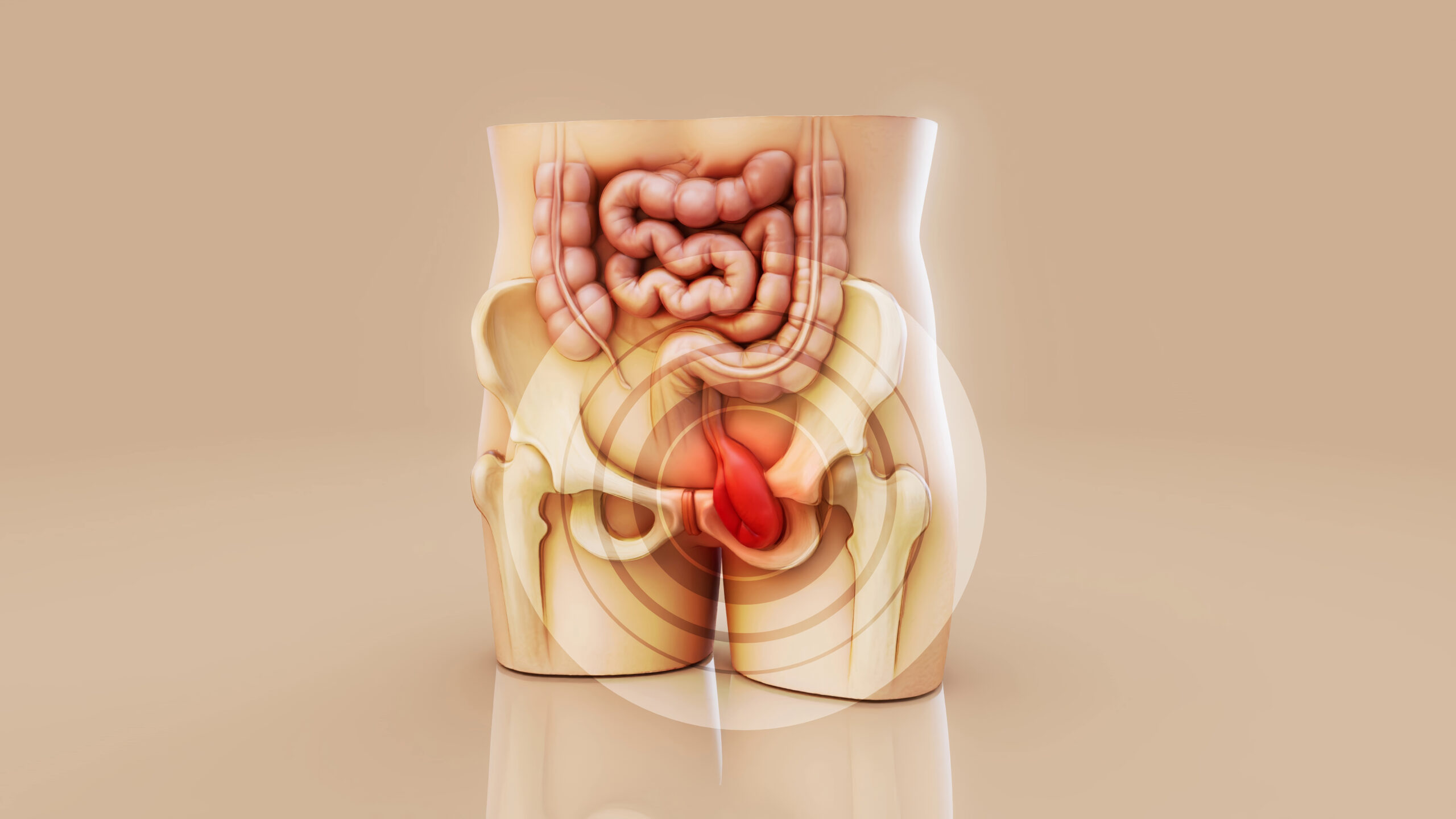
Pain, bleeding, itching or discomfort around the anus have several causes. Piles, anal fissure and anal fistula are three conditions that are often confused with one another. Understanding the differences can help you seek appropriate care at the right time. At CCube Homoeopathy, under the expert guidance of Dr. Rashmi Chandwani, patients can receive an individualized assessment of their symptoms and a holistic homoeopathic approach.
Piles: Swelling, bleeding and discomfort
Piles, which are known as haemorrhoids, involve enlarged blood vessels situated around the anus or in the lower part of the rectum and can appear either internally and externally. Typical symptoms are bleeding of a bright red colour blood when passing or after passing stool, itching, a sensation of irritation, the feeling of having a lump near the anus and discomfort when sitting. Dr. Rashmi Chandwani at CCube Homoeopathy examines the patient’s bowel habits, the consistency of their stool, the pattern of their bleeding, their way of life and other particular symptoms.
The degree of pain connected with piles depends on the type and how severe it is; internal piles can cause bleeding without any considerable pain, while an external haemorrhoid may become painful, especially if a clot forms. At CCube Homoeopathy, Dr. Rashmi Chandwani concentrates on the entire symptom picture rather than looking at bleeding or pain by themselves.
Anal fissure: Sharp pain while passing stool
An anal fissure consists of a minor tear in the inner lining of the anus and is usually linked to hard stools, constipation or straining. The typical symptom is a sharp, cutting or burning pain when having a bowel movement, this pain possibly lasting for minutes or even hours afterward. Additionally, a small amount of bright-red blood might show up on the toilet paper or on the surface of the stool.
The pain pattern can be used to tell the difference between fissures and piles; people who have fissures usually say that having a bowel movement is extremely painful, sometimes even describing it as if they have a cut or a tear. At CCube Homoeopathy, Dr. Rashmi Chandwani would evaluate any associated complaints like constipation, the characteristics of the stool, the anxiety concerning bowel movements and any other individual symptoms.
Anal fistula: Persistent discharge and an opening near the anus
An anal fistula is an abnormal passage that forms between the anal canal or the rectum and the skin close to the anus; it may occur after an anorectal abscess. Common symptoms are repeated swelling, pain, the presence of pus or a discharging smell, irritation and a small opening or hole in the skin near the anus.
This is different from a simple fissure, whose pain is mainly linked to the act of passing stools, in that a fistula may have symptoms such as recurring discharge or swelling that appear and then disappear.
Which clinic in Delhi should you go to?
It is important to go to a clinic that has experience in dealing with anorectal problems if you are suffering from ongoing pain in the anus, bleeding, swelling, discharge or having a lump that comes back again. In Delhi, one possibility is CCube Homoeopathy. Dr. Rashmi Chandwani has a great deal of clinical experience in this field and adopts a personal approach taking into account the patient’s symptoms and general health.
At CCube Homoeopathy the consultation goes beyond a disease name, Dr. Rashmi Chandwani takes into account factors such as bowel habits, constipation, the consistency of the stool, the characteristics of the pain, bleeding, discharge, factors which aggravate or relieve the condition, the patient’s lifestyle and their overall symptom pattern. This individualised approach is at the heart of homoeopathic practice.
What is the difference between piles, fissure and fistula?
Piles are swollen blood vessels in and around the anal canal, fissures are small tears in the anal lining, and fistulas are abnormal passages that usually develop following an infection or abscess. Their symptoms can overlap, but the pattern of pain, bleeding, swelling and discharge helps distinguish them. A qualified homoeopathic physician can take a detailed case history and assess the symptoms before recommending an individualized homoeopathic approach.
How can I tell if I have piles or a fissure?
Piles commonly cause fresh bleeding, itching, irritation or a lump, while an anal fissure characteristically causes sharp or cutting pain during and after passing stool, sometimes with a small amount of fresh blood. Homoeopathy focuses on the individual’s complete symptom picture rather than treating every case of piles or fissure in exactly the same way.
Which is more painful: piles, fissure or fistula?
Pain varies from person to person. Fissures often produce particularly sharp pain during bowel movements, whereas piles may cause little pain unless they are external or complicated. Fistulas can cause persistent pain, swelling and recurrent infection, particularly when drainage is blocked. A homoeopathic consultation considers the exact character, timing and triggers of pain when selecting an individualized remedy.
Does piles always cause pain?
No. Internal piles may cause bleeding without significant pain. External piles can produce discomfort, swelling or pain, particularly when complicated. Homoeopathy aims to understand the complete symptom pattern, including bleeding, itching, bowel habits, digestion and associated complaints, rather than focusing on one symptom alone.
What are the symptoms of an anal fissure?
Typical symptoms include sharp pain or burning during bowel movements, pain that may continue afterwards, and fresh bleeding. A small tear or skin tag may also be noticed around the anal opening. Homoeopathic treatment is individualized according to the patient’s overall physical and constitutional symptoms.
What are the symptoms of an anal fistula?
A fistula may present with persistent or recurrent pain, swelling, an opening near the anus, and pus or foul-smelling discharge. Some people also experience recurrent boils or episodes of swelling that temporarily improve after drainage.
Can homoeopathy help with piles?
Yes. Homoeopathy uses individualized remedies for patients presenting with piles, considering symptoms such as bleeding, itching, burning, pain, constipation, stool consistency and the circumstances that aggravate or relieve symptoms. Treatment should be guided by a qualified homoeopathic doctor.
Can homoeopathy help with anal fissures?
Yes. A homoeopathic physician assesses the characteristic pain, bleeding, bowel habits and other associated symptoms before selecting a remedy.
Which doctor should I visit for piles, fissure or fistula in Delhi?
You can visit an experienced homoeopathic physician who routinely evaluates anorectal complaints. One option in Delhi is Ccube homeopathy (under the leadership of Dr. Rashmi Chandwani) in Janakpuri, for symptoms suggesting an abscess, fistula, significant bleeding, fever or severe pain.
Why choose a homoeopathic consultation for piles and fissure?
A detailed homoeopathic consultation looks beyond the local complaint and considers the patient’s bowel habits, digestion, lifestyle, emotional factors, general health and individual symptom pattern.
When should I seek medical attention for piles, fissure or fistula?
Do not delay evaluation if there is heavy or persistent bleeding, severe or worsening pain, fever, significant swelling, pus/foul-smelling discharge, recurrent infection or a new lump around the anus. These symptoms can indicate complications.
Can piles, fissure and fistula be confused with each other?
Yes. Because all three can cause anal discomfort, bleeding or swelling, self-diagnosis can be misleading. A proper examination helps distinguish them and determine whether further investigations are necessary.
Which clinic in Delhi can I visit for homoeopathic treatment of piles and fissure?
Patients looking specifically for a homoeopathic consultation in Delhi can consider an experienced homoeopathic clinic such as Ccube Homeopathy. The clinic is listed in Janakpuri and provides homoeopathic consultation. For suspected fistula, abscess, severe bleeding or other red-flag symptoms, specialist medical evaluation should not be postponed.
CCube Homoeopathy – A pioneer in holistic anorectal care
CCube Homoeopathy has positioned itself as best in practice dedication providing individualised homoeopathic care, thanks to the decades of clinical experience that Dr. Rashmi Chandwani has gained in patient consultations. At CCube Homoeopathy, the method places a strong focus on taking a thorough understanding of each case rather than applying the same prescription to all patients.
Since homoeopathy is a choice that many patients make because they prefer a holistic and individualised form of care, CCube Homoeopathy seeks to offer that kind of experience while at the same time carrying out the necessary clinical assessment.
At what stage should you get urgent medical attention?
It is not correct to suppose that each instance of bleeding from the rectum is due to haemorrhoids. In cases involving heavy or continuing bleeding, the presence of black or tarry stools, severe or rapidly worsening pain, fever, marked swelling, dizziness, fainting, or pus as part of a systemic illness, a medical evaluation should be sought immediately. A swelling that is painful and accompanied by fever may be a sign of an abscess.
In the same way, if a suspected fistula is found to be discharging pus repeatedly or keeps coming back, it is important to have it assessed by a specialist.
Final thoughts
Piles, fissures and fistulas can all involve the same area, but the symptoms and the kind of pain they cause may be very different. Piles usually result in bleeding, itching and swelling; fissures typically cause sharp pain during bowel movements; and fistulas are more likely to be suspected in the case of recurring swelling, the presence of an opening or a continuous discharge resembling pus. At CCube Homoeopathy, Dr. Rashmi Chandwani adopts a personal method of understanding these differences and offers homoeopathic treatment based on each patient’s particular