Irregular periods concern many women of reproductive age, and one major cause of this issue is Polycystic Ovarian Disease (PCOD). While occasional changes in your menstrual cycle may not signal a serious problem, consistent irregular periods should be taken seriously. At CCube Homoeopathy, women seek holistic support for menstrual irregularities, hormonal imbalances, and PCOD-related symptoms under the guidance of Dr. Rashmi Chandwani. Knowing when to seek medical attention for irregular periods is the first step in protecting your long-term health.
What is PCOD?
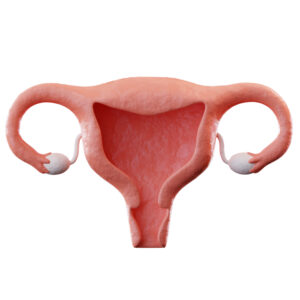
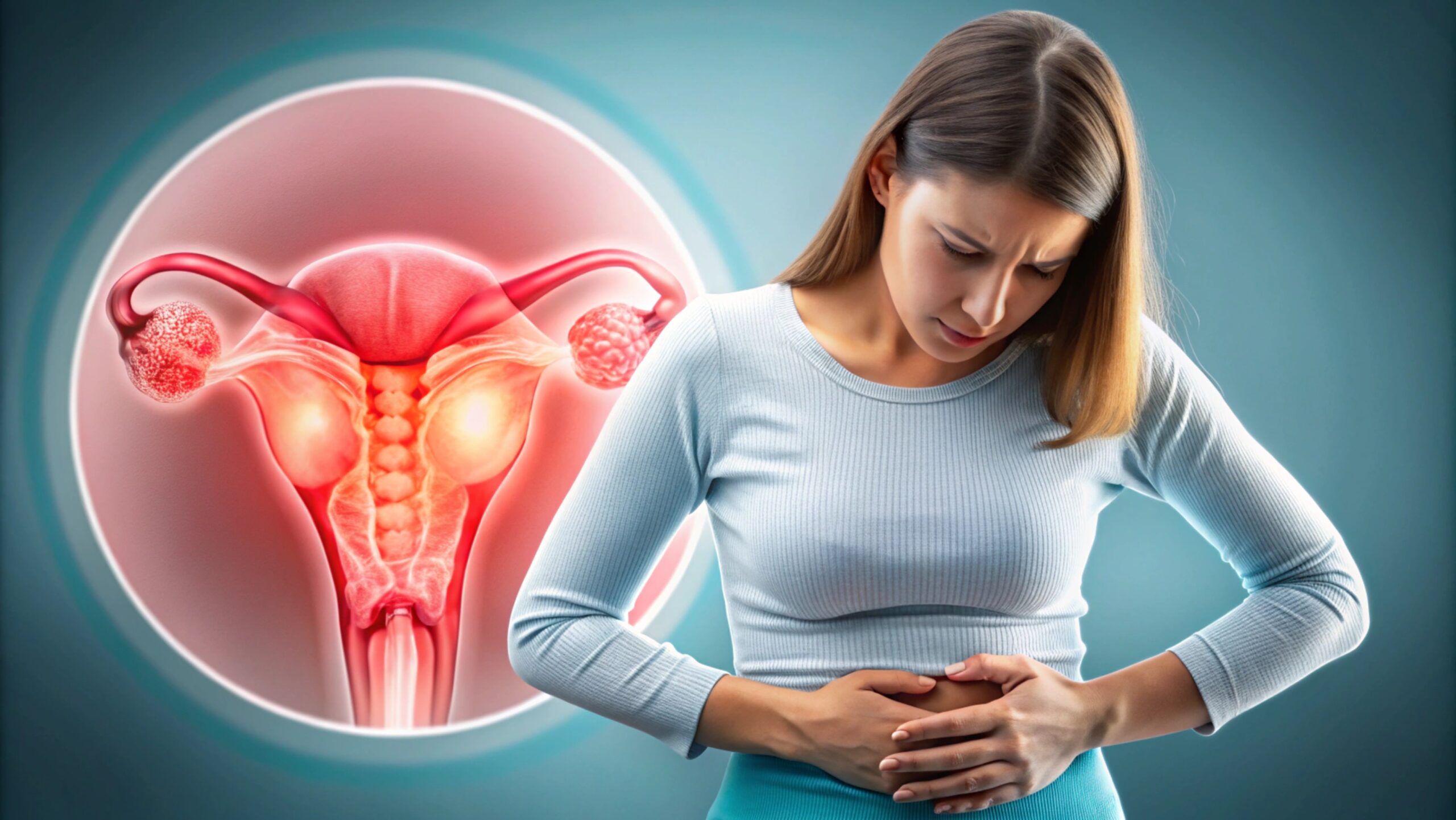
PCOD (Polycystic Ovarian Disease) is a hormonal disorder in which the ovaries produce immature or partially mature eggs that can develop into small cysts over time. This can disrupt ovulation and lead to hormonal imbalances. Dr. Rashmi Chandwani at CCube Homoeopathy explains that PCOD affects women differently. While some may only have irregular periods, others might deal with acne, weight gain, excessive facial hair, thinning hair, mood changes, or trouble conceiving. Identifying and managing symptoms early is vital for effective care.
Why Does PCOD Cause Irregular Periods?
A normal menstrual cycle lasts between 21 and 35 days. With PCOD, ovulation can often be irregular or may not happen every month. When ovulation is irregular, menstrual cycles become unpredictable. Some women may miss periods for months, while others might have prolonged or unusually heavy bleeding. Dr. Rashmi Chandwani emphasizes that understanding the hormonal imbalance, rather than just treating symptoms, is crucial for effective care at CCube Homoeopathy.
When Are Irregular Periods Considered Normal?
Occasional irregular periods can result from stress, travel, illness, significant weight changes, excessive exercise, or during adolescence and the years leading up to menopause. Missing a single period may not indicate PCOD. However, if irregular periods persist for several months or occur with other symptoms, they should be evaluated by a medical professional. Dr. Rashmi Chandwani at CCube Homoeopathy stresses that ongoing menstrual changes should be taken seriously, especially in young women who plan to have children.
When Should You Worry About Irregular Periods?
Certain warning signs indicate that irregular periods require prompt medical attention:
- You have not had a period for more than three months.
- Your menstrual cycles consistently last longer than 35 days or shorter than 21 days.
- You experience very heavy bleeding that requires frequent pad changes.
- Bleeding lasts longer than seven days.
- Severe pelvic pain is present with your periods.
- You notice excessive facial hair, acne, or thinning hair.
- You are trying to conceive but have irregular ovulation.
- You experience rapid weight gain or increasing insulin resistance.
- You have repeated miscarriages or infertility concerns.
Dr. Rashmi Chandwani advises that women visiting CCube Homoeopathy should not wait for symptoms to worsen, as early intervention can lead to better symptom management and enhanced quality of life.
Other Symptoms That Often Accompany PCOD
Irregular periods are just one aspect of PCOD. Many women also face ongoing acne, oily skin, unwanted facial or body hair, weight gain around the abdomen, difficulty losing weight, dark patches on the neck or underarms (acanthosis nigricans), mood swings, anxiety, fatigue, and thinning hair. Some may also develop insulin resistance, which raises their risk of type 2 diabetes over time. At CCube Homoeopathy, under Dr. Rashmi Chandwani, women are encouraged to consider the entire symptom picture and not just focus on menstrual irregularity.
Can Untreated PCOD Lead to Complications?
Ignoring PCOD can increase the risk of several long-term health issues. Hormonal imbalances can lead to infertility due to irregular ovulation. Women might also develop obesity, insulin resistance, type 2 diabetes, high cholesterol, fatty liver disease, high blood pressure, sleep problems, and a higher risk of endometrial thickening from prolonged lack of regular menstrual shedding. Dr. Rashmi Chandwani believes that timely lifestyle changes, medical evaluation, and personalized treatment can help reduce these risks. At CCube Homoeopathy, patient education is a crucial part of long-term hormonal health.
How is PCOD Diagnosed?
Diagnosis typically involves a thorough medical history, menstrual history, physical examination, pelvic ultrasound, and blood tests to assess hormone levels, thyroid function, blood sugar, and insulin resistance. No single test can confirm PCOD; doctors look at multiple factors before diagnosing. Dr. Rashmi Chandwani at CCube Homoeopathy also considers lifestyle, stress levels, sleep quality, family history, and personal characteristics when planning tailored care.
Lifestyle Changes That Support Hormonal Balance
Healthy lifestyle habits can greatly improve PCOD symptoms. Keeping a healthy weight, exercising regularly, eating a balanced diet rich in vegetables, fruits, lean protein, whole grains, and healthy fats, lowering refined sugar intake, getting enough sleep, and managing stress can all help improve menstrual regularity. Even modest weight loss can promote ovulation in overweight women. Dr. Rashmi Chandwani urges patients at CCube Homoeopathy to combine healthy habits with personalized medical care for better long-term results.
Homoeopathic Perspective on PCOD
Homoeopathy aims to treat the individual, not just the condition. In this field, medicines are chosen based on the patient’s physical symptoms, emotional health, menstrual patterns, sleep, cravings, stress levels, and overall constitution. Dr. Rashmi Chandwani believes that every woman with PCOD has a unique symptom profile, so treatment should be customized. At CCube Homoeopathy, thorough case-taking is essential for individualized homoeopathic care. Treatment should always be guided by a qualified practitioner, and women should maintain appropriate medical checks for PCOD and its related health risks.
Frequently Asked Questions (FAQs)
Is it normal to have irregular periods with PCOD?
Yes. Irregular or missed periods are one of the most common symptoms of PCOD due to hormonal imbalance that affects ovulation.
How many months without a period is concerning in PCOD?
If you have gone more than 3 months (90 days) without a period and are not pregnant, you should consult a doctor.
Can PCOD cause periods to stop completely?
Yes. Some women with PCOD may experience absent periods (amenorrhea) for several months because they do not ovulate regularly.
Can irregular periods due to PCOD affect fertility?
Yes. Irregular ovulation can make it more difficult to conceive, but many women with PCOD can achieve pregnancy with proper treatment and lifestyle changes.
Can stress make PCOD periods more irregular?
Yes. Stress can further disrupt hormone levels, making menstrual cycles even more irregular.
Does weight gain worsen PCOD-related irregular periods?
Yes. Weight gain and insulin resistance can worsen hormonal imbalance, leading to more irregular cycles.
Can weight loss help regulate periods in PCOD?
Yes. Even losing 5–10% of body weight may improve ovulation and help regulate menstrual cycles in many women with PCOD.
Is irregular bleeding always caused by PCOD?
No. Thyroid disorders, pregnancy, high prolactin levels, uterine fibroids, endometrial problems, and other hormonal conditions can also cause irregular bleeding.
What tests are done to diagnose PCOD?
Doctors may recommend:
- Pelvic ultrasound
- Hormone profile
- Blood sugar/HbA1c
- Insulin levels (in some cases)
- Thyroid function tests
- Prolactin levels
Can untreated PCOD lead to complications?
Yes. Untreated PCOD may increase the risk of infertility, type 2 diabetes, high cholesterol, endometrial hyperplasia, endometrial cancer, and cardiovascular disease.
How often should women with PCOD get their periods?
Ideally, women should have at least 4–6 menstrual cycles per year. Long gaps between periods should be evaluated by a healthcare professional.
Can teenagers have irregular periods because of PCOD?
Yes. However, irregular cycles are also common in the first few years after menarche, so proper medical evaluation is important before diagnosing PCOD.
Can PCOD be cured permanently?
PCOD is a long-term condition that can usually be managed effectively with healthy lifestyle changes, appropriate medical treatment, and regular follow-up, but there is no permanent cure
CCube Homoeopathy – The Pioneer in Holistic Women’s Hormonal Care
CCube Homoeopathy, led by Dr. Rashmi Chandwani, has become a trusted name for individualized homoeopathic care for women facing PCOD, irregular periods, hormonal imbalances, thyroid issues, menstrual disorders, and other chronic conditions. With years of clinical experience, Dr. Rashmi Chandwani focuses on understanding the root cause of each patient’s symptoms instead of following a one-size-fits-all approach. Each visit at CCube Homoeopathy includes a detailed evaluation of menstrual history, emotional health, lifestyle, family background, stress levels, sleep, dietary habits, and personal characteristics. This tailored approach allows for the creation of treatment plans specific to each woman. Patients also receive guidance on nutrition, exercise, stress management, weight control, and long-term hormonal health. The commitment of CCube Homoeopathy to compassionate care, patient education, and holistic management makes it a preferred choice for many women seeking help with PCOD and menstrual health under Dr. Rashmi Chandwani’s expert guidance.
Final Thoughts
Irregular periods should never be considered “normal” if they persist for several months or come with symptoms like acne, unwanted hair growth, weight gain, infertility, or prolonged absence of menstruation. Early evaluation allows for timely diagnosis and appropriate management, which can reduce the risk of future complications. Every woman’s hormonal health is unique, and personalized care is essential for achieving the best outcomes. Dr. Rashmi Chandwani and the dedicated team at CCube Homoeopathy believe that education, healthy lifestyle choices, regular monitoring, and tailored homoeopathic care are vital for supporting women with PCOD. If you experience ongoing menstrual irregularities or suspect PCOD, consult a qualified healthcare professional for a proper diagnosis and treatment. Taking early action can safeguard your reproductive and metabolic health, along with your overall well-being for years to come. With the holistic approach at CCube Homoeopathy and Dr. Rashmi Chandwani’s patient-centered methods, women are empowered to understand their bodies, make informed decisions, and work towards better hormonal balance and a healthier future.