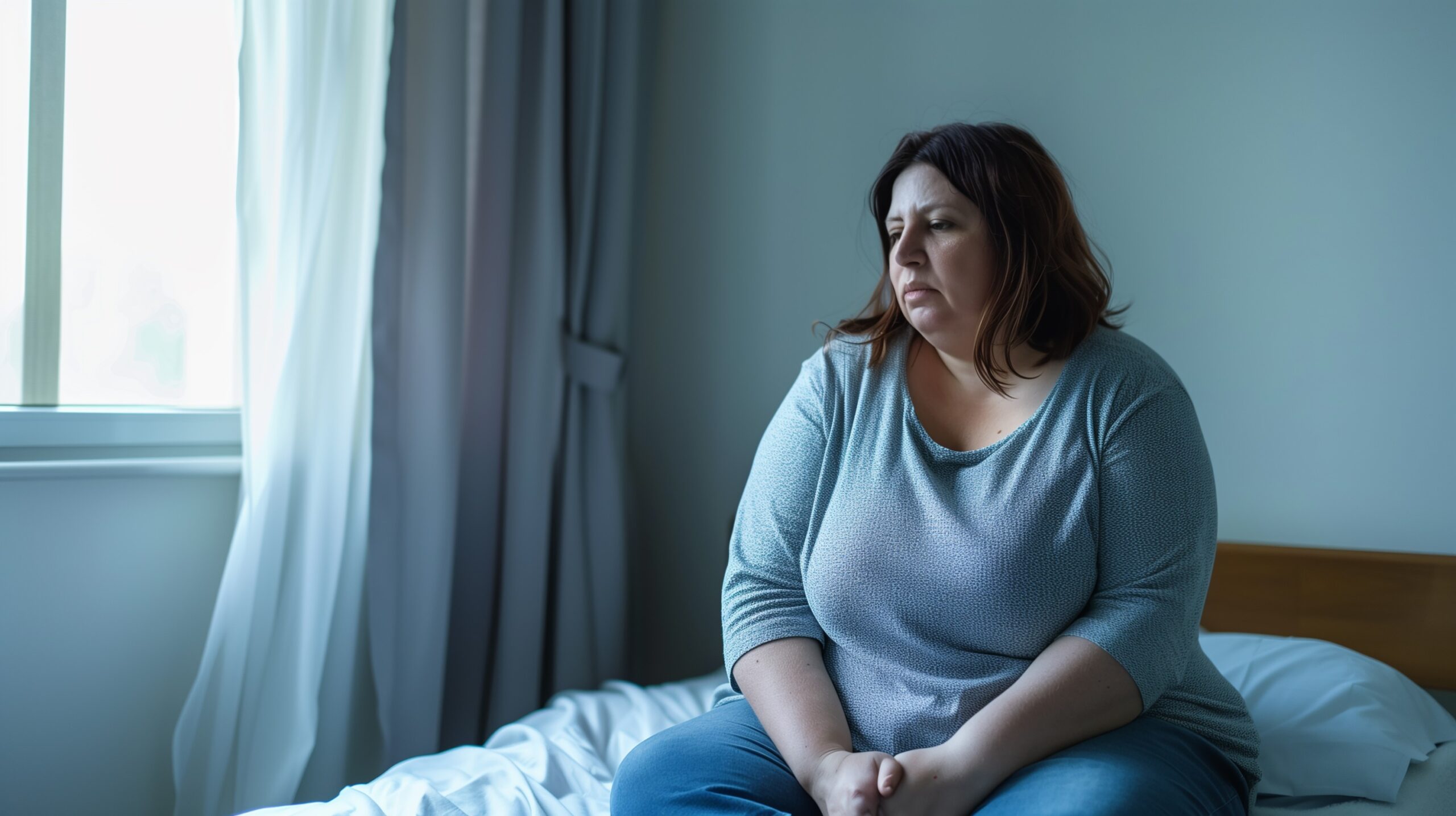
Polycystic Ovarian Disease (PCOD) is one of the most common hormonal disorders affecting women of reproductive age. While irregular periods and acne are often seen as the main symptoms, many women first notice an unexplained increase in body weight. This raises an important question: Can weight gain be the first sign of PCOD? The answer is yes. Although not all women with PCOD gain weight, sudden or ongoing weight gain, especially around the abdomen, can be one of the earliest signs of hormonal changes. Recognizing this symptom early can help in timely diagnosis and management, reducing the risk of long-term complications.
Understanding PCOD
PCOD is a hormonal imbalance where the ovaries produce higher-than-normal levels of androgens (male hormones). These hormonal changes can interfere with ovulation, leading to irregular menstrual cycles and the formation of multiple small follicles in the ovaries. Beyond reproductive health, PCOD affects metabolism, insulin sensitivity, skin, hair, and body weight. Since the symptoms develop gradually, many women overlook the early signs until they become more pronounced.
Why Does Weight Gain Happen in PCOD?
One major reason for weight gain in PCOD is insulin resistance. Insulin is a hormone that helps glucose enter the body’s cells for energy. In many women with PCOD, the body becomes less responsive to insulin, causing the pancreas to produce more of it. High insulin levels encourage the body to store excess fat, especially around the waist and abdomen.
Additionally, hormonal imbalances can slow metabolism, increase cravings for sugary or high-calorie foods, and make losing weight more difficult. Even women who eat healthily and exercise regularly may find themselves gaining weight for no clear reason.
Can Weight Gain Be the First Symptom?
Yes. For some women, weight gain occurs months before other symptoms become clear. They may notice:
- Clothes becoming tighter, especially around the waist.
- Difficulty losing weight despite diet and exercise.
- Increased abdominal fat.
- Persistent fatigue along with weight gain.
- Increased hunger or cravings.
Since these changes are often linked to stress, poor lifestyle choices, or aging, PCOD may go undiagnosed for years. If unexplained weight gain occurs with menstrual irregularities or other hormonal symptoms, a medical evaluation is advised.
Other Early Signs of PCOD
While weight gain can be the first sign, it is usually followed by other symptoms, including:
- Irregular or missed periods.
- Acne or oily skin.
- Excess facial or body hair (hirsutism).
- Hair thinning or scalp hair loss.
- Darkened skin around the neck, underarms, or groin (acanthosis nigricans).
- Difficulty conceiving.
- Mood swings, anxiety, or low mood.
Not every woman experiences the same symptoms, and the severity varies from person to person.
Is Every Woman with PCOD Overweight?
No. A common misconception is that all women with PCOD are overweight. In reality, many women have lean PCOD, where they have a normal body weight but still face hormonal imbalance, irregular periods, and ovulation issues. Thus, the absence of weight gain does not rule out PCOD, just as the presence of weight gain does not automatically mean a diagnosis.
Why Early Diagnosis Matters
Ignoring unexplained weight gain and other subtle symptoms can delay diagnosis and treatment. Untreated PCOD may increase the risk of:
- Type 2 diabetes.
- High cholesterol.
- High blood pressure.
- Infertility.
- Endometrial problems from prolonged irregular periods.
- Sleep disturbances.
- Anxiety and depression.
Early diagnosis allows for timely lifestyle changes and appropriate medical care, improving both reproductive and overall health.
Lifestyle Measures That Can Help
Lifestyle changes are the foundation of PCOD management. Helpful actions include:
- Eating a balanced diet rich in vegetables, fruits, lean proteins, whole grains, and healthy fats.
- Limiting sugary drinks, processed foods, and refined carbohydrates.
- Exercising regularly through walking, cycling, strength training, or yoga.
- Getting adequate sleep.
- Managing stress through mindfulness, meditation, or relaxation techniques.
- Monitoring weight and menstrual cycles consistently.
Even a modest weight loss can improve hormonal balance and menstrual regularity for many women with PCOD.
Homeopathic Perspective
Homeopathy takes an individualized approach to manage PCOD. Instead of focusing on just one symptom, it considers the patient’s complete physical, emotional, hormonal, and overall profile before choosing a remedy. Factors such as menstrual history, emotional health, family history, lifestyle, food preferences, sleep patterns, and related issues are assessed. Homeopathic treatment should always be under the guidance of a qualified homeopathic physician, while maintaining regular gynecological follow-ups and necessary investigations.
FAQ’s
Can weight gain be the first sign of PCOD?
Yes. For some women, unexplained weight gain especially around the abdomen can be one of the earliest signs of PCOD. However, not everyone with PCOD gains weight.
Why does PCOD cause weight gain?
PCOD is often associated with insulin resistance and hormonal imbalance, which can make it easier to gain weight and harder to lose it.
Can you have PCOD without weight gain?
Yes. Many women with PCOD have a normal BMI or are lean. Weight gain is common but not essential for the diagnosis.
What are the first symptoms of PCOD?
Early symptoms may include irregular periods, acne, excessive facial or body hair, weight gain, scalp hair thinning, difficulty losing weight, and ovarian cysts on ultrasound.
How much weight gain is common in PCOD?
Weight gain varies widely. Some women gain only a few kilograms, while others experience more significant weight gain due to insulin resistance and lifestyle factors.
Does losing weight improve PCOD symptoms?
Yes. Even a modest weight loss of 5–10% of body weight can improve menstrual regularity, insulin sensitivity, and ovulation in many women with PCOD.
How is PCOD diagnosed?
Doctors diagnose PCOD based on medical history, symptoms, physical examination, blood tests to assess hormone levels, and pelvic ultrasound when appropriate.
Can PCOD cause belly fat?
Yes. Women with PCOD often develop increased abdominal fat due to insulin resistance and hormonal changes.
Can homoeopathy help in managing PCOD?
Some women choose homoeopathy as a complementary approach for managing PCOD symptoms. Individualized homoeopathic treatment may be used alongside healthy lifestyle measures. It should not replace evidence-based medical evaluation and treatment, especially when fertility, diabetes risk, or other complications are involved.
What foods should I avoid if I have PCOD?
Limiting sugary drinks, refined carbohydrates, ultra-processed foods, and excessive saturated fats may help improve insulin sensitivity. A balanced diet rich in protein, fiber, whole grains, fruits, and vegetables is generally recommended.
Can stress make PCOD symptoms worse?
Stress may worsen hormonal imbalance and affect menstrual cycles, sleep, eating habits, and weight management, which can aggravate PCOD symptoms.
When should I see a doctor for suspected PCOD?
You should consult a doctor if you have irregular periods, unexplained weight gain, excessive hair growth, persistent acne, difficulty conceiving, or other symptoms suggestive of PCOD. Early diagnosis and appropriate management can help reduce the risk of long-term complications.
CCube Homeopathy – The Pioneer in Personalized PCOD Care
CCube Homeopathy is recognized as a leader in providing individualized homeopathic care for women with PCOD and other chronic hormonal disorders. Under Dr. Rashmi Chandwani’s experienced leadership, every patient goes through a thorough consultation that focuses on menstrual irregularities, weight changes, emotional well-being, stress levels, dietary habits, metabolic health, sleep patterns, family history, and overall constitution. This detailed process helps identify the unique factors contributing to each patient’s condition instead of taking a one-size-fits-all approach.
At CCube Homeopathy, treatment plans are tailored to the individual’s symptoms and overall health. The clinic emphasizes patient education, healthy lifestyle guidance, nutritional awareness, regular follow-ups, and long-term monitoring along with individualized homeopathic management. Women are encouraged to understand their condition, recognize early symptoms, and actively improve their health through sustainable lifestyle changes. With its patient-focused approach, comprehensive evaluations, and compassionate care, CCube Homeopathy supports women in managing PCOD with a holistic method aimed at enhancing overall well-being and quality of life.
Final Thoughts
Weight gain can be one of the earliest signs of PCOD, particularly when it happens without any clear changes in diet or physical activity. While many women link PCOD solely to irregular periods, hormonal changes often start much earlier and can first show up as increasing abdominal fat, constant fatigue, or trouble losing weight. Paying attention to these subtle changes can lead to earlier diagnosis and better management.
It is equally important to understand that PCOD affects each woman differently. Some may gain significant weight, while others keep a normal weight but still have hormonal issues. Therefore, unexplained weight gain should not be ignored, especially if accompanied by irregular menstrual cycles, acne, excessive hair growth, or hair thinning. Consulting a healthcare professional for a proper evaluation, including examination and necessary tests, is the best way to confirm the diagnosis.
With early detection, healthy lifestyle changes, regular exercise, balanced nutrition, stress management, and appropriate medical care, most women with PCOD can manage their symptoms and lower the risk of long-term problems. Individualized homeopathic care may also be a valuable part of an overall management plan under a qualified homeopathic physician. Taking action early empowers women to take control of their hormonal health, improve their quality of life, and work toward better long-term physical and reproductive well-being.