Chronic constipation is a common digestive problem that affects millions of people worldwide. Many wonder if long-term constipation can lead to serious anorectal issues like fistula. At Ccube homoeopathy, Dr. Rashmi Chandwani often educates patients about maintaining healthy bowel habits and addressing constipation early to avoid complications. Understanding the link between chronic constipation and fistula can help people take steps toward better digestive and anal health.
Understanding Chronic Constipation
Chronic constipation is a condition marked by infrequent bowel movements, difficulty passing stools, excessive straining, or a feeling of not fully emptying for several weeks or months. Dr. Rashmi Chandwani at Ccube homoeopathy explains that constipation may result from not enough fiber, dehydration, a lack of physical activity, stress, hormonal changes, or some medications. If left untreated, chronic constipation can greatly affect quality of life and lead to various anorectal disorders.
What is an Anal Fistula?
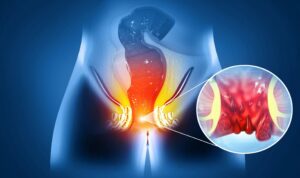
An anal fistula is an abnormal tunnel-like connection between the anal canal and the skin around the anus. Dr. Rashmi Chandwani often explains that fistulas usually develop after an anal gland infection leads to an abscess. When the abscess drains or bursts, a tract can form, creating a fistula. Symptoms may include pain, swelling, pus discharge, irritation, and repeated infections in the anal area.
Can Chronic Constipation Directly Cause a Fistula?
The main cause of a fistula is usually an anal gland infection that results in abscess formation. However, chronic constipation can create conditions that raise the risk of anorectal issues, which may indirectly lead to complications in the anal area.
How Chronic Constipation Increases the Risk of Anorectal Problems?
Frequent straining during bowel movements is a common aspect of chronic constipation. Dr. Rashmi Chandwani emphasizes that repeated straining puts excessive pressure on the rectal and anal tissues. Over time, this pressure may lead to hemorrhoids, anal fissures, inflammation, and tissue damage. These issues can weaken the protective barriers of the anal region, raising the risk of infections.
The Connection Between Anal Fissures and Infection
One major complication of chronic constipation is the formation of anal fissures. Dr. Rashmi Chandwani explains that hard stools can cause small tears in the anus lining. These fissures can result in pain and bleeding and may sometimes become infected. While fissures do not directly lead to fistulas, recurrent infections in the anorectal area might increase the chance of abscess formation, which can eventually progress to a fistula.
Role of Chronic Inflammation
Chronic constipation can cause ongoing irritation and inflammation of the rectal and anal tissues. Dr. Rashmi Chandwani notes that chronic inflammation may hinder tissue healing and make the area more susceptible to bacterial invasion. Although inflammation alone does not directly lead to a fistula, it may create conditions where infections are more likely to happen.
Other Common Causes of Anal Fistula
Dr. Rashmi Chandwani informs patients that fistulas can also arise from several other conditions. These include anal abscesses, inflammatory bowel diseases like Crohn’s Disease, tuberculosis, trauma, past surgeries, and certain infections. Identifying the underlying cause is crucial for proper management and preventing recurrence.
Warning Signs That Need Medical Attention
People with chronic constipation should seek medical help if they experience symptoms like severe anal pain, persistent swelling, pus discharge, fever, recurring abscesses, or bleeding. Dr. Rashmi Chandwani advises that early diagnosis can help prevent complications and improve treatment outcomes. Ignoring symptoms may allow infections to worsen and increase the risk of fistula formation.
Prevention of Chronic Constipation
Preventing constipation is one of the best ways to maintain anorectal health. Dr. Rashmi Chandwani recommends eating a fiber-rich diet that includes fruits, vegetables, whole grains, seeds, and legumes. Sufficient fiber helps soften stools and encourages regular bowel movements, reducing the need for excessive straining.
Importance of Hydration
Proper hydration is important for digestive health. Dr. Rashmi Chandwani encourages patients to drink enough water throughout the day. Adequate fluid intake helps keep stools soft and supports smooth bowel movements. Dehydration can worsen constipation and create discomfort during bowel movements.
Benefits of Regular Physical Activity
Exercise is another key factor in preventing constipation. Dr. Rashmi Chandwani emphasizes that regular physical activity boosts intestinal movement and supports healthy digestion. Activities like walking, yoga, cycling, and swimming can significantly improve bowel regularity and overall well-being.
Healthy Bowel Habits
Building healthy bowel habits is essential for long-term digestive health. Dr. Rashmi Chandwani advises people not to ignore the urge to pass stools. Delaying bowel movements can lead to harder stools and increased straining. Setting a consistent bathroom routine can support regular bowel function.
Stress Management and Digestive Health
Stress can negatively impact digestive function and contribute to constipation in some individuals. Dr. Rashmi Chandwani suggests including stress-reducing activities like meditation, deep breathing exercises, and getting enough sleep. Managing stress can help digestion and improve bowel regularity.
Frequently Asked Questions
What is an anal fistula?
An anal fistula is an abnormal tunnel that develops between the inside of the anal canal and the skin around the anus. It usually develops after an anal abscess fails to heal completely.
What are the symptoms of an anal fistula?
Common symptoms include:
- Pain and swelling around the anus
- Pus or blood discharge
- Irritation and itching
- Recurrent abscesses
- Pain during bowel movements
- Fever in some cases
How does constipation affect anorectal health?
Chronic constipation can lead to excessive straining, hard stools, fissures, hemorrhoids, and local irritation. These conditions increase the risk of infections and complications if not managed properly.
Can a fissure turn into a fistula?
A fissure and a fistula are different conditions. While a fissure does not usually become a fistula, chronic fissures can sometimes become infected, potentially increasing the risk of abscess formation.
What are the main causes of anal fistula?
Common causes include:
- Anal abscesses
- Crohn’s disease
- Tuberculosis
- Trauma to the anal region
- Previous anorectal surgery
- Chronic infections
How can chronic constipation be prevented?
- Eat a high-fiber diet
- Drink adequate water
- Exercise regularly
- Avoid delaying bowel movements
- Manage stress
- Maintain a healthy lifestyle
Can homoeopathy help in managing chronic constipation?
Homoeopathy aims to support digestive health through individualized treatment. Many people seek homoeopathic care for chronic constipation to improve bowel regularity and overall digestive well-being. Treatment should always be guided by a qualified homoeopathic practitioner.
Which lifestyle changes can help reduce the risk of fistula recurrence?
- Prevent constipation
- Maintain good anal hygiene
- Eat a fiber-rich diet
- Stay hydrated
- Exercise regularly
When should I consult a doctor for constipation?
You should seek medical advice if constipation:
- Lasts for several weeks
- Is associated with bleeding
- Causes severe pain
- Leads to unexplained weight loss
- Is accompanied by persistent changes in bowel habits
Can early management of constipation help prevent complications?
Yes. Proper management of constipation may reduce straining, decrease the risk of fissures and hemorrhoids, and help maintain better anorectal health, potentially lowering the chances of complications associated with chronic bowel dysfunction
Dr. Rashmi Chandwani – A Pioneer in Holistic Patient Care
Dr. Rashmi Chandwani, the leader at Ccube homoeopathy, has gained recognition for her patient-centered approach and dedication to holistic healthcare. Over the years, she has helped many patients with digestive disorders, chronic constipation, piles, fissures, and other anorectal problems. Through her extensive clinical experience, Dr. Chandwani focuses on managing symptoms and identifying root causes. At Ccube homoeopathy, she emphasizes lifestyle changes, dietary improvements, preventive care, and long-term wellness strategies. Her commitment to compassionate care, personalized treatment plans, and patient awareness has made her a trusted name for those seeking help with chronic digestive and anorectal issues. By promoting preventive healthcare and encouraging healthy habits, Dr. Chandwani inspires patients to take control of their health and achieve lasting well-being.
Final Thoughts
Chronic constipation may not directly cause an anal fistula, but it can contribute to conditions that raise the risk of anorectal complications. Excessive straining, anal fissures, inflammation, and recurrent infections can create situations that favor abscess formation and potentially lead to fistulas. Dr. Rashmi Chandwani emphasizes the importance of early intervention, proper dietary habits, adequate hydration, regular exercise, and timely medical evaluation of symptoms.
Maintaining healthy bowel habits is one of the best ways to protect anorectal health and prevent complications. If constipation persists or is linked with pain, bleeding, swelling, or discharge, getting professional guidance is essential. With awareness, preventive measures, and expert support from Ccube homoeopathy and Dr. Rashmi Chandwani, individuals can effectively manage constipation, lower the risk of complications, and enjoy a healthier digestive system for years to come.