Asthma is a condition characterized by airway inflammation and hyper-responsiveness, leading to episodes of wheezing, breathlessness, chest tightness, and coughing. These Asthma Symptoms may appear occasionally but should never be ignored. Asthma is often misunderstood as a condition that only becomes dangerous during dramatic attacks, when wheezing is loud, breathing is noticeably difficult, and emergency inhalers are urgently needed. However, asthma can quietly worsen through symptoms that seem mild, harmless, or easy to ignore. These subtle signs are often the body’s early warnings that something deeper is wrong.
Ignoring these early warning signs can lead to severe flare-ups, long-term lung damage, or even life-threatening complications. At Ccube Homoeopathy, under the guidance of Dr. Rashmi Chandwani, patients often realize that what they thought were “normal” or “manageable” symptoms were actually important warning signs. Understanding these mild-looking symptoms is essential for early intervention, better control, and long-term healing.
1. Occasional Shortness of Breath During Routine Activities
Feeling slightly breathless while climbing stairs, walking briskly, or doing household chores may seem normal, especially if it happens only occasionally. Many people attribute it to lack of fitness, weight gain, stress, or aging. However, for someone with asthma, this can be an early sign of airway inflammation.
When asthma is not well controlled, the airways remain chronically inflamed even without a full-blown attack. This silent inflammation reduces lung capacity over time. Dr. Rashmi Chandwani emphasizes that frequent “minor” breathlessness should never be ignored, as it often precedes worsening asthma episodes.
2. Night-Time Cough That Comes and Goes
A mild cough at night is one of the most overlooked asthma symptoms. Many people assume it is due to acidity, allergies, cold air, or post-nasal drip. However, asthma-related cough often worsens at night because of changes in airway tone and increased sensitivity. If you notice repeated episodes of dry cough that disturb sleep, even if wheezing is absent, it may indicate poorly controlled asthma. Persistent night-time symptoms suggest that inflammation is active and the condition is progressing.
3. Chest Tightness Without Pain
Chest tightness that feels like pressure, heaviness, or a band around the chest is another subtle but serious symptom. Since it doesn’t always come with pain, people often dismiss it as anxiety, gas, or muscle tension. In asthma, chest tightness signals narrowing of the airways. At Ccube Homoeopathy, patients report this symptom long before severe attacks occur. Dr. Rashmi Chandwani considers this as one of the warning sign that needs attention before the condition escalates.
4. Increased Reliance on Inhalers
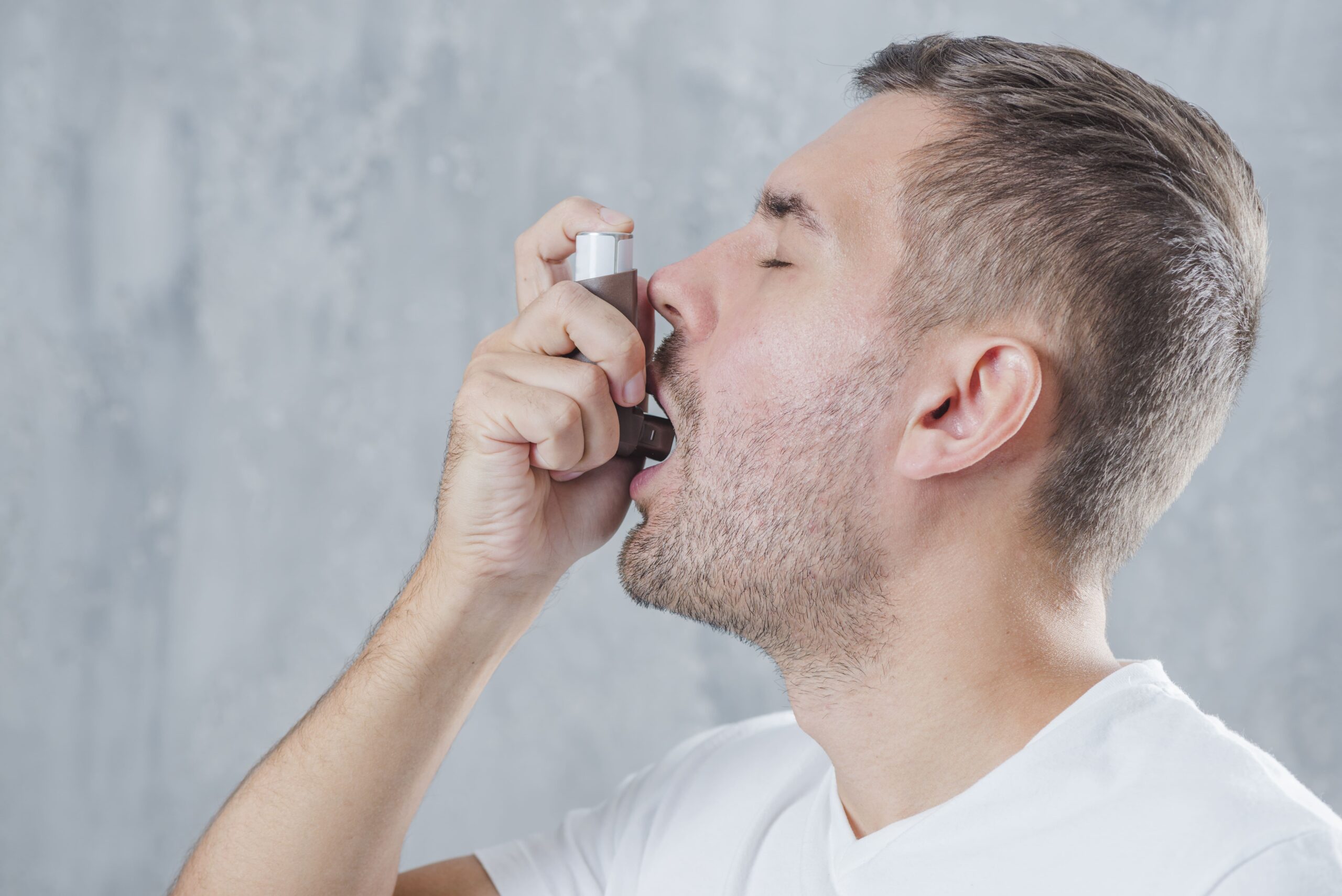
Using a rescue inhaler “just once in a while” may seem acceptable, but increasing reliance—even if symptoms feel mild—signals loss of asthma control. If relief from inhalers becomes short-lived or more frequent doses are needed, it indicates deeper airway inflammation. Asthma management is not just about quick relief; it’s about reducing the need for emergency medication. Frequent inhaler use without addressing the root cause can mask worsening disease rather than heal it.
5. Fatigue and Low Energy Levels
Asthma doesn’t only affect the lungs—it affects the entire body. Mild but persistent fatigue can result from poor oxygen exchange due to partially blocked airways. Many patients feel tired without understanding why, especially if they are not experiencing classic asthma attacks. Dr. Rashmi Chandwani often explains that when the body constantly struggles for optimal breathing, even subconsciously, energy levels drop. This symptom is subtle but significant.
6. Frequent “Colds” That Settle in the Chest
People with asthma may notice that simple colds linger longer or quickly turn into chest congestion, wheezing, or cough. While this may seem like weak immunity, it often reflects hypersensitive airways. Recurring chest infections or prolonged recovery times are strong signs that asthma is not under proper control and requires deeper therapeutic intervention.
7. Emotional Triggers Causing Breath Changes
Mild breathlessness during stress, anxiety, laughter, or emotional situations is often overlooked. Many patients assume it is psychological. However, emotions can directly influence asthma by triggering bronchial constriction. At Ccube Homoeopathy, emotional sensitivity is an important part of asthma assessment, as unresolved emotional stress can quietly aggravate physical symptoms.
Why Mild Symptoms Should Never Be Ignored
Asthma progression is often silent. The absence of dramatic attacks does not mean the disease is under control. Mild symptoms are the body’s way of communicating an imbalance. When addressed early, asthma outcomes improve significantly, and quality of life is maintained. Dr. Rashmi Chandwani strongly advocates for early, holistic intervention to prevent airway remodeling, chronic inflammation, and reduced lung function. These conditions can become irreversible if ignored.
How do I know if my asthma is serious?
When asthma is getting worse quickly, chest tightness or pain, severe shortness of breath, wheezing when exhaling, breathing is faster or slower than normal, breathing may be hard or shallow.
A Holistic Approach at Ccube Homoeopathy
At Ccube Homoeopathy, asthma is not treated as just a respiratory condition but as a complex imbalance involving the body, mind, immunity, and environmental sensitivity. Under the expert guidance of Dr. Rashmi Chandwani, treatment focuses on identifying the root cause of asthma rather than suppressing symptoms. Every patient receives personalized care based on symptom patterns, triggers, emotional makeup, and overall constitution.
Homoeopathic medicines aim to reduce airway hypersensitivity, strengthen lung function, improve immunity, and gradually decrease dependency on inhalers. What sets Ccube Homoeopathy apart is its commitment to long-term healing—addressing mild symptoms before they develop into serious complications. Patients are educated to recognize early warning signs, empowering them to take control of their health naturally and safely.
Final Thoughts
Asthma does not always shout; sometimes it whispers. Mild Asthma Symptoms like occasional breathlessness, night-time cough, chest tightness, or unexplained fatigue are not harmless inconveniences—they are early warning signs. Paying attention to these signals can prevent severe attacks and long-term damage. With the right guidance, awareness, and holistic care, asthma can be managed effectively and gently.
Ccube Homoeopathy, led by Dr. Rashmi Chandwani, offers a caring and root-cause-oriented approach that helps patients go beyond symptom relief toward lasting balance and respiratory well-being. Listening to your body today can protect your breath for years to come.