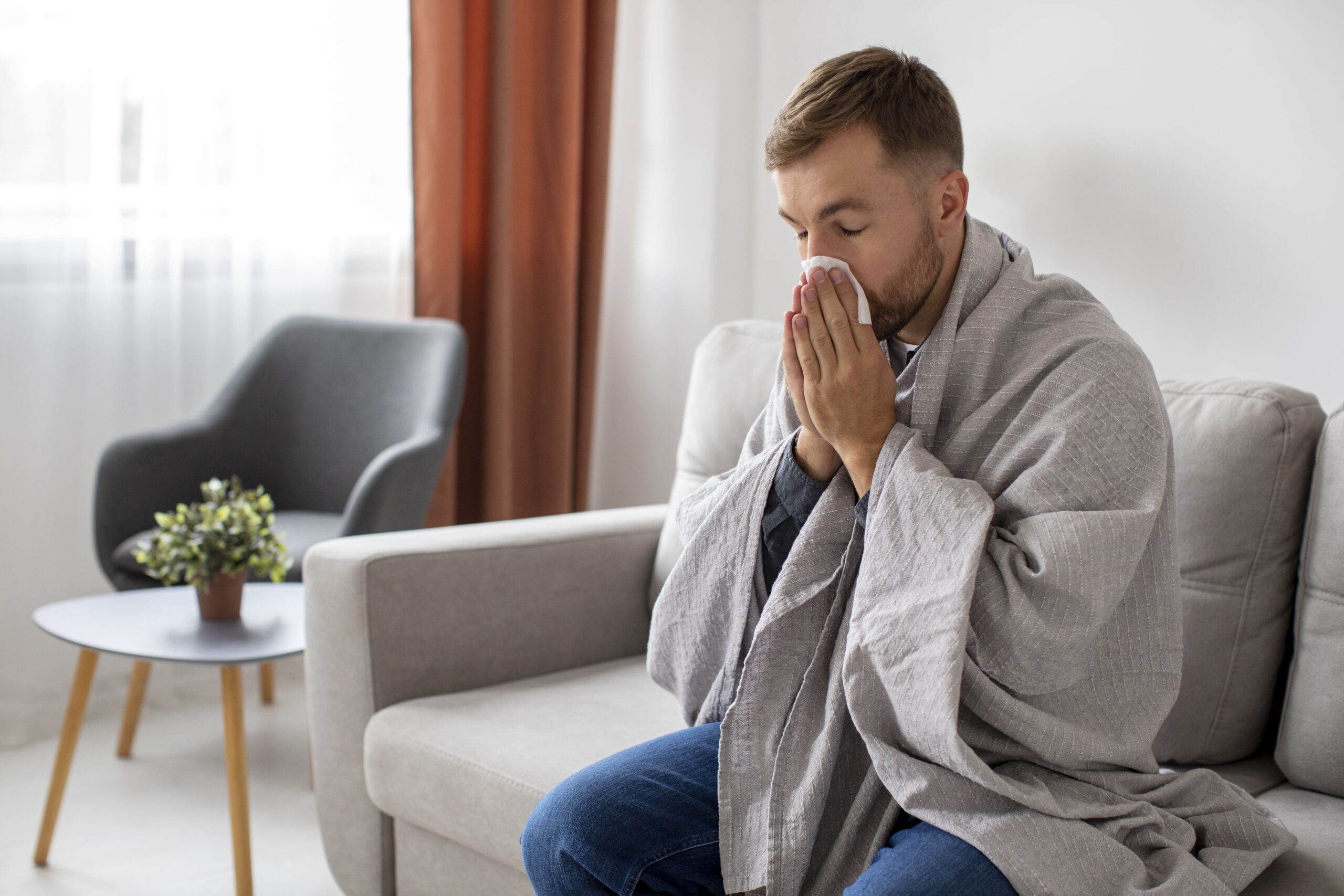
Many people today face a common health issue: symptoms improve for a while after treatment, only to come back. Whether it is a recurring cough, sinus congestion, skin problems, digestive issues, or fatigue, this cycle of temporary relief followed by relapse can leave patients confused and discouraged. According to Dr. Rashmi Chandwani, this pattern often happens when treatment focuses solely on the visible symptom instead of the root cause of the disease. At Ccube Homoeopathy, the treatment philosophy centers on understanding why the body continues to produce the same symptoms instead of just suppressing them for short-term comfort. Let’s explore why symptoms return and what can be done for lasting healing.
The Problem with Temporary Relief Treatment
Most conventional treatments aim to control symptoms quickly. Painkillers reduce pain, antihistamines cut down sneezing, and decongestants clear the nasal passages. While these offer welcome relief, they may not tackle the internal causes like immune imbalance, hormonal issues, chronic inflammation, stress, or a person’s susceptibility. When the underlying imbalance is left untreated, the body recreates the same symptoms later. It is like trimming weeds without removing their roots, they will eventually grow back. Dr. Rashmi Chandwani often tells patients that symptoms are not the disease itself but signals that the body is trying to regain balance. Silencing those signals without addressing the cause only delays their return.
Why Do Symptoms Come Back?
Several common reasons explain why symptoms tend to reappear after temporary relief treatment.
1. Root Cause Is Not Addressed
If treatment focuses only on visible signs like a cough, fever, or congestion, deeper triggers such as allergies, gut imbalance, stress, or hormonal factors may go untreated.
2. Suppression Instead of Healing
Some medications suppress the body’s natural response. For instance, frequently suppressing skin eruptions or fever can push the imbalance deeper, later showing up as chronic respiratory or digestive problems.
3. Weak Immune Regulation
If the immune system responds in a reactive way, the body can either overreact (leading to allergies and inflammation) or under-react (resulting in repeated infections). Without strengthening immune regulation, symptoms keep cycling back.
4. Lifestyle Triggers Remain the Same
Poor sleep, irregular meals, dehydration, exposure to pollution, emotional stress, and sedentary habits all weaken recovery. Even the best treatment struggles to be effective if these triggers stay the same.
5. Incomplete Recovery Time
Patients often jump back into full activity as soon as they feel a bit better. However, the immune system may still be recovering, letting symptoms return quickly.
The Body’s Intelligence: Symptoms as Signals
From a holistic viewpoint, symptoms are not random issues. They are intelligent responses of the body trying to restore balance.
For instance:
- Fever helps fight infection
- Nasal discharge clears irritants
- Cough expels mucus
- Skin eruptions eliminate toxins
If these functions are repeatedly blocked without understanding why they happen, the body will keep trying to express them.
This is why effective long-term healing requires a deeper understanding of the individual rather than just the disease label.
Why won’t my nasal congestion and inflammation go away?
Persistent congestion may happen due to:
- Allergies (dust, pollen, weather change)
- Sinus infection
- Overuse of nasal sprays
- Deviated septum or nasal polyps
- Weak immunity or repeated infections
If symptoms last more than 10–14 days, evaluation by a doctor is advisable.
What happens if you use nasal spray for too long?
Using decongestant sprays continuously for more than 3–5 days can cause:
- Rebound congestion (nose becomes more blocked)
- Swelling of nasal lining
- Dependence on the spray to breathe comfortably
- Dryness or irritation inside the nose
This condition is called rhinitis medicamentosa.
How many days does it take to recover from congestion?
- Viral cold congestion: 5–7 days
- Flu-related congestion: 7–10 days
- Sinus infection: 10–14 days or more
Recovery is faster with steam inhalation, hydration, and proper rest.
Why does cough keep coming back even after treatment?
Recurrent cough may occur due to:
- Post-nasal drip from sinus or allergy
- Incomplete recovery from infection
- Acid reflux (GERD)
- Asthma or airway sensitivity
- Exposure to dust, smoke, or cold air
If cough lasts more than 3 weeks, further evaluation is needed.
What causes flu symptoms to come back after recovery?
Flu-like symptoms may return because of:
- Weak immunity or overexertion after illness
- Secondary infection (bacterial sinusitis or bronchitis)
- Allergies mimicking flu symptoms
- Poor sleep, stress, or dehydration
Giving your body proper rest for at least a week after flu reduces relapse chances.
How a Constitutional Approach Helps
At Ccube Homoeopathy, treatment focuses not just on the disease but on the patient. Dr. Rashmi Chandwani examines:
- Individual immune tendencies
- Patterns of emotional stress
- Sleep quality and energy levels
- Digestive health and metabolism
- Environmental triggers
- Recurring illness patterns
By looking into these areas, treatment aims to fix the internal imbalance so the body no longer needs to produce recurring symptoms. This approach brings more lasting improvement compared to quick fixes.
Ccube Homoeopathy – A Pioneer in Root-Cause Healing
Ccube Homoeopathy stands out as a leader in personalized, root-cause-based treatment. Rather than using a one-size-fits-all approach, the clinic emphasizes detailed case analysis, understanding the patient’s constitution, and finding hidden patterns behind recurring illness. The philosophy here recognizes that chronic symptoms are rarely isolated problems. They often reflect interconnected issues involving immunity, lifestyle, emotional stress, and metabolic health. By addressing these factors together, Ccube Homoeopathy focuses on long-term restoration instead of temporary suppression. Patients often report that, alongside relief from their main complaint, they enjoy better sleep, improved digestion, stronger immunity, and higher energy levels.
This holistic improvement aligns with the clinic’s goal—not just to treat disease but to boost overall vitality. Under Dr. Rashmi Chandwani’s guidance, the clinic stresses patient education, preventive care, and tailored treatment planning. This makes Ccube Homoeopathy not just a treatment center but a place where patients learn to understand their bodies and engage in their own healing journey.
Steps Patients Can Take to Prevent Recurrence
While professional treatment is important, patients can support long-term healing with simple steps:
- Keep regular sleep and meal times
- Stay hydrated and eat fresh foods
- Avoid unnecessary overuse of symptom-suppressing medications
- Manage stress with relaxation or breathing exercises
- Allow adequate recovery time after illness
- Seek treatment focusing on root causes
These actions help strengthen the body’s resilience and lower the chances of relapse.
Final Thoughts
Recurring symptoms do not mean your body is weak; they indicate that your body is trying to communicate something deeper. Temporary relief treatments can help with acute discomfort, but lasting healing needs identifying and correcting the internal imbalance that drives those symptoms. As highlighted in Dr. Rashmi Chandwani’s clinical approach, true recovery happens when the body regains balance, resilience, and the ability to regulate itself naturally. Clinics like Ccube Homoeopathy focus on this deeper restoration, helping patients break free from the cycle of relapse and move toward lasting wellness. When treatment targets the root cause, symptoms do not need to return, this is the true aim of healing.