
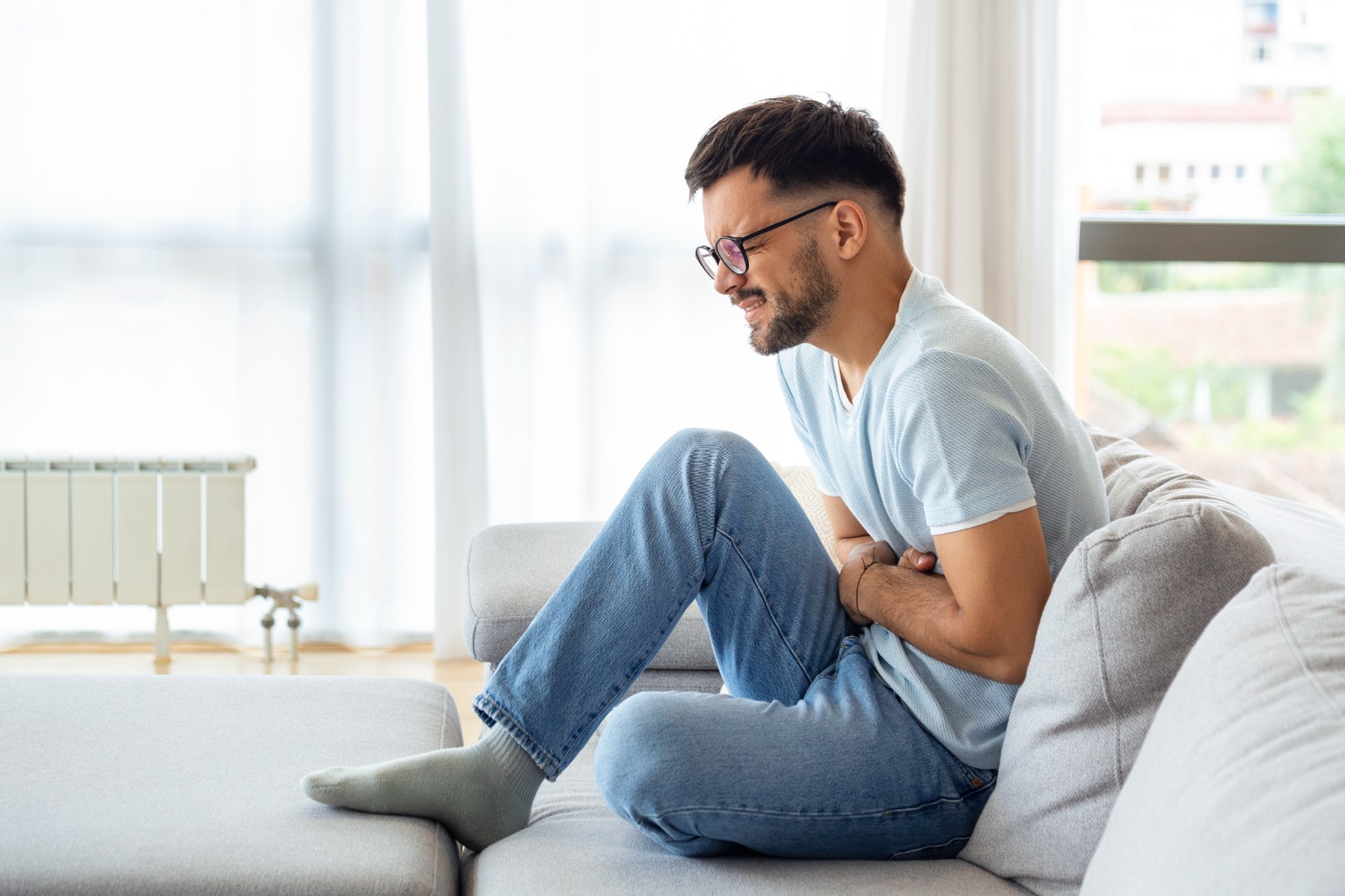
In recent years, doctors across clinics and hospitals have noticed a worrying trend: piles (hemorrhoids) are no longer limited to middle-aged or elderly individuals. An increasing number of patients in their 20s and 30s are now walking into clinics with pain, bleeding, itching, and swelling around the anal region. This raises an important question — is it normal to get piles in your 20s? Unfortunately, yes. And the reasons lie deeply rooted in modern lifestyle habits.
At Ccube homoeopathy, under the expert guidance of Dr Rashmi Chandwani, a growing number of young adults are seeking gentle, long-term relief from piles without fear of dependency, surgery, or harsh side effects.
Understanding Piles (Hemorrhoids)
Piles, medically known as hemorrhoids, are swollen veins in the lower rectum or anus. They can be internal (inside the rectum) or external (around the anal opening). Common symptoms include pain during passing stools, bleeding, itching, burning sensation, and sometimes a protruding mass.
While piles were once considered an “older person’s disease,” modern evidence proves otherwise.
Why Are Piles Increasing in Young Adults?
- Sedentary Lifestyle
One of the biggest culprits is prolonged sitting. Office jobs, online classes, gaming, binge-watching, and mobile phone usage have significantly reduced physical movement. Sitting for long hours increases pressure on rectal veins, leading to hemorrhoids. Many patients visiting Ccube homoeopathy under Dr Rashmi Chandwani share a history of sitting 8–10 hours daily.
- Poor Dietary Habits
Fast food, junk food, low fiber intake, excess coffee, and inadequate water consumption cause constipation. Straining during bowel movements is one of the strongest triggers for piles.
- Chronic Constipation
Young adults often ignore bowel urges due to busy schedules. Over time, this leads to hard stools, straining, and eventually piles. One common question patients ask at Ccubehomoeopathy is how do you stop piles from growing? The answer begins with correcting bowel habits.
- Stress and Anxiety
Stress affects gut motility. Emotional stress can cause irritable bowel patterns, constipation, or diarrhea, all of which aggravate hemorrhoids. Dr Rashmi Chandwani emphasizes the mind–gut connection while treating piles at Ccube homoeopathy.
- Excessive Gymming and Weight Lifting
Improper technique and excessive strain during workouts increase intra-abdominal pressure, contributing to piles in young fitness enthusiasts.
Is It Normal to Get Piles in Your 20s?
Yes, it is normal to get piles in your 20s, but it is not healthy to ignore them. Early piles are often reversible with proper lifestyle changes and individualized treatment. Delaying treatment can lead to worsening symptoms, thrombosis, or chronic bleeding.
At Ccube homoeopathy, Dr Rashmi Chandwani frequently treats young patients who come early and recover completely without surgery.
How Do You Stop Piles From Growing?
Stopping piles from progressing requires a multi-dimensional approach:
- High-fiber diet (fruits, vegetables, whole grains)
- Adequate water intake
- Avoiding prolonged sitting and straining
- Regular physical activity
- Managing stress and sleep
Along with these measures, constitutional homoeopathic treatment at Ccubehomoeopathy, guided by Dr Rashmi Chandwani, helps reduce swelling, pain, bleeding, and recurrence from the root.
Is It Better to Sit or Stand With Hemorrhoids?
This is a common concern. Neither prolonged sitting nor prolonged standing is ideal. Sitting increases pressure on hemorrhoidal veins, while prolonged standing can worsen venous congestion.
Dr Rashmi Chandwani of Ccubehomoeopathy advises:
- Take breaks every 30–45 minutes
- Walk for a few minutes
- Use a donut seat if sitting is unavoidable
- Avoid sitting on the toilet for long durations
- Balanced movement is key.
How to Treat Hemorrhoids in Pregnancy?
Pregnancy is a special condition where piles commonly develop due to hormonal changes, pressure from the growing uterus, and constipation. Many women worry about medication safety.
How to treat hemorrhoids in pregnancy safely involves:
- Gentle, non-toxic treatment using homeopathic medicines
- Avoiding strong laxatives
- Supporting bowel regularity naturally using homeopathic medicine
This is where Ccubehomoeopathy plays a crucial role. Dr Rashmi Chandwani specializes in treating piles during pregnancy with safe, individualized homoeopathic medicines that do not harm the mother or baby.
What Are the Danger Signs of Hemorrhoids?
While piles are usually not life-threatening, some warning signs should never be ignored:
- Excessive or persistent bleeding
- Severe pain or sudden swelling
- Black or tarry stools
- Anemia symptoms like weakness and dizziness
- Rapid worsening despite treatment
If you notice any of these danger signs of hemorrhoids, immediate medical consultation is necessary. Dr Rashmi Chandwani at Ccubehomoeopathy stresses early diagnosis to avoid complications.
Homoeopathy: A Gentle and Effective Approach
Unlike conventional treatments that focus only on temporary relief, homoeopathy treats the person as a whole. It addresses digestion, bowel habits, stress levels, and venous circulation simultaneously.
At Ccube homoeopathy, Dr Rashmi Chandwani uses personalized remedies based on:
- Nature of bleeding
- Pain characteristics
- Constipation pattern
- Emotional state
- Lifestyle factors
This holistic approach not only treats existing piles but also prevents recurrence.
About Ccube homoeopathy and Dr Rashmi Chandwani
Ccube homoeopathy, led by Dr Rashmi Chandwani, has emerged as a trusted center for treating piles naturally and effectively. With years of clinical experience, Dr Rashmi Chandwani focuses on root-cause treatment rather than symptomatic suppression. Patients at Ccube homoeopathy benefit from compassionate care, detailed case analysis, and individualized homoeopathic remedies that restore bowel health and improve quality of life. Whether it is piles in young adults, piles during pregnancy, or chronic recurrent hemorrhoids, Ccube homoeopathy and Dr Rashmi Chandwani provide safe, long-lasting solutions without fear or dependency.
Conclusion
The rise of piles in young adults is a wake-up call. Sedentary lifestyles, poor diet, stress, and neglect of bowel health are silently damaging rectal veins at an early age. The good news is that early-stage piles are completely manageable and reversible.
With timely intervention, lifestyle correction, and holistic treatment from Ccube homoeopathy under Dr Rashmi Chandwani, young adults can heal naturally, safely, and permanently. If you are experiencing symptoms, remember ignoring piles only allows them to grow. Early care is the key to lasting relief.