Worldwide, the prevalence of haemorrhoids is estimated at 4.4% of the global population. Piles is a disease that is spreading fast due to stress, insomnia, constipation, and a growing inclination toward fast food in the sedentary lifestyle of urbanites.
Let us understand Delhi’s fast lifestyle and piles—and why homoeopathy is a growing solution, especially under expert care at CCube Homoeopathy, New Delhi, led by Dr. Rashmi Chandwani.
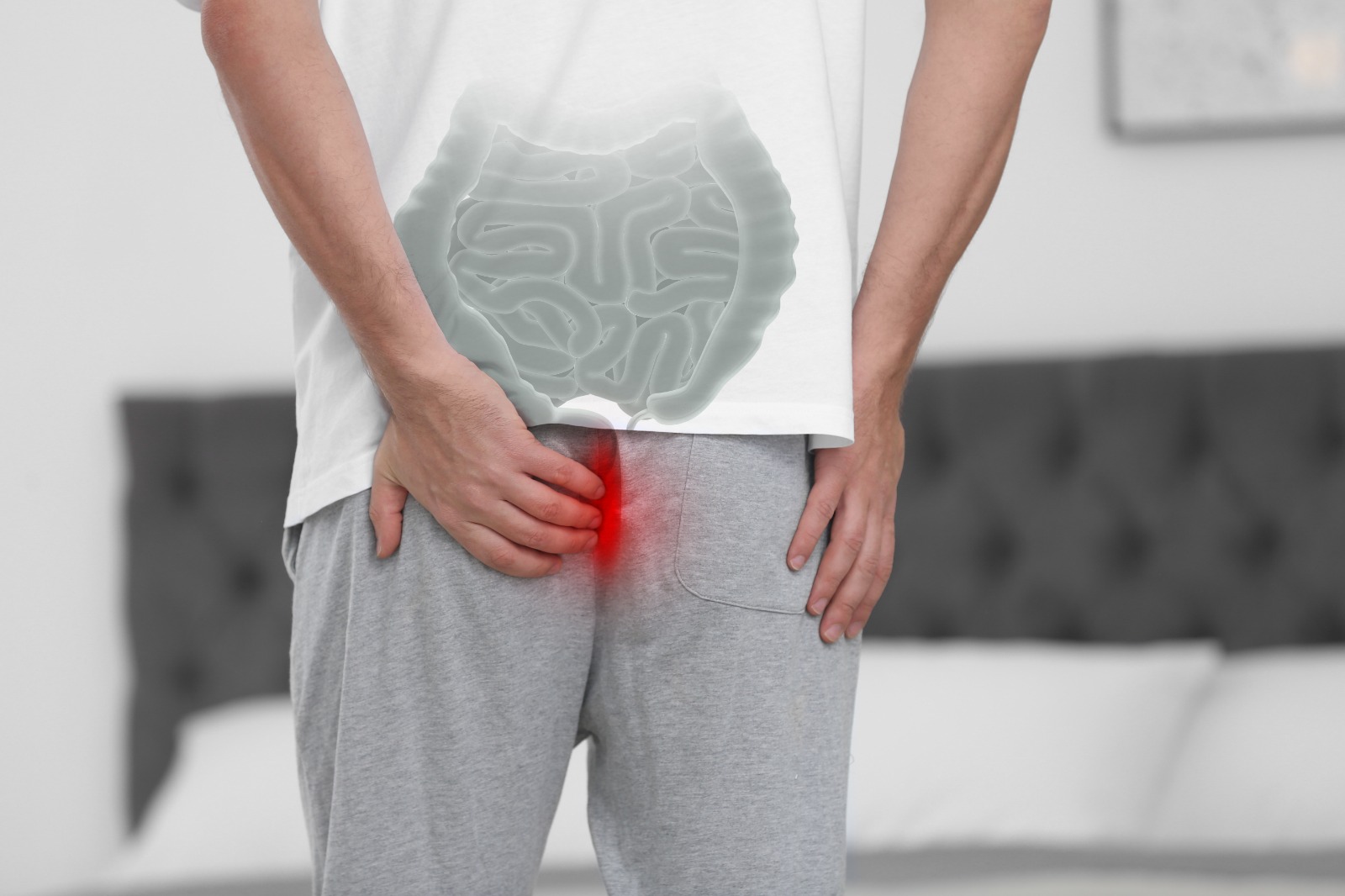
Nearly 80% of people over 40 years suffer from piles. Due to poor eating habits and inactivity, even younger men and women are suffering from this condition. Mostly executives who spend long hours sitting are prone to this condition. In piles, the rectal veins in the anal region get swollen due to increased pressure.
Every second individual in the world comes across piles at some point between 45 to 65 years of age. A large number of women also experience piles during pregnancy. The most alarming concern today, observed frequently at CCube Homoeopathy, is that teens and young adults are also experiencing piles, indicating an urgent need for lifestyle correction and early treatment.
Definition
Haemorrhoids are varicosities of the veins of the haemorrhoidal plexus, often complicated by inflammation, thrombosis, and bleeding.
Types of Haemorrhoids
1. External Haemorrhoids
External haemorrhoids develop near the anal opening, covered by sensitive skin. They appear as swollen veins or small lumps near the anal opening and often cause pain and discomfort.
2. Internal Haemorrhoids
Internal haemorrhoids develop inside the anal canal.
- Prolapsed haemorrhoids – internal haemorrhoids pushed outside the anus
- Strangulated haemorrhoids – when the anal sphincter compresses a prolapsed haemorrhoid, cutting off blood supply.
3. Interno-external Haemorrhoids
Combination of both internal and external haemorrhoids.
Classification of Haemorrhoids
Classification 1 – Based on Location
- Primary haemorrhoids – located at 3, 7, and 11 o’clock positions
- Secondary haemorrhoids – occur between primary sites
Classification 2 – Based on Prolapse
- First degree – bleed but do not prolapse
- Second degree – prolapse during defecation but return spontaneously
- Third degree – require manual replacement
Symptoms
Internal Haemorrhoids
- Painless bleeding during or after stools
- Feeling of incomplete evacuation
- Mucus discharge
- Heaviness or pressure in the anal region
- Prolapse during stools
- Mild discomfort or irritation
- Soiling of undergarments
External Haemorrhoids
- Pain and tenderness around the anus
- Visible swelling or lump
- Itching, burning, and irritation
- Thrombosis
- Difficulty sitting comfortably
- Skin soreness
Lifestyle Factors Contributing to Piles in Delhi
Sedentary Lifestyle
- Corporate jobs
- Prolonged sitting
- Lack of exercise
- Poor blood circulation
Low-Fibre Diet
- Oily, spicy, fried food
- Constipation and hard stools
Lack of Hydration
- Insufficient water intake
- Dry stools
Stress
- Target-driven work culture
- Corporate and city stress
Delayed Bowel Movements
- Ignoring natural urges due to busy schedules
Obesity / Overweight
- Increased pelvic and rectal pressure
Irregular Routines
- Long working hours
- Disrupted meal timings
Cities in India with Higher Incidence of Piles
- Delhi NCR
- Mumbai
- Pune
- Bangalore
- Chennai
- Hyderabad
Can We Live a Normal Life with Piles?
- Piles are not life-threatening
- They are a lifestyle-related condition
- With corrective lifestyle measures and individualized homoeopathic treatment at CCube Homoeopathy, piles can be effectively relieved
Lifestyle changes advised at CCube Homoeopathy:
- High-fibre diet
- Plenty of water
- Avoid outside and junk food
- Avoid spicy and oily foods
- Regular meal timings
- Daily walking and movement
- Yoga and light exercise
Is Piles a Lifetime Disease?
Piles is not a permanent fate. It is a reversible condition caused by swollen rectal veins. With timely lifestyle correction and well-selected homoeopathic medicines, permanent relief is achievable, as routinely seen in patients treated by Dr. Rashmi Chandwani at CCube Homoeopathy.
How Homoeopathy Is the Best Way to Treat Piles
1. Treats the Root Cause
Homoeopathy addresses:
- Chronic constipation
- Digestive disturbances
- Venous congestion
- Mental stress
Medicines help by:
- Improving bowel regularity
- Enhancing digestion
- Restoring vascular health
2. Minimizes Recurrence
Homoeopathy strengthens the body’s healing capacity, reducing future episodes—a major advantage seen in long-term patients of CCube Homoeopathy.
3. Non-invasive and Pain-free
- No surgery or injections
- No post-operative pain or bleeding
4. Safe for Long-term Use
- Non-toxic
- Non-habit forming
- No side effects
5. Individualised Treatment
Each patient is unique. Dr. Rashmi Chandwani treats the patient as a whole—mental, emotional, and physical—ensuring deep and lasting healing.
6. Effective in Recurrent Cases
Many patients seek CCube Homoeopathy after failed surgeries. With accurate case-taking, even chronic and recurrent piles respond well.
Which Treatment Is Best for Piles: Homoeopathy, Allopathy, or Ayurveda?
- Allopathy offers symptomatic relief and surgeries, but chances of recurrences are high.
- Ayurveda uses invasive procedures like Kshar Sutra, which is often painful and chances of recurrences are high.
- Homoeopathy, as practiced at CCube Homoeopathy, is gentle, non-invasive, individualized, and root-cause based—making it the most sustainable option
CCUBE HOMOEOPATHY-Benchmark in Classical Homoeopathic Care for Piles
Dr. Rashmi Chandwani is a highly respected and experienced homoeopathic physician with 30 years of clinical expertise. She follows a holistic, individualized approach in piles management. Each patient undergoes detailed case evaluation, including lifestyle, diet, bowel habits, and emotional health.
Her scientific, empathetic, and precise approach has made her a trusted and preferred homoeopathic doctor for piles in Delhi.
Final Thoughts – Dr. Rashmi Chandwani, CCube Homoeopathy
In the relentless pace of Delhi life—where stress, irregular meals, and long hours disrupt digestion—piles have become increasingly common. At CCube Homoeopathy, we go beyond symptom control. We restore balance.
Homoeopathy is not just relief—it is transformation. Through personalized remedies and holistic guidance, patients experience comfort, confidence, and lasting healing—without surgery or harsh medications.
At CCube Homoeopathy, under the expert care of Dr. Rashmi Chandwani, our mission is to help patients reclaim digestive health naturally, safely, and permanently.
FAQs
Q1. What causes piles in Delhi’s fast lifestyle?
Piles in Delhi are commonly caused by prolonged sitting, stress, irregular meals, constipation, low-fibre diets, dehydration, obesity, and lack of physical activity due to sedentary urban lifestyles.
Q2. Are piles common in young adults and teenagers?
Yes. At CCube Homoeopathy, piles are increasingly seen in teens and young adults due to fast food habits, mobile lifestyles, stress, and ignoring natural bowel urges.
Q3. What are the early symptoms of piles?
Early symptoms include painless bleeding during stools, itching, burning, heaviness in the anal region, constipation, discomfort while sitting, and mucus discharge.
Q4. Can piles be cured permanently with homoeopathy?
Yes. Homoeopathy treats piles by addressing the root cause such as constipation, venous congestion, and stress. With lifestyle correction and individualized medicines, permanent relief is achievable.
Q5. Is surgery necessary for piles?
Surgery is not always necessary. Homoeopathy offers a non-surgical, pain-free, and effective alternative, especially in early, chronic, and recurrent cases of piles.
Q6. Why is homoeopathy better than allopathy or Ayurveda for piles?
Homoeopathy is non-invasive, safe for long-term use, non-habit forming, and treats the root cause. Unlike surgery or painful procedures, it minimizes recurrence naturally.