When most people hear about PCOD (Polycystic Ovarian Disease), they immediately think of irregular periods. While menstrual issues are one of the most noticeable signs, PCOD goes beyond just missed or delayed cycles. It is a complicated hormonal and metabolic condition that quietly affects a woman’s mood, sleep quality, mental clarity, and overall energy levels. Unfortunately, these symptoms are often overlooked as stress, laziness, or emotional weakness when they are actually tied to hormonal imbalance. At Ccube homoeopathy, under Dr. Rashmi Chandwani’s guidance, PCOD is seen not just as a gynecological issue but as a whole-body disorder needing a holistic understanding and personal care.
PCOD and Hormonal Chaos: The Real Story
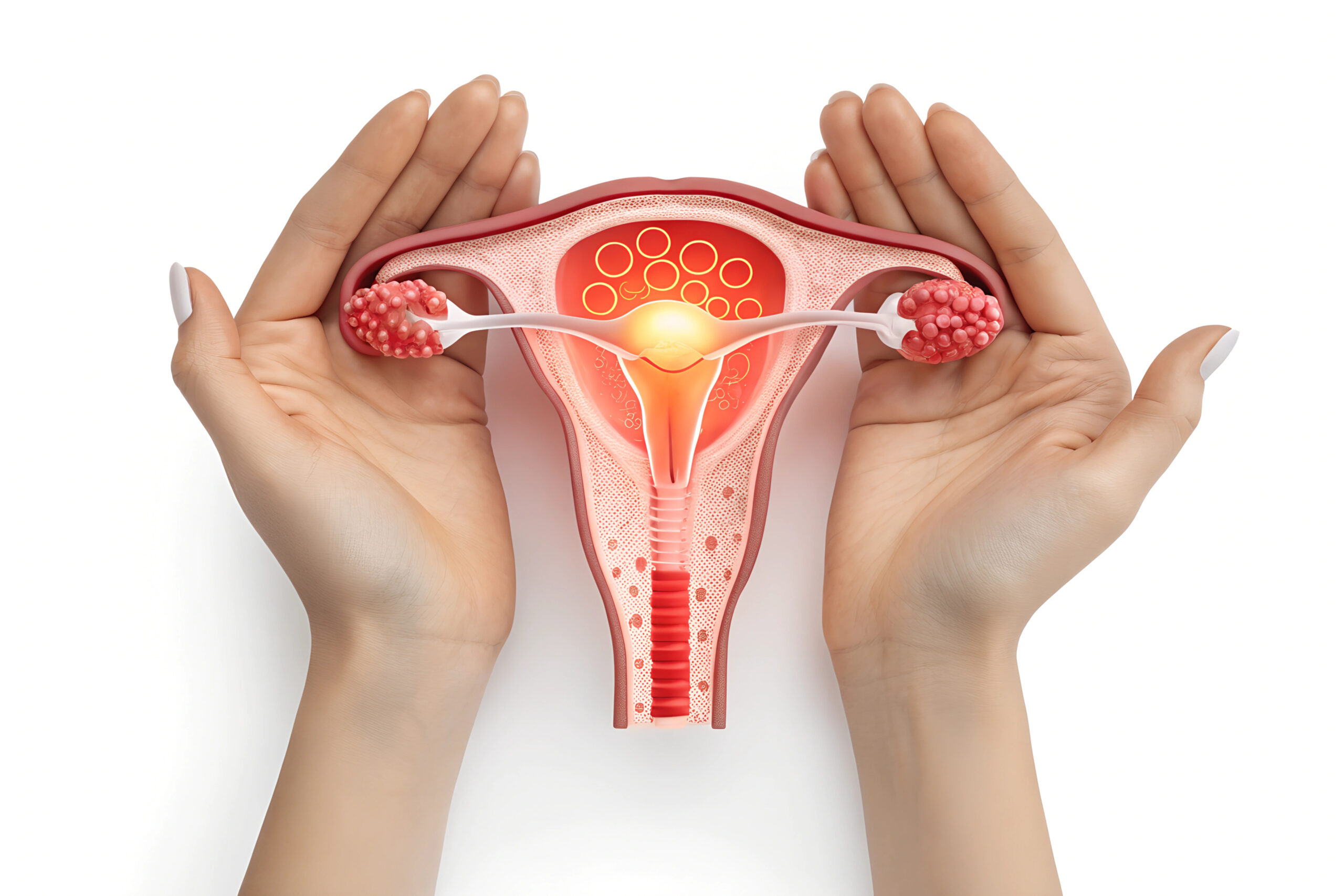
PCOD happens when the ovaries produce too many androgens (male hormones) along with insulin resistance and disrupted ovulation. This hormonal imbalance does not stay limited to the reproductive system. Hormones like insulin, cortisol, estrogen, progesterone, and melatonin closely interact with the brain, nervous system, and metabolism. When this delicate balance is thrown off, the consequences affect the entire body, especially emotions, sleep patterns, and daily energy levels.
Dr. Rashmi Chandwani often points out that PCOD is less about “cysts” and more about how the body communicates internally—unfortunately, this communication is often poorly understood.
Mood Swings, Anxiety, and Emotional Overload
One of the most ignored aspects of PCOD is its effect on mental health. Many women experience:
- Sudden mood swings
- Irritability without clear reason
- Anxiety or constant overthinking
- Low confidence and emotional sensitivity
- Episodes of sadness or mild depression
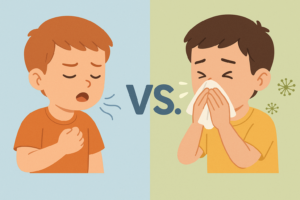
These emotional changes are not simply “in the mind.” Fluctuating estrogen and progesterone levels directly influence neurotransmitters like serotonin and dopamine, which help regulate mood and emotional stability. Increased cortisol levels due to chronic stress and insulin resistance make anxiety and emotional exhaustion worse. At Ccube homoeopathy, emotional symptoms are taken just as seriously as physical ones. Dr. Rashmi Chandwani emphasizes that untreated emotional stress can worsen hormonal imbalance, creating a harmful cycle.
Sleep Disturbances: When Rest Doesn’t Feel Restful
Many women with PCOD report:
- Difficulty falling asleep
- Frequent waking at night
- Light, unrefreshing sleep
- Feeling tired even after 7 to 8 hours of sleep
This occurs because PCOD impacts melatonin secretion, the hormone that regulates sleep-wake cycles. Insulin resistance and high cortisol levels keep the body in a “fight or flight” mode, making it hard to relax completely. Poor sleep further worsens insulin resistance and hormonal imbalance, reinforcing the cycle.
Chronic Fatigue and Low Energy Levels
Ongoing tiredness is another common but often misunderstood symptom of PCOD. Women frequently describe:
- Feeling drained after minimal activity
- Brain fog and poor concentration
- Lack of motivation
- Midday energy crashes
This fatigue is linked to poor glucose use due to insulin resistance. Even when blood sugar levels are high, cells cannot use glucose efficiently, resulting in low energy. Adding hormonal fluctuations and poor sleep into the mix makes exhaustion a constant problem. At Ccube homoeopathy, fatigue is never treated as a simple issue. Dr. Rashmi Chandwani digs deeper by evaluating digestion, metabolism, emotional stress, and hormonal signals to find the root cause.
Why Conventional Approaches Often Fall Short ?
Traditional management of PCOD usually involves:
- Hormonal pills
- Birth control medications
- Temporary symptom control
While these methods may regulate periods, they often mask deeper imbalances without fixing them. Once the medication is stopped, symptoms frequently return—sometimes even worse. Mood issues, sleep problems, and fatigue are seldom tackled thoroughly. This is where homoeopathy takes a different approach one that aims for long-term healing rather than short-term control.
How does PCOD affect sleep?
PCOD (Polycystic Ovarian Disease) affects sleep mainly due to hormonal imbalance. High insulin levels cause night time hunger, restlessness, and frequent waking.
Raised androgens(male hormones) disturb the sleep wake cycle. Low progesterone a calming hormone makes it harder to fall asleep. Anxiety, overthinking, and irregular melatonin release are common.
Does PCOD affect your mood?
Yes, very strongly. Hormonal fluctuations affect serotonin and dopamine. Blood sugar ups and downs cause irritability and mood swings. Chronic fatigue leads to low motivation and emotional sensitivity.
Common mood changes:
- Anxiety
- Depression
- Irritability
- Crying spells
- Feeling overwhelmed for no clear reason
Does PCOD cause laziness?
PCOD does not cause laziness — it causes biological fatigue.
What looks like laziness is actually:
- Insulin resistance leads to low cellular energy
- Poor sleep leads to constant exhaustion
- Hormonal imbalance leads to reduced drive
- You want to do things, but your body doesn’t cooperate.
Is tiredness a symptom of PCOD?
Yes. Chronic tiredness is one of the most common PCOD symptoms.
Reasons:
- Poor sleep quality
- Iron, vitamin D, B12 deficiency
- Blood sugar crashes
- Low-grade inflammation
Signs include:
- Waking up tired
- Afternoon crashes
- Needing frequent naps
- Brain fog
What lifestyle is best for PCOS/PCOD?
The best lifestyle is hormone-friendly and insulin-sensitive.
Key principles:
- Regular sleep timing (same bedtime daily)
- Low-GI, high-fiber diet
- Strength training + walking
- Stress reduction (yoga, pranayama, meditation)
- Avoid extreme dieting or over-exercising.
What are signs of sleep hormone (melatonin) deficiency?
Melatonin deficiency is common in PCOD.
Signs:
- Trouble falling asleep
- Waking up between 2–4 am
- Light, unrefreshing sleep
- Anxiety at night
- Daytime sleepiness
- Craving sweets at night
What vitamins help with sleep?
These nutrients are commonly low in PCOD and affect sleep:
- Magnesium – relaxes nerves and muscles
- Vitamin B6 – supports melatonin production
- Vitamin D – regulates sleep–wake rhythm
- Vitamin B12 – helps energy and circadian rhythm
- Iron – prevents restless sleep and fatigue
How to fix PCOS/PCOD insomnia?
PCOD-related insomnia improves when hormones and insulin are balanced.
Practical steps:
- Eat dinner 2–3 hours before bed
- Add protein + fiber at night (prevents sugar drops)
- Avoid screens 1 hour before sleep
- Reduce caffeine after 2 pm
- Do deep breathing or foot massage at night
- Get morning sunlight exposure
Treating root hormonal imbalance is key, not just sleeping pills
Ccube homoeopathy-Pioneer in Holistic PCOD Management
Ccube homoeopathy is a leader in homoeopathic healing, changing how conditions like PCOD are understood and treated. Under Dr. Rashmi Chandwani’s leadership, Ccube homoeopathy follows a root-cause, individualized approach that looks beyond just managing symptoms. At Ccube homoeopathy, PCOD reflects internal imbalance involving hormones, metabolism, emotions, digestion, lifestyle, and stress. Each patient receives personalized care after all, no two cases of PCOD are exactly the same. Detailed case-taking examines menstrual history, emotional state, sleep quality, food cravings, stress triggers, energy levels, and even personality traits.
Homoeopathic medicines gently stimulate the body’s natural healing process, helping restore hormonal balance without forcing unnatural regulation. Over time, patients see improvements not just in their cycles but also in mood stability, sleep quality, energy levels, and emotional resilience.
What truly makes Ccube homoeopathy stand out is its focus on long-term change. Patients receive education, support, and guidance on lifestyle changes alongside personalized treatment. This integrated approach has made Ccube homoeopathy a leader in treating PCOD holistically, safely, and sustainably.
Final Diagnosis: Looking Beyond Periods
The diagnosis of PCOD should never be restricted to ultrasound reports or menstrual irregularities. PCOD is a systemic condition that impacts both the mind and body. Mood disturbances, sleep issues, and low energy are not secondary complaints—they represent fundamental aspects of the disorder. Ignoring these signs delays healing and worsens imbalance. True recovery starts when PCOD is addressed at its core—by understanding hormonal patterns, emotional health, metabolic function, and lifestyle influences together.
With Dr. Rashmi Chandwani’s holistic expertise and Ccube homoeopathy’s innovative approach, women with PCOD can move past just symptom control toward real healing. When the body is properly supported, balance is not forced—it is naturally restored. PCOD beyond periods is a reminder to listen to your body. With the right guidance, that reminder can lead to lasting health, clarity, and vitality.