
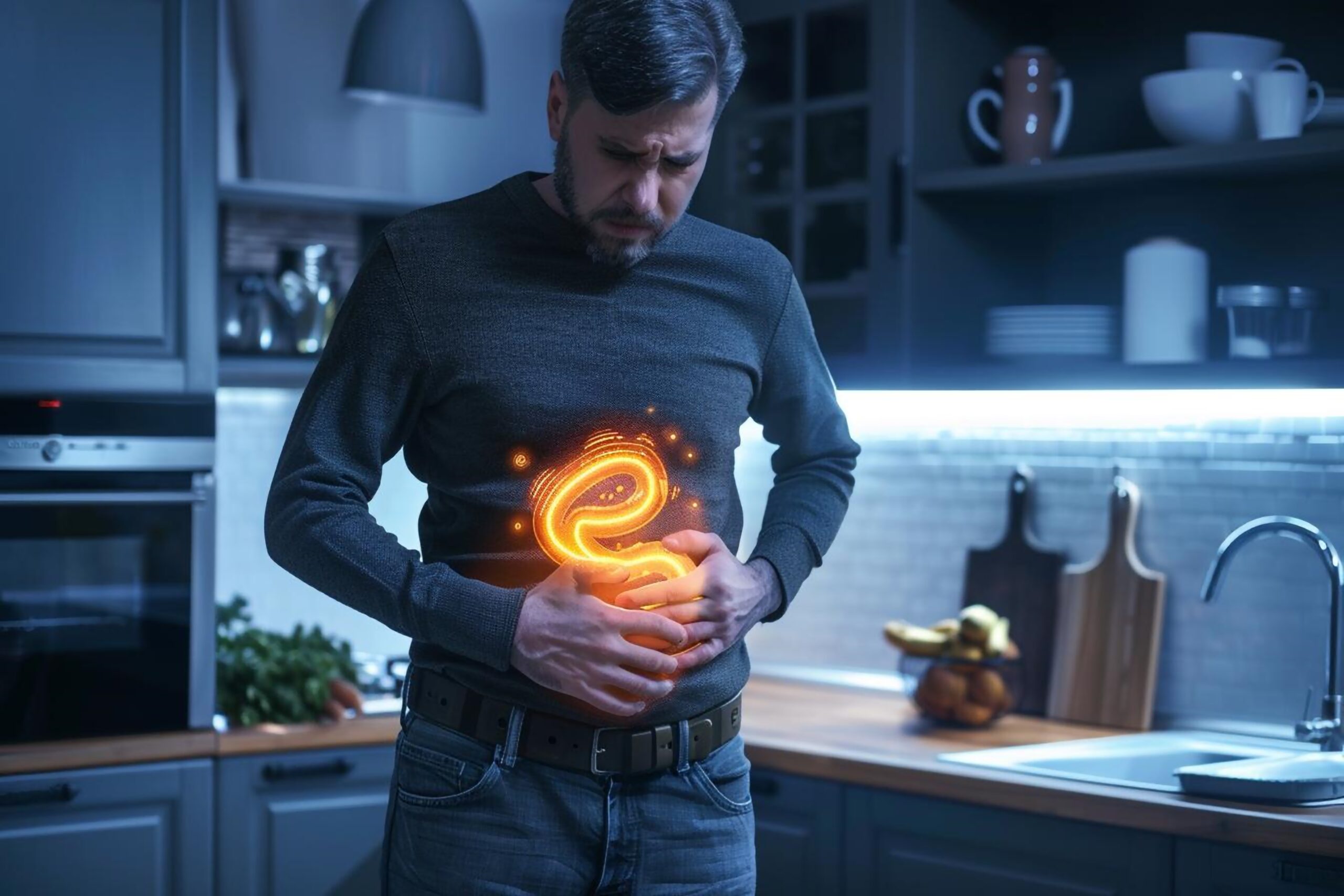
Irritable Bowel Syndrome (IBS) is a common yet often misunderstood disorder of the digestive system. It affects the large intestine and is characterized by a group of symptoms rather than a single disease. IBS is considered as a functional gastrointestinal disorder, meaning that while the structure of the bowel appears normal, its functioning is disturbed. IBS significantly affects a patient’s quality of life, both physically and emotionally.
IBS is not life-threatening, nor does it lead to cancer, but the chronic and recurrent nature of symptoms can be extremely distressing. Under the guidance of Dr. Rashmi Chandwani, a holistic understanding of IBS has helped many patients regain comfort and confidence in their daily lives.
Overview of Irritable Bowel Syndrome
IBS primarily affects how the intestines contract and relax during digestion. These abnormal gut movements may result in pain, bloating, altered bowel habits, and discomfort. The condition is long-term and tends to fluctuate, with periods of remission and flare-ups. At CCube Homoeopathy, IBS is not viewed merely as a digestive complaint but as a condition involving the gut–brain axis, emotional health, stress response, and individual sensitivity. This broader understanding is crucial in managing IBS effectively.
Classification of IBS
IBS is commonly classified into the following types:
- IBS-C: Predominantly constipation
- IBS-D: Predominantly diarrhea
- IBS-M: Mixed pattern of constipation and diarrhea
- IBS-U: Unclassified IBS
Causes of Irritable Bowel Syndrome
The exact cause of IBS is not fully understood, but research and clinical experience suggest that multiple factors contribute to its development. Rather than a single cause, IBS results from a combination of physiological, psychological, and environmental triggers.
1. Abnormal Gut Motility
In people with IBS, the intestinal muscles may contract too strongly or too weakly. Strong contractions can cause diarrohea and cramping, while weak contractions may slow down stool movement, leading to constipation. These irregular movements are frequently observed in IBS patients treated at CCube Homoeopathy.
2. Gut–Brain Communication Imbalance
The intestines and brain communicate constantly through nerves and hormones. Any disturbance in this communication can alter pain perception and bowel function. Many patients experience heightened gut sensitivity, where even normal digestion feels painful.
3. Stress and Emotional Factors
Stress, anxiety, unresolved emotional conflicts, and past trauma play a significant role in triggering or worsening IBS symptoms. Dr. Rashmi Chandwani often notes that IBS flare-ups coincide with emotional stress, highlighting the strong mind–body connection.
4. Food Sensitivities
Certain foods may act as triggers, such as dairy products, gluten, spicy foods, caffeine, or processed foods. While food intolerance does not cause IBS, it can aggravate symptoms.
5. Altered Gut Microbiota
An imbalance in gut bacteria, especially after infections or prolonged antibiotic use, is another contributing factor. This alteration may increase intestinal sensitivity and inflammation.
Symptoms of Irritable Bowel Syndrome
The symptoms of IBS vary from person to person and may change over time. Some individuals experience mild discomfort, while others suffer from severe, persistent symptoms that interfere with daily activities.
Common Symptoms Include:
- Abdominal pain or cramping, often relieved after passing stool
- Bloating and gas, giving a feeling of fullness
- Constipation, diarrhea, or alternating between the two
- Mucus in stools
- Urgency to pass stool, especially after meals
- Incomplete evacuation, feeling that the bowel has not emptied completely.
At CCube Homoeopathy, patients find better result after holistic approach treatment.
Associated Non-Digestive Symptoms
IBS does not affect only the gut. Many patients experience associated symptoms that reflect a deeper systemic imbalance:
- Fatigue
- Headaches
- Sleep disturbances
- Anxiety or low mood
- Pelvic or lower back pain
These associated symptoms reinforce the need for a holistic treatment approach, as practiced by Dr. Rashmi Chandwani at CCube Homoeopathy.
Diagnosis of IBS
There is no single test to diagnose IBS. Diagnosis is usually made based on symptoms, medical history, and exclusion of other conditions such as inflammatory bowel disease, infections, or celiac disease. Criteria such as recurrent abdominal pain associated with bowel movement changes are commonly used. At CCube Homoeopathy, detailed case-taking is emphasized to understand not only physical symptoms but also emotional patterns, lifestyle, and stressors.
Where is IBS pain usually felt?
People with IBS most often describe their pain in these area, lower abdomen cramping, bloating, or fullness that may shift sides or radiate to the pelvis, upper abdomen or stomach area pressure or burning sensations that worsen after meals.
How to cure IBS fast?
- Try to eat a healthy, balanced diet
- Keep a diary of what you eat and any symptoms you get, try to drink at least 8-10 glasses of fluid.
- Do exercises daily.
- Practice breathing exercises and meditation to calm your mind
What are the main triggers of IBS?
Because IBS is considered a disorder of gut-brain interaction, there is a strong link between your gut health and your mental health. As a result of this connection, you might find your IBS symptoms are triggered during times of significant stress, anxiety or depression.
Living With IBS: A Holistic Perspective
IBS is a chronic condition, but it can be effectively managed with the right approach. Long-term relief depends on understanding individual triggers, emotional health, dietary habits, and stress management.
Dr. Rashmi Chandwani believes that suppressing symptoms alone is not enough. Addressing the root cause and restoring balance in the body is essential. At CCube Homoeopathy, treatment is personalized, gentle, and aimed at improving overall well-being rather than merely controlling bowel symptoms.
CCube Homeopathy-A Trusted Name in Homoeopathy
At CCube Homoeopathy, under the guidance of Dr Rashmi Chandwani, IBS is managed with a patient-centric and constitutional approach. Homoeopathic treatment focuses on understanding each individual’s unique symptom pattern, triggers, stress factors, lifestyle, and overall health. Instead of suppressing symptoms like abdominal pain, bloating, constipation, or diarrhoea, treatment aims to regulate gut function, improve digestion, and strengthen the mind-gut connection. With consistent treatment, dietary guidance, and lifestyle modifications, many patients at CCube Homoeopathy experience reduced frequency and intensity of IBS episodes, improved digestion, better stress handling, and enhanced quality of life.
Homoeopathy offers a gentle, safe, and long-term solution for IBS, helping patients move towards sustained relief and overall well-being rather than short-term fixes. Irritable Bowel Syndrome is a complex condition involving the digestive system, nervous system, and emotional health. Though it does not cause structural damage, its impact on daily life can be profound. Understanding the causes, recognizing symptoms early, and adopting a holistic approach are key to managing IBS successfully. With compassionate care and individualized treatment strategies, Dr. Rashmi Chandwani at CCube Homoeopathy continues to help patients navigate IBS with confidence, comfort, and long-term improvement.
The CCube Homoeopathy Approach to IBS Care
At CCube Homoeopathy, IBS is approached as more than just a bowel disorder. Under the expert guidance of Dr. Rashmi Chandwani, treatment focuses on identifying the root cause of symptoms by understanding the patient’s physical complaints, emotional state, stress patterns, dietary habits, and lifestyle. Each case is treated constitutionally, meaning medicines are selected based on the individual rather than the disease label alone. This personalized approach helps regulate bowel movements, reduce abdominal discomfort, calm gut sensitivity, and restore balance in the gut–brain axis. With gentle, non-habit-forming homoeopathic medicines, along with practical lifestyle and dietary guidance, many IBS patients at CCube Homoeopathy experience long-lasting relief and improved quality of life.
FAQs
1. Is Irritable Bowel Syndrome (IBS a lifelong condition)?
IBS is a chronic condition, but it is not necessarily lifelong in severity. With proper treatment, stress management, dietary changes, and a holistic approach, many people experience long periods of relief and reduced flare-ups.
2. Can stress really worsen IBS symptoms?
Yes, stress plays a major role in IBS. Because IBS is a disorder of the gut–brain axis, emotional stress, anxiety, and unresolved mental strain can directly trigger or worsen symptoms such as abdominal pain, bloating, and altered bowel habits.
3. How is IBS different from other digestive disorders?
Unlike conditions such as inflammatory bowel disease or ulcers, IBS does not cause structural damage to the intestines. It is a functional disorder, meaning the bowel looks normal but does not function properly, leading to recurring symptoms.
4. Can homoeopathy provide long-term relief for IBS?
Homoeopathy aims to treat IBS by addressing the root cause rather than suppressing symptoms. With individualized medicines, lifestyle guidance, and stress management, many patients experience long-term improvement and better quality of life.
Final thoughts
Irritable Bowel Syndrome is not a life-threatening condition, but it can significantly impact physical comfort, emotional well-being, and social life. Understanding the condition, recognising triggers, and adopting a personalised approach to management can make a substantial difference. With proper guidance, patience, and a holistic treatment plan, individuals with IBS can achieve better symptom control and lead a healthier, more comfortable life. Early attention and consistent care help prevent flare-ups and improve overall digestive health.